
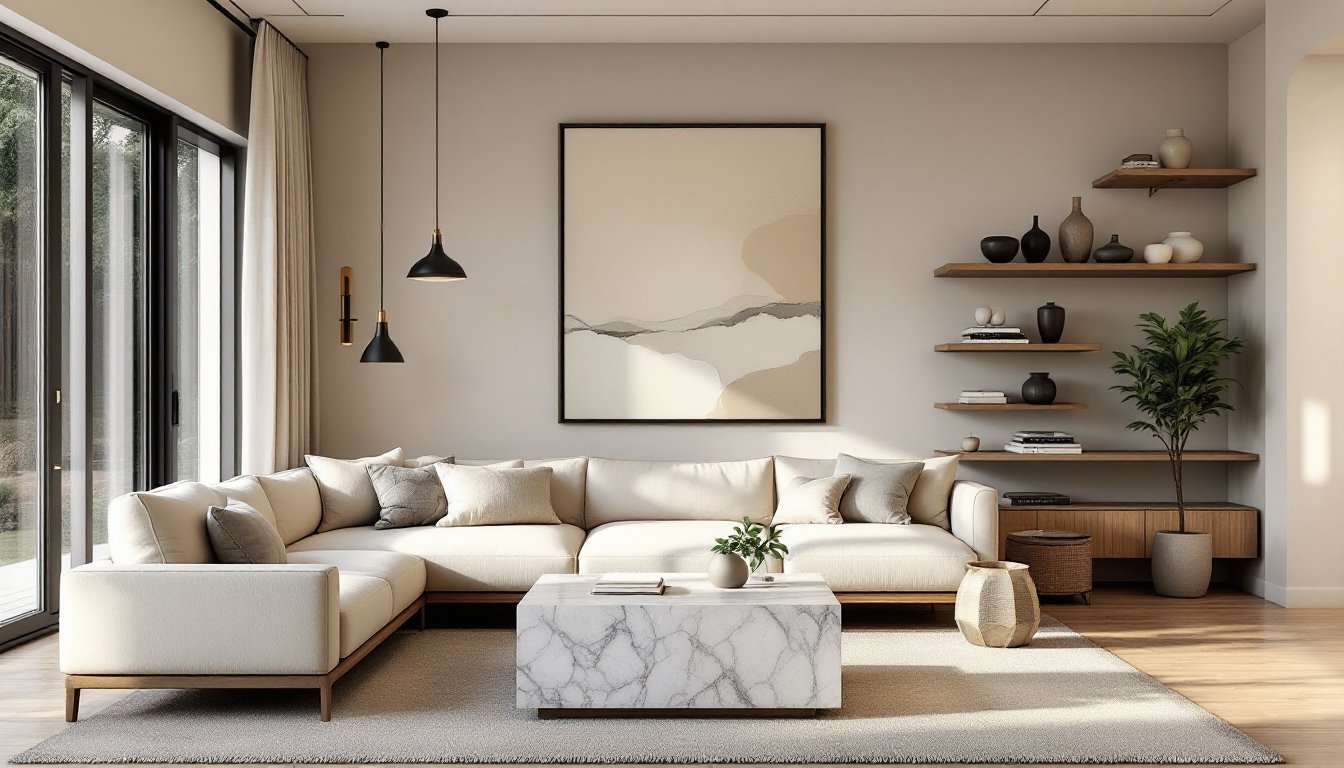
Designing a luxury house interior isn’t about buying the most expensive furniture or filling rooms with high-end brands. Instead, it’s about creating cohesive, well-balanced spaces that feel both refined and livable. A truly luxurious interior combines thoughtful planning, quality materials, and intentional design choices that work together harmoniously. Whether you’re starting from scratch or refining an existing space, understanding the core principles of luxury design will help you craft rooms that feel sophisticated, timeless, and genuinely reflective of how you want to live. This guide walks you through the key elements that elevate an ordinary home into a truly elegant sanctuary.
Key Takeaways
- Luxury house interior design prioritizes restraint, quality craftsmanship, and intentional choices over expensive price tags and brand names.
- Neutral color foundations paired with strategic accents through art, textiles, and statement furniture create timeless, curated spaces.
- Premium materials like natural stone, hardwoods, genuine textiles, and refined metal finishes elevate a luxury interior and age gracefully over time.
- Layered lighting combining ambient, task, and accent elements transforms any room from ordinary to extraordinary while offering flexibility and functionality.
- Thoughtful furniture selection based on proper scale, proportion, and strategic placement creates a cohesive, sophisticated luxury home that reflects your personal style and daily living needs.
Understanding Luxury Interior Design Principles
Luxury interior design rests on a handful of fundamental principles that distinguish high-end spaces from the rest. The first is restraint, less is almost always more in luxury design. Rather than cramming rooms with décor, curated selections create breathing room and allow each piece to shine. Negative space is not wasted space: it’s a design element that conveys confidence and intentionality.
Quality craftsmanship and attention to detail matter enormously. This means selecting furnishings with solid construction, proper joinery, and materials that age gracefully rather than deteriorate. A well-made sofa with real hardwood frames, eight-way hand-tied springs, and quality upholstery will outlast and outperform a trendy particle-board alternative by decades.
Proportionality is another cornerstone. Furniture and décor should be appropriately scaled to the room, oversized pieces in a modest space overwhelm, while undersized pieces in grand rooms look sparse and unintentional. Balance doesn’t mean matching everything: instead, it means thoughtfully distributing visual weight across the space. One statement piece, balanced by simpler supporting furnishings, creates visual interest without chaos.
Finally, luxury design embraces a cohesive narrative. Every room should feel intentional and connected to the overall aesthetic of your home. This doesn’t mean rigid uniformity: rather, consistent design language, whether through color, materials, or style, ties spaces together and elevates the entire home’s sense of polish and purpose.
Color Palettes And Materials That Define High-End Spaces
Neutral Foundations With Strategic Accents
Most luxury interiors rely on neutral color foundations because they’re timeless, calming, and provide flexibility. Warm neutrals like cream, ivory, greige, and soft taupe work beautifully for classic elegance, while cool neutrals like soft gray and greige suit modern luxury aesthetics. The key is selecting a neutral that complements your lighting and resonates with your personal taste, a “right” neutral isn’t universal.
Once your foundation is solid, strategic accents add personality without risk. Rather than painting multiple accent walls, consider introducing color through art, textiles, or statement furniture. A collection of high-quality artwork with coordinated framing becomes a focal point, or luxurious throw pillows and area rugs introduce color while remaining flexible and changeable. This approach keeps your space feeling curated rather than trendy, which is essential for longevity.
Premium Materials And Finishes
Materials are where luxury design truly reveals itself. Natural stone, marble, granite, or limestone, conveys permanence and sophistication, whether on kitchen counters, bathroom vanities, or fireplace surrounds. Hardwoods like walnut, oak, and mahogany age beautifully and command respect through their grain and warmth. Metals matter too: brass, brushed nickel, and matte black hardware and fixtures feel refined compared to shiny chrome or cheap finishes.
Textiles should be genuine: wool, linen, silk, and high-thread-count cotton convey quality far better than synthetic alternatives. A linen upholstered sofa or silk curtains develop a patina over time that adds character and depth. Emerging luxury interiors increasingly feature beautiful designs and sophisticated décor from leading publications, which showcase the lasting appeal of authentic materials over trendy shortcuts.
Furniture Selection And Space Planning
Selecting furniture for a luxury interior starts with understanding scale and proportion relative to your room dimensions. Measure your space carefully, including ceiling height, doorways, and architectural features, before purchasing anything. A sectional sofa might feel luxurious but will overwhelm a modest living room: conversely, a delicate accent chair looks lost in a grand space.
Invest in foundational pieces that will anchor your design for years: a quality sofa, dining table, bed frame, and bedroom dressing table. These items absorb a significant portion of your budget and justify the expense through longevity and daily use. Complement these anchors with secondary pieces that can be swapped or updated without derailing your overall aesthetic.
Layout matters as much as pieces themselves. Arrange furniture to encourage conversation and functionality rather than pushing everything to walls or creating traffic obstacles. Define zones within open-plan spaces using area rugs, subtle level changes, or strategic furniture placement. Floating furniture away from walls, when your room allows, creates a sense of intentionality and makes spaces feel more curated. Luxury homes often feature professional design concepts, and resources like luxury interior design ideas demonstrate how thoughtful arrangement elevates everyday living spaces.
Lighting Design For Ambiance And Functionality
Lighting transforms a space from ordinary to extraordinary, yet it’s often overlooked until rooms feel dim or harsh. Luxury interiors employ layered lighting: ambient (general overall light), task (focused work light), and accent (highlighting art or architectural features). This combination allows flexibility and prevents flat, one-note illumination.
Ambient lighting can come from ceiling fixtures, recessed lights, or wall sconces. Recessed lights installed on dimmers offer flexibility, you can brighten spaces for work or entertaining, then dim for relaxation. Avoid cheap ceiling fixtures: a well-chosen chandelier, modern pendant cluster, or minimalist flush-mount becomes a design statement in itself.
Task lighting at kitchen islands, desks, and vanities ensures you can actually see what you’re doing. Wall sconces flanking mirrors or headboards add elegance while serving practical purposes. Accent lighting, pinpoint LED spotlights on art, uplighting on architectural elements, or decorative lamps on side tables, creates depth and visual interest.
Light bulb temperature matters significantly. Warm white bulbs (2700K color temperature) suit living spaces and bedrooms, creating coziness and intimacy. Cooler whites (3000-4000K) work better for kitchens and bathrooms where visibility matters. Luxury design carefully coordinates fixture finishes, mixing brass with brushed nickel or matte black creates visual interest, but too many finishes look chaotic and budget-conscious.
Accessorizing Your Luxury Home
Accessorizing a luxury interior requires restraint and intentionality. Rather than filling every surface with tchotchkes, select fewer, more meaningful pieces. A carefully curated collection of decorative objects, sculptural pieces, books, ceramics, or collectibles, tells your story without overwhelming the space. Group items in odd numbers (three, five, or seven) and vary heights and textures for visual interest.
Art is non-negotiable in luxury design. Original paintings, high-quality prints, or sculptural pieces anchors a room and reflects your taste. Frame selections matter, quality framing in finishes that coordinate with your hardware elevates the entire presentation. Arrange art at eye level (typically 60-66 inches from floor to center) for visual balance.
Textiles introduce color, pattern, and comfort. Area rugs define spaces and add warmth, select natural fibers like wool or jute in quality finishes. Throw pillows layer textures and tones without permanent commitment. Curtains or drapes in quality fabrics frame windows beautifully and provide privacy and light control. Style and inspiration platforms like Home Bunch showcase how thoughtful accessorizing creates cohesive luxury environments.
Greenery and floral arrangements add life without clutter. A single statement plant in a beautiful planter or a carefully maintained seasonal arrangement feels curated. Fresh flowers, when used, should feel organic, not overwrought or artificially staged. This restraint exemplifies luxury thinking: choosing quality and intention over quantity and excess.
Creating Your Luxury Interior
Designing a luxury house interior is fundamentally about making intentional choices that reflect who you are while embracing timeless principles of balance, quality, and refinement. Focus on foundational elements, a strong neutral palette, premium materials, well-proportioned furniture, layered lighting, and curated accessories, and your home will naturally feel elevated and enduring. Luxury isn’t a checklist of expensive items: it’s a mindset of restraint, craftsmanship, and purposeful design that rewards you daily.