
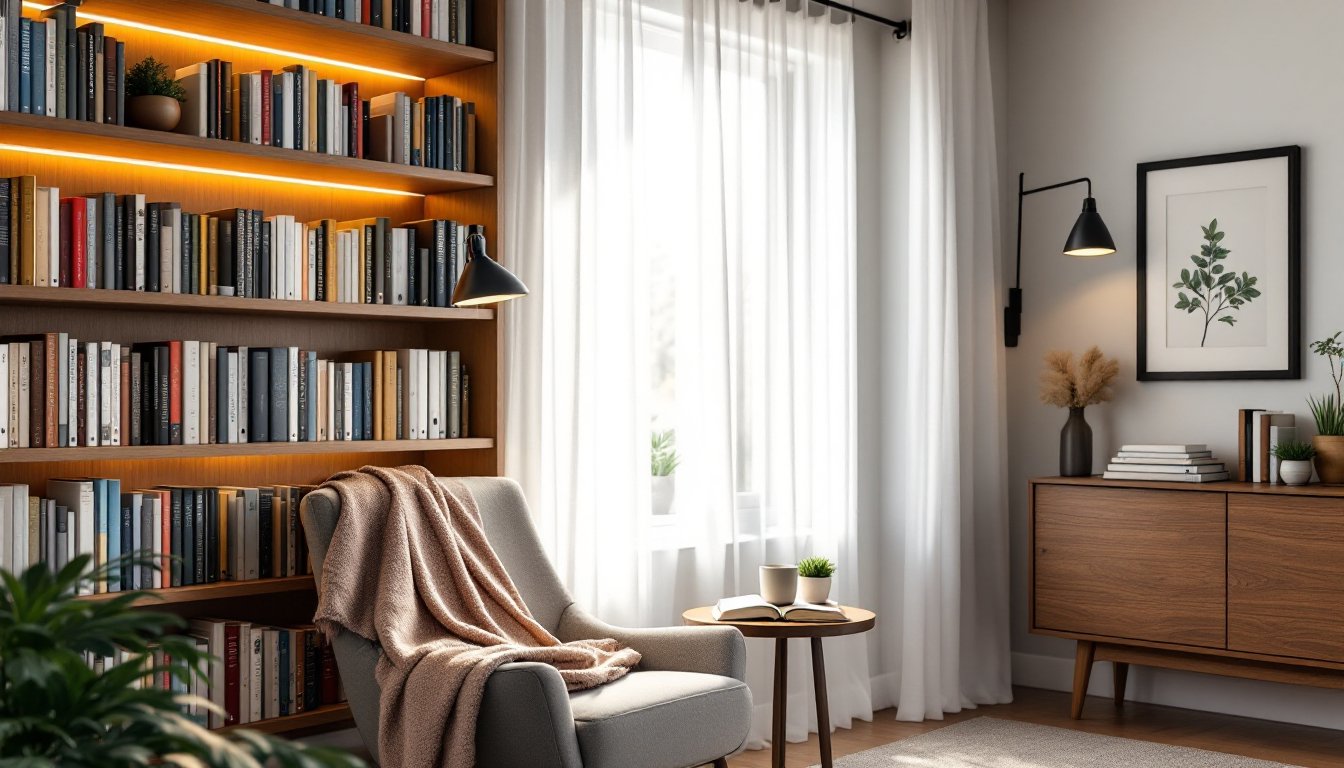
A well-designed home library doesn’t just store books, it invites people in. Whether you’re designing around a single shelf or filling an entire room, book interior design is about making your collection functional, visually appealing, and true to your home’s aesthetic. The right shelving, organization system, lighting, and display choices can turn a blank wall into a focal point that reflects who you are. This guide walks you through practical strategies to create a reading space that works as hard as it looks beautiful, from material selection to the finishing touches that tie everything together.
Key Takeaways
- Book interior design balances functionality and aesthetics by thoughtfully combining shelving, organization, lighting, and display choices to create a space that protects your collection while showcasing your personality.
- Choose shelving with adequate weight capacity (20–30 pounds per linear foot for standard options) anchored into wall studs, and aim for 10–12 inch shelf depth to accommodate most books safely.
- Arrange books using spine-out displays for a curated bookstore look, flat stacking for dimension, or mixed layouts for a personal touch, while maintaining 70–80% fullness to prevent clutter and ensure accessibility.
- Install warm LED strip lights (2700K color temperature) positioned 1–2 inches back from shelf edges and avoid direct sunlight to protect book covers and pages from fading and damage.
- Create a functional reading nook with a comfortable chair, task lighting, proper humidity control (30–50%), and sound-absorbing elements like rugs and curtains to extend your book interior design into an inviting retreat.
- Maintain your shelves monthly with microfiber dusting, check brackets biannually for looseness, and refresh displays seasonally by rotating book arrangements or updating hardware to keep your library feeling intentional and current.
Understanding Book Interior Design and Why It Matters
Book interior design goes beyond arranging volumes on a shelf. It’s about creating an intentional environment that balances aesthetics with usability. Your books deserve a home that protects them, makes them easy to find, and showcases them in a way that complements your living space.
When books are displayed thoughtfully, they become part of your interior design narrative. Well-lit, organized shelves act as wall art. They add texture, color, and personality to a room in ways that generic décor can’t match. Plus, when you know exactly where your books live and why they’re positioned that way, you actually read more from your collection.
The stakes are practical, too. Books are sensitive to humidity, direct sunlight, and poor air circulation. How you position them, spine-out, stacked flat, or a mix, affects their longevity. Shelving that bears too much weight will sag and eventually fail. Lighting that’s too bright will fade covers and pages. Thought-out book interior design prevents these problems while creating a space you want to spend time in.
Choosing the Right Shelving Solutions for Your Space
Shelving is the foundation of book interior design. Your choice depends on weight capacity, available wall space, and aesthetic preference.
Fixed Wall Shelving is the most common option. Standard ¾-inch hardwood or engineered wood shelves can hold 20–30 pounds per linear foot, depending on bracket spacing and wall fastening. Spacing brackets every 16 inches supports average book collections: heavier collections need closer bracket placement or thicker shelves. Always anchor into wall studs (typically spaced 16 inches apart) for load-bearing installations. Drywall anchors alone will fail under book weight.
Floating shelves create a clean, modern look and are easier to install if you hit studs. They handle moderate weight well but show brackets underneath unless you choose a hidden-bracket system, which costs more but delivers that seamless appearance.
Free-standing bookcases work when you can’t or won’t drill into walls. A solid 5-shelf unit in 36-inch width uses minimal floor space and rearranges easily if you move. They’re less stable than wall-mounted shelves in earthquake-prone areas, so secure them to wall studs with a safety bracket if you live in a seismic zone.
Metal shelving systems (industrial-style) handle heavier loads and suit modern or eclectic interiors. They’re bulkier visually but nearly indestructible.
Measure your wall, calculate your total book weight, and choose a shelf depth of at least 10 inches for standard hardcover books. Deeper shelves (12–14 inches) accommodate larger art books and allow you to layer volumes without losing the display effect.
Color, Organization, and Display Strategies
How you arrange books shapes the entire visual impact. There’s no single “correct” way, but understanding the options helps you choose what serves your collection and space.
Spine-out arrangement is traditional and space-efficient. It showcases titles, colors, and typography. Visually, a spine-out display reads like a bookstore shelf, organized and approachable. Group books by color (monochromatic, rainbow gradient, or warm/cool tones) for a curated gallery effect, or organize by subject, author, or series.
Flat stacking adds dimension and breaks the monotony of vertical spines. It’s ideal for oversized art books, coffee-table editions, and special volumes you want to highlight. Stack no more than 3–4 books high to prevent warping and keep them accessible. Top a stack with a small plant, sculpture, or decorative object to create visual interest and anchor the grouping.
Mixed display combines both methods. Alternate vertical and horizontal stacks, or use the upper portion of a tall shelf for spine-out volumes and the lower portion for flat stacks. This approach feels more personal and less rigid than uniform organization.
Research interior design inspiration across home styles shows that color-coordinated shelves appeal to many homeowners, but don’t sacrifice functionality for aesthetics. If finding a specific book takes longer than grabbing your phone, your system isn’t working. Keep frequently read books at eye level and arm’s reach. Reserve lower shelves for heavier reference books and higher shelves for display pieces or books you access less often.
Leave breathing room. Completely packed shelves feel cluttered and prevent you from inserting or removing books easily. Aim for 70–80% fullness, leaving gaps for visual rest and practical access.
Lighting and Accessories to Enhance Your Book Collection
Lighting transforms shelves from functional storage into display art. Poor lighting makes books harder to find and diminishes the beauty you’ve worked to create.
Warm LED strip lights (2700K color temperature, measured in Kelvin) run along shelf edges or above shelves and cast a flattering glow without generating heat that damages paper or covers. They’re energy-efficient and run cool enough to install in tight spaces. Install them 1–2 inches back from the shelf edge so light spreads across the spine and page edges, not into the viewer’s eyes.
Adjustable track lighting or picture lights work well for accent shelves that hold special collections. They let you control brightness and angle, making selected books the focal point.
Avoid direct sunlight. South-facing and west-facing windows expose book covers and pages to UV rays that fade colors and weaken bindings over time. If your shelf is near a window, use sheer curtains or position books spine-out to minimize exposure.
Accessorize intentionally. Small sculptures, decorative bookends, framed quotes, or potted succulents break up visual monotony and signal that the shelf is curated, not random. But, every accent piece should serve a purpose, either functional (a bookend) or deeply meaningful to you. Avoid overcrowding: clutter negates the calm that a well-designed library creates.
Explore modern design ideas and inspiration that showcase how lighting and accessories complement curated shelving displays. A single large plant, piece of art, or sculptural object often makes a stronger statement than many small items.
Creating a Functional and Beautiful Reading Nook
A reading nook extends book interior design beyond shelves into an inviting retreat. It doesn’t require much space, a corner, alcove, or wall can become a sanctuary for focused reading.
Comfort is non-negotiable. A quality chair, cushion, or chaise designed for sitting for 30 minutes or longer beats style every time. Lumbar support matters more than appearance. Pair furniture with a side table (at least 14 inches tall and 18–20 inches wide) for a drink, notebook, or current read.
Layer your lighting. Shelves need display light: a reading chair needs task light. A swing-arm wall lamp or adjustable floor lamp positioned to illuminate your lap without creating glare is essential. A dimmer switch lets you adjust brightness for different times of day and moods.
Temperature and air quality affect both comfort and book preservation. Keep the reading nook away from heating vents, radiators, and damp exterior walls. A small humidifier (around 30–50% humidity is ideal for paper) protects book bindings and prevents them from becoming brittle or warped.
Sound matters. If your reading nook is in an open living area, a rug, heavy curtains, or a bookshelf’s mass itself absorbs sound and creates acoustic separation from surrounding activity. This psychological boundary reinforces that the space is for quiet focus.
Add a throw blanket, a small side table for tea, and a reading lamp to complete the environment. The best reading nook is one you actually use.
Maintaining and Updating Your Book Interior Design
A well-designed library isn’t static. As your collection grows and your taste evolves, your shelves should change with you.
Regular maintenance keeps books and shelves looking sharp. Dust shelves monthly with a microfiber cloth, microfiber traps dust without scratching wood finishes or book covers. Check shelf brackets and fasteners twice a year for looseness, especially if you’ve added weight. Tighten any fasteners and reinforce shelves if you notice sagging (more than ⅛ inch dip over the shelf’s length indicates overloading or inadequate support).
Book care is simple: keep books away from direct sunlight and fluctuating moisture. Don’t store books flat unless they’re oversized: binding stress from vertical standing pressure is minimal if the shelf is level. Avoid leaning books at harsh angles, which strains spines. Use bookends to keep vertical stacks upright without crushing the outermost spine.
Refresh your display seasonally. Swap out book arrangements, rotate which volumes are visible, or introduce new accessories. You might shift from monochromatic spines to a rainbow gradient, or add a small framed print or plant to a bare corner. These micro-updates keep the space feeling fresh without major investment.
Stay open to editing. Donate or sell books that no longer resonate with you. A smaller, intentional collection displays better than shelves crammed with every book you’ve ever owned. Discover contemporary interior design approaches that celebrate minimalism and intentional living, which applies perfectly to personal libraries.
Update shelving hardware if it shows wear, scratched brackets or visible rust detract from the overall effect. Simple upgrades cost little and instantly refresh the look.
Conclusion
Book interior design is the intersection of form and function. It celebrates what you read while protecting your investment, organizes your collection for easy access, and creates a visual anchor for your home. Whether you’re installing a single floating shelf or designing a floor-to-ceiling library, the principles remain the same: choose sturdy shelving, arrange books intentionally, light them well, and maintain them thoughtfully. Your completed library becomes more than decor, it becomes a reflection of your interests and a retreat you’ll return to again and again.