
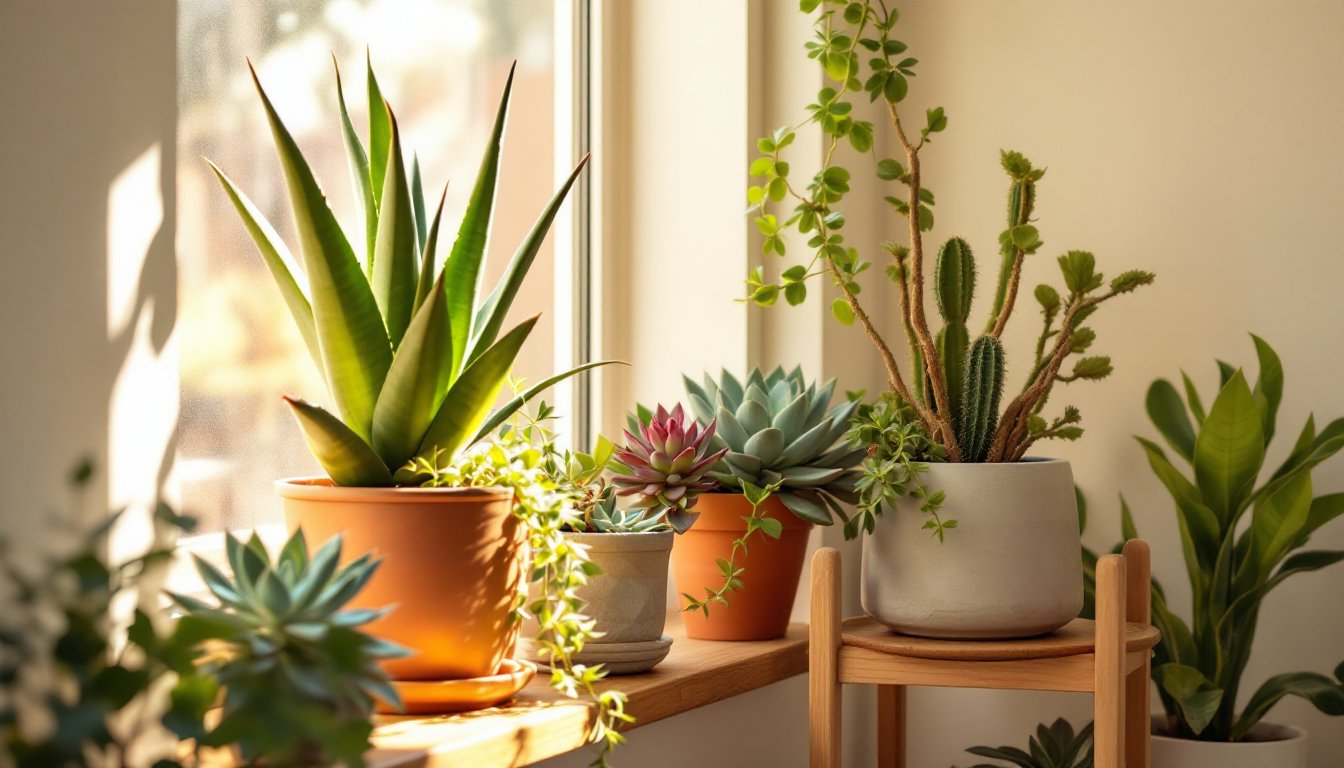
Desert plants have earned their reputation as the gold standard for low-maintenance indoor gardening. If you’ve killed every houseplant you’ve owned, don’t blame yourself, you might just need plants that actually want the treatment you’re giving them. Desert house plants thrive in dry indoor conditions, bright light, and irregular watering schedules, making them perfect for busy homeowners and beginner gardeners. They’re also genuinely beautiful: sculptural, architectural, and striking as decorative elements without the fussy upkeep. Whether you’re furnishing a sunny windowsill or adding greenery to a neglected corner, desert plants deliver results.
Key Takeaways
- Desert house plants thrive in dry indoor conditions, bright light, and irregular watering schedules, making them ideal for busy homeowners and beginner gardeners who want low-maintenance greenery.
- The most critical care mistake is overwatering—desert plants require completely dry soil between waterings and will rot if moisture is excessive, so use the finger test before watering.
- Aloe vera, jade plants, cacti, and echeveria are top desert plant choices that stay compact, live for decades, and can even be propagated from a single leaf.
- Fast-draining soil (cactus or succulent mix), pots with drainage holes, and terracotta containers are essential for preventing root rot and ensuring healthy desert plants.
- Desert plants require minimal fertilizing (once monthly during growing season only) and rarely need repotting, making them genuinely low-effort houseplants.
- Place desert plants near south- or west-facing windows for the bright, direct light they need to thrive, and showcase their architectural beauty as striking decorative focal points in your home.
Why Desert Plants Thrive Indoors
Indoor environments are essentially deserts, dry air, intense light from windows, and seasonal humidity swings mimic the conditions desert plants evolved to handle. Your centrally heated home in winter has humidity levels around 30–40%, which would stress most tropical houseplants but perfectly suits a succulent or cactus.
Desert plants have adapted to harsh conditions by developing thick, waxy leaves (a feature called cuticle) that reduce water loss. Their root systems are shallow and efficient, designed to grab moisture quickly when it rains and then wait out dry spells. This means they don’t need the constant moisture that ferns or calatheas demand, and they’ll actually rot if you overwater them.
The bright, indirect light from south- or west-facing windows that would scorch tender tropical plants? Desert plants lap it up. They’ve spent millennia in full sun and actually become leggy and weak without enough light. Indoor bright light is a gift to them. Plus, desert plants are nearly immune to common houseplant pests because their thick leaves and low moisture make them poor targets for spider mites and mealybugs.
Top Desert House Plants for Your Home
Aloe Vera and Succulents
Aloe vera is the practical choice for a sunny kitchen windowsill or bathroom shelf. It’s nearly indestructible, grows fairly quickly, and you can harvest the gel for burns or dry skin. The plant itself is compact, most mature aloe vera plants stay between 12–24 inches tall, making it ideal for tight spaces. Plant it in a pot with a drainage hole and cactus/succulent soil (not regular potting mix). Water deeply every 3 weeks during the growing season, then back off to once monthly in winter.
Other stellar succulents for indoors include jade plants, which develop thick, woody stems and can live for decades: echeveria, which forms perfect geometric rosettes and comes in dozens of color varieties: and string of pearls, a trailing succulent perfect for hanging planters. These plants are also incredibly easy to propagate, you can literally pluck off a healthy leaf, let it dry for a few days, set it on moist soil, and a new plant will form. It’s hard to fail at this.
Cacti Varieties
Cacti are the true minimalists of the plant world. A prickly pear or barrel cactus can live years in your home with only occasional watering and occasional feeding. The key is bright light, a south-facing window is ideal, and very fast-draining soil. Standard cactus mix (usually pumice, sand, and minimal peat) works perfectly, and you should water only when soil is completely dry, roughly every 3–4 weeks in summer and almost never in winter.
For smaller spaces, consider a Christmas cactus (which actually prefers slightly more moisture and some shade compared to desert cacti) or a bunny ears cactus, which is fuzzy, cute, and surprisingly forgiving. Cacti are also outstanding because they’re sculptural, they look good alone on a shelf or grouped with other drought-tolerant plants for visual impact. Unlike many houseplants, they don’t need you to fuss over them: in fact, fussing (overwatering, moving them around) is the quickest way to kill them.
Essential Care Requirements
Watering and Soil Tips
Watering is where most people wreck desert plants. The golden rule: let soil dry out completely between waterings, then water thoroughly until it drains from the bottom. In summer, this might mean watering every 2–3 weeks: in winter (when growth slows and light is lower), you might water only once a month or even less.
Use the finger test, push your finger 1–2 inches into the soil. If it’s bone dry, water. If there’s any hint of moisture, wait a few more days. Overwatering causes root rot, which is almost always fatal because by the time you notice the problem, the damage is done. Invest in fast-draining soil specifically formulated for succulents and cacti. Standard potting mix holds too much moisture. Most quality cactus/succulent mixes contain perlite, coarse sand, or pumice, which improve drainage dramatically.
Pots must have drainage holes, non-negotiable. A pot that’s roughly 1 inch wider than the plant’s root ball is ideal. Too large a pot holds excess soil moisture. Terracotta pots are especially good for desert plants because they’re porous and allow soil to dry faster than plastic or glazed ceramic.
Fertilizing is minimal. During the growing season (spring and summer), feed once monthly with a balanced, diluted fertilizer (half strength works fine). Skip feeding entirely in fall and winter. Desert plants expect lean conditions: overfertilizing makes them soft and more prone to pest problems. Repot only every 2–3 years or when the plant becomes severely root-bound, usually in early spring before active growth begins.
Styling Desert Plants in Your Space
Desert plants are naturally sculptural, so styling them is about letting their form shine. A single mature aloe vera or tall cactus makes a strong statement on a bookshelf or in a corner of the room. Group succulents in varying heights and colors on a sunny windowsill for visual interest without clutter, think 3–5 plants rather than a crowded mass.
Consider your pot choices carefully. Terracotta has a natural, warm aesthetic that complements both modern and rustic décor. Concrete or slate-colored pots give a contemporary feel. Bright ceramic or glazed pots work if your décor leans bohemian or eclectic. Whatever you choose, make sure it’s functional (drainage hole essential) before worrying about style.
Bright, direct light is non-negotiable for these plants, so placement near south- or west-facing windows isn’t just good care, it’s the foundation of your design. A sunny corner or window ledge becomes a focal point when filled with well-lit desert plants. You can also create a tiered plant stand to maximize vertical space and create depth. Resources like Gardenista offer creative garden design inspiration that translates beautifully to indoor desert plant arrangements. Avoid dark corners or spaces far from windows: plants will weaken and your design investment will disappoint. If you’re working with lower light, group plants in rotating schedules, moving them to bright spots periodically to recharge.