
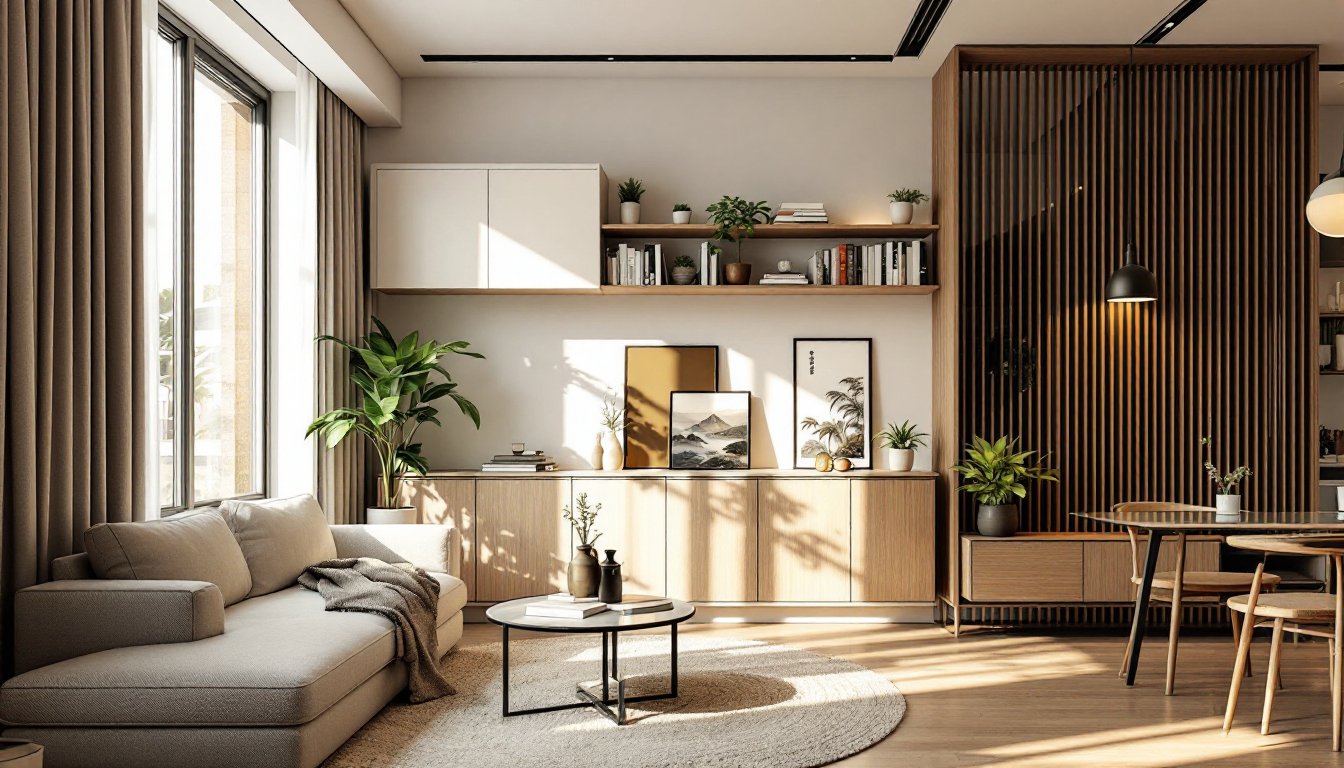
Singapore’s compact apartments and condominiums demand smarter design choices than most homeowners realize. Whether you’re renting a shoebox HDB flat or own a landed property, the principles of interior design in Singapore are unique, blending tropical climate considerations, cultural influences, and practical space constraints. This guide walks you through understanding Singapore’s signature design style, current trends, how to work with professionals, and practical DIY strategies to transform your home without hiring an expensive interior designer.
Key Takeaways
- Best interior design Singapore balances functional beauty with space constraints by prioritizing multipurpose furniture, vertical storage, and minimalist aesthetics suited to tropical climates.
- Vertical storage solutions like floor-to-ceiling shelving, floating desks, and lofted sleeping areas are non-negotiable for maximizing compact HDB flats and condominiums.
- Paint and strategic lighting are budget-friendly design interventions that deliver outsized impact, especially when choosing humidity-resistant paints and warm 3000K LED bulbs.
- Hiring a professional interior designer makes sense for structural changes and full renovations, but first clarify your needs, review portfolios of similar-sized spaces, and confirm licensing for load-bearing wall projects.
- Pre-loved furniture from platforms like Carousell and thrift shops combined with DIY updates like reupholstering and greenery deliver stylish interiors at 30–60% savings without professional help.
Understanding Singapore’s Interior Design Style
Singapore’s interior design language reflects its multicultural heritage, tropical climate, and space-conscious urban living. The aesthetic typically combines clean lines, minimal clutter, and materials that resist humidity and heat, think light woods, cool tiles, and breathable fabrics rather than heavy drapes or velvet furniture.
Locals favor a mix of contemporary minimalism with subtle cultural touches: a Chinese landscape painting above a sleek credenza, or Peranakan tiles as an accent wall. The result is neither cold nor overly ornate. Colors often lean toward neutral bases, whites, grays, warm beiges, with pops of color through accessories and plants.
One defining principle is functional beauty. Every piece must earn its place. Built-in storage hides clutter: multipurpose furniture (storage ottomans, lift-top coffee tables) solves the eternal space problem. Singaporean design respects the limited square footage and works with it, not against it.
Top Interior Design Trends for Singapore Homes
Space-Saving Solutions for Compact Living
Compact living remains Singapore’s reality. Modern design addresses this with clever layouts rather than trendy wallpaper.
Vertical storage is non-negotiable: floor-to-ceiling shelving, wall-mounted desks, and lofted sleeping areas maximize unused vertical space. Floating shelves and wall-hung cabinets create visual lightness while storing everyday items. Many homeowners install custom built-in shelving along bedroom walls or living room corners, a project that requires basic carpentry skills and a level, but transforms a cramped space into an organized haven.
Multipurpose zones blend living, dining, and working areas without physical walls. A dining table doubles as a workspace: a sofa faces both the TV and a reading nook. Japanese-inspired room dividers (shoji screens or slatted timber screens) define spaces while maintaining visual flow and air circulation, critical in Singapore’s humidity.
Light, reflective surfaces amplify natural light in small rooms. Polished concrete, light oak flooring, and white or pale gray walls bounce daylight around the space. Mirrors strategically placed opposite windows multiply the effect. Glass furniture legs and transparent chair backs reduce visual weight in tight living areas.
Trends like sustainable materials also gain traction. Reclaimed timber, bamboo, and rattan furniture align with Singapore’s 2030 sustainability push. These materials age beautifully in tropical conditions and reduce off-gassing in humid climates, a practical plus.
How to Choose the Right Interior Designer in Singapore
If your project is complex, structural changes, full-home renovation, or commercial fit-out, hiring a professional makes sense. Singapore has two main paths: interior designers (who focus on aesthetics and spatial planning) and interior architects (who handle structural changes and building approvals).
Start by clarifying your needs. Are you redesigning a single room or your whole home? Do you need help with spatial planning, color consultation, or full project management? Budget and timeline matter enormously. A consultation fee (typically SGD 500–2,000 depending on scope) upfront helps assess compatibility before committing.
Review portfolios carefully. Look for work in similar-sized homes or commercial spaces, a designer who excels in sprawling Bukit Timah mansions may struggle with an urban 4-room flat. Ask for references and speak directly with past clients about communication, timeline adherence, and whether the final result matched expectations.
Projects involving structural changes, load-bearing walls, or utilities require licensed professionals. Never skip this for a cleaner aesthetic. Permits exist to ensure safety: cutting corners can void insurance and create liability. Most interior design firms manage these requirements, but confirm upfront.
DIY Interior Design Tips for Your Singapore Home
You don’t need a designer to improve your home’s look and function. Start with the fundamentals that require no construction: decluttering, paint, and strategic furniture placement.
Paint is magic. A fresh coat of neutral paint, soft greens, warm whites, or pale grays, transforms rooms instantly. Choose quality paint rated for humid climates to prevent peeling and mold. Prep work matters: clean walls, fill holes, sand gloss surfaces, and prime. Poor prep work leads to peeling paint within months in Singapore’s heat and humidity.
Lighting changes everything. Swap harsh fluorescent bulbs for warm 3000K LED panels that mimic daylight without heat. Add task lighting (desk lamps, under-cabinet strips) and ambient lighting (wall sconces, pendant lights). Strategic lighting makes small rooms feel larger and more inviting.
Furniture arrangement should follow your home’s natural flow. In open-plan layouts, define zones using area rugs and furniture groupings. A rug anchors a living area: a different rug marks the dining space. Avoid pushing all furniture to walls, it creates a cave-like, awkward feel. Float your sofa away from the wall with a console table behind it: pair it with a coffee table and side tables at appropriate heights.
Storage hacks are essential. Wall-mounted shelves, drawer dividers, and under-bed storage containers manage clutter without major renovations. Vertical filing systems hide documents. Hooks behind doors maximize forgotten space. These tweaks cost little and yield outsized impact.
Budget-Friendly Design Ideas Without Compromising Style
Beautiful interiors don’t require a massive budget, they require priorities and smart sourcing.
Shop pre-loved furniture. Facebook Marketplace, Carousell, and thrift shops like The Salvation Army and Salvation Army Home Office offer quality pieces at 30–60% off retail. A solid wood credenza or vintage lounge chair, even if refinished, grounds a room better than cheap new furniture. When evaluating pieces, check structural integrity: solid wood frames, tight joints, and no water damage.
Paint and fabric updates offer the highest ROI. Reupholstering a tired sofa costs less than replacing it and lets you control color and texture. Cushion covers (from IKEA or local fabric shops) change the personality of seating instantly. A fresh paint color on a nightstand or bookcase lifts an entire bedroom.
DIY accent walls and artwork. If you’re confident with paint, accent walls using techniques like color-blocking or geometric tape designs add personality without wallpaper expense. Print digital artwork on canvas or frame meaningful photos for gallery walls. Online sources like design inspiration resources showcase budget-friendly styling tricks.
Greenery is affordable and transformative. Potted plants (even low-light varieties like pothos and snake plants) soften hard edges, improve air quality, and cost SGD 15–50 per plant. Group them in odd numbers on shelves or windowsills for design-forward appeal. Many DIY enthusiasts propagate cuttings from friends’ plants, essentially free decor.
Focus spending on items you touch daily: a comfortable mattress, a quality sofa, good lighting. Scrimp on decorative items that can evolve as your taste refines.
Conclusion
Interior design in Singapore succeeds when it honors space constraints, tropical climate realities, and the homeowner’s lifestyle. Whether you hire a professional for a major renovation or tackle smaller improvements yourself, the goal remains the same: create a home that’s functional, beautiful, and distinctly yours. Start with one room, apply these principles, and build from there. Your space will transform, and you’ll learn invaluable skills along the way.