
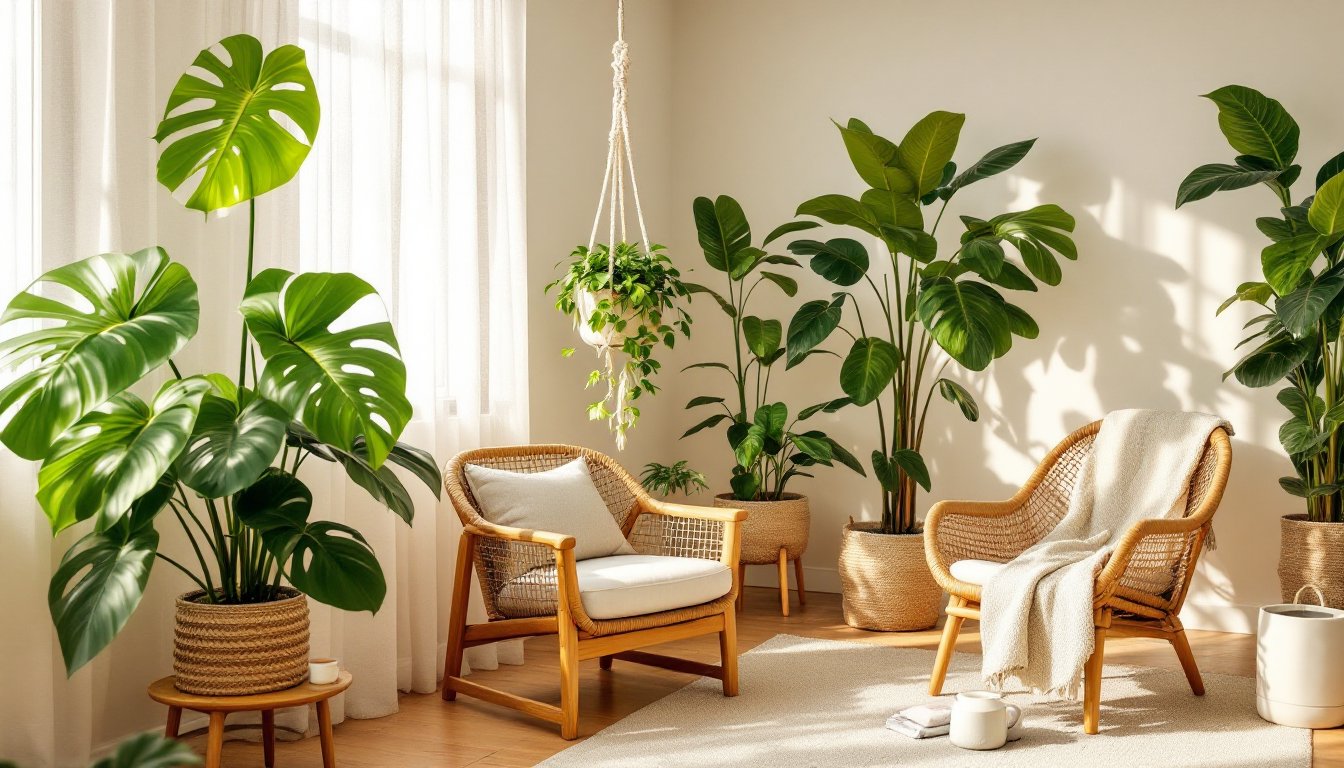
Adding Costa Farms house plants to your home is one of the easiest ways to improve your interior space while boosting air quality and mood. Whether you’re a seasoned plant parent or picking up your first green companion, Costa Farms offers a reliable selection of indoor plants bred for durability and beginner-friendliness. These plants come pre-acclimated to indoor conditions and arrive healthy, making them ideal for anyone tired of watching store-bought plants wilt within weeks. In this guide, we’ll walk through why Costa Farms plants stand out, which varieties work best for different spaces, and the straightforward care routines that keep them thriving year-round.
Key Takeaways
- Costa Farms house plants arrive pre-acclimated to indoor living, already potted with quality soil, eliminating the stress of immediate repotting for new plant owners.
- Monstera and Pothos are ideal starter plants that tolerate low to moderate light and irregular watering, making them perfect for beginners and low-light spaces.
- Overwatering is the leading cause of indoor plant failure—check soil moisture with your finger before watering and allow the top inch to dry between waterings.
- Proper lighting is crucial for plant success; match your plant variety to your home’s natural light conditions (north-facing for low-light plants, south-facing for bright-light varieties).
- Costa Farms plant collections thrive with basic seasonal adjustments, reduced watering in winter, and consistent temperatures between 65–75°F away from drafts and heating vents.
Why Costa Farms Plants Are a Smart Choice for Your Home
Costa Farms has built its reputation on shipping healthy, mature plants direct to homeowners. Unlike big-box retailers where plants sit under fluorescent lights in climate-controlled warehouses, Costa Farms grows their stock in Florida’s subtropical climate and ships them within days of harvest. This means you’re getting plants that are already adapted to indoor living conditions, not specimens that need a recovery period.
Another practical advantage: Costa Farms plants arrive in appropriate-sized containers with quality potting soil already in place. You don’t need to repot immediately, which eliminates one of the biggest stress points for new plant owners. The company also grades its plants honestly, you know what you’re getting before it arrives. If a plant has a minor leaf blemish, they’ll tell you upfront rather than padding the price with “premium” marketing.
Cost-wise, Costa Farms falls in the mid-range of online plant retailers. Prices are competitive with local nurseries for comparable size and health, but you’re also paying for shipping and guaranteed live arrival. Factor in a replacement guarantee on dead-on-arrival plants, and the value proposition becomes clearer than buying a discount plant at a box store that may not survive the car ride home.
Popular Costa Farms House Plant Varieties to Start With
Costa Farms carries dozens of species, but certain varieties have proven track records with first-time plant owners. Before selecting any plant, consider your available light, this single factor determines more than half your success rate. Dark corners, north-facing windows, and offices with only overhead fluorescent light all have different plant candidates.
Monstera and Pothos: Low-Maintenance Classics
Monstera deliciosa and golden pothos are the workhorses of beginner plant collections. Both tolerate low to moderate light and irregular watering better than almost any other houseplant. Monstera develops those iconic split leaves as it matures, making it a visually rewarding investment. You’ll see new growth within weeks under decent conditions. Pothos (also called devil’s ivy) is nearly indestructible, it grows trailing vines that work equally well on shelves, in hanging baskets, or trained up a moss pole. According to resources like The Spruce, these vining plants purify air by absorbing formaldehyde and other volatile compounds, a nice bonus beyond aesthetics.
Both plants prefer indirect light but adapt to lower conditions. Water when the top inch of soil feels dry, roughly once weekly during growing season, less in winter. They’re also among the cheapest Costa Farms offerings, making them ideal first plants or additions to fill awkward corners.
Snake Plants and Rubber Trees: Statement Pieces
Snake plants (Sansevieria) and rubber trees (Ficus elastica) make stronger visual statements while still remaining forgiving. Snake plants tolerate neglect that would kill most houseplants. They prefer drier soil, infrequent watering (every 2–3 weeks), and can survive weeks without attention. This makes them perfect for travelers or anyone who forgets to water. Rubber trees grow taller and wider, functioning as living room anchors or focal points. They prefer bright indirect light and consistent (not soggy) moisture.
One note: rubber tree leaves are poisonous to pets and children. If this is a concern in your home, stick with pethos or monstera instead. Both snake plants and rubber trees benefit from occasional leaf wiping with a soft damp cloth, this removes dust and lets them “breathe” more efficiently. Costa Farms typically ships these at sizes that make an immediate impact without requiring years of growth before they look intentional in your space.
Essential Care Tips for Costa Farms Indoor Plants
Costa Farms plants come with basic care instructions, but a few universal principles prevent the majority of indoor plant problems. Most indoor plant deaths trace back to overwatering, cold drafts, or light mismatch, not mysterious nutrient deficiencies or rare pests.
Watering, Light, and Humidity Requirements
Watering is the most common mistake. Stick your index finger into the soil to the second knuckle. If it feels moist, wait another few days. Most tropical houseplants prefer to dry out slightly between waterings rather than stay perpetually damp. Use room-temperature water, cold water can shock roots. In winter, growth slows, so plants need less water overall. A practical schedule: water deeply until it drains from the bottom, then wait until the top inch dries before watering again.
Light is the second priority. North-facing windows provide gentle, consistent indirect light, ideal for pothos, snake plants, and other low-light tolerant varieties. East or west-facing windows work for monstera and rubber trees as long as harsh afternoon sun doesn’t scorch leaves. South-facing windows offer the brightest light but can burn foliage if plants are placed directly in the window. Move plants back a few feet if leaf edges begin browning or bleaching. If your home lacks adequate natural light, a basic full-spectrum LED grow light (20–50 watts) positioned 6–12 inches above plants extends their growing season and prevents the stretching and pale growth that occurs under low light.
Humidity matters more for tropical species like monstera and rubber trees. Most homes provide 30–40% relative humidity in winter, while tropical plants prefer 50–60%. Misting leaves with a spray bottle helps but isn’t a complete solution. A more effective approach: group plants together so they create a microclimate, or set pots on a tray filled with pebbles and water (keep the pot above water level so roots don’t rot). Standard household humidity works fine for pothos and snake plants, making them even more beginner-friendly.
Temperature consistency matters more than most people realize. Keep plants away from heating vents, cold drafts from windows, and swinging doors. A stable 65–75°F range suits most indoor varieties. Sudden temperature swings stress plants and slow growth. Fertilize during the growing season (spring and summer) with a balanced, diluted liquid fertilizer, something like a 10-10-10 NPK (nitrogen-phosphorus-potassium) formula mixed to half strength every two weeks. Stop fertilizing in fall and winter when growth naturally slows.
Creating the Perfect Indoor Environment for Your Plants
Beyond basic care, your home’s physical setup determines whether plants merely survive or genuinely thrive. Think of plant placement like choosing furniture, location affects both function and longevity.
Container and drainage form the foundation. Costa Farms ships plants in containers with drainage holes, which is essential. Never move a plant directly into a decorative pot without drainage. Instead, keep the grow pot inside a larger cachepot (a decorative container without drainage), making it easy to water and remove plants if needed. This setup prevents water from pooling and rotting roots, the quickest way to kill an indoor plant.
Air circulation matters more than people realize. Stagnant air invites fungal problems and pest infestations. Crack a window slightly on mild days, or use a small fan set to low speed several feet away from plants. This isn’t about creating a wind tunnel, just gentle air movement that mimics outdoor breezes.
Pesticides and household cleaners affect plants. Never spray insecticides or harsh cleaners near plants without checking compatibility. If spider mites, mealybugs, or scale insects appear (watch for sticky residue, webbing, or tiny bumps on stems), isolate the plant immediately and treat with insecticidal soap or neem oil according to label directions. Most pest issues come from stressed plants, so returning to proper watering and light usually prevents recurrence. Resources like Hunker offer detailed troubleshooting guides if problems persist.
Repotting happens when plants become root-bound, roots circle the soil surface or poke from drainage holes. In spring, move plants up just one pot size (from 6-inch to 8-inch, for example) using fresh potting mix. Root-bound plants actually flower better initially but stagnate if left too long. After repotting, wait a week before fertilizing so fresh soil nutrients have time to integrate.
Seasonal adjustments extend plant life. Most Costa Farms varieties grow actively spring through summer, then enter dormancy in fall and winter. Reduce watering frequency, stop fertilizing, and accept slower growth. This isn’t a sign of failure, it’s normal. Come spring, increase watering and restart fertilizing as new growth emerges. A tropical plant like Norfolk Island Pine from Costa Farms requires consistent moisture and humidity year-round, so research your specific plants before assuming they all follow the same seasonal pattern.
Getting Started with Your Costa Farms Plant Collection
Starting a plant collection doesn’t require special skills or expensive equipment. Costa Farms removes the guesswork by delivering healthy plants to your door, pre-sized for homes and offices. Pick one or two varieties that match your light conditions, commit to the simple watering routine, and observe how quickly green corners transform your living space. Most plants reward basic attention with weeks of new growth, visible progress that makes the hobby genuinely engaging. Begin small, learn what works in your specific home, then expand confidently.