
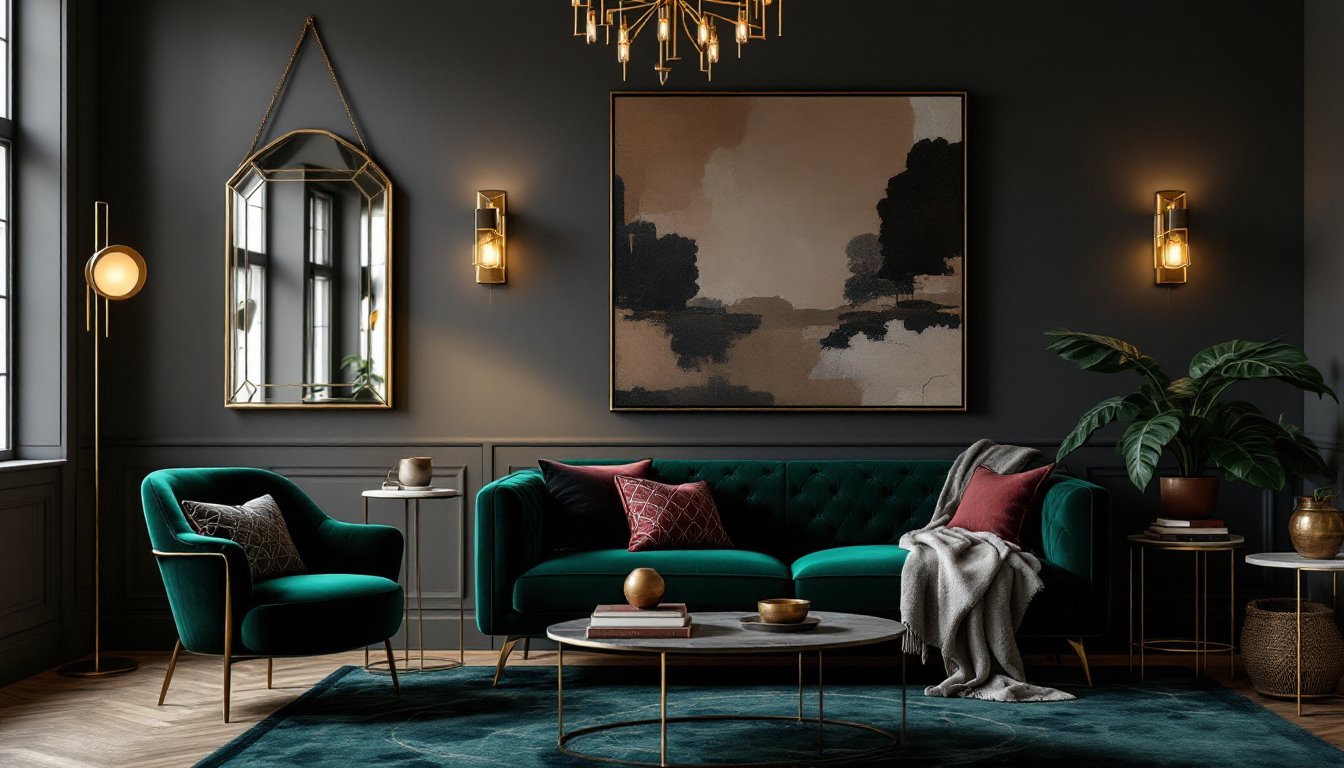
Glamorous interior design isn’t just about luxury, it’s about intention, layering, and a willingness to embrace richness in your home. Whether you’re eyeing a complete room overhaul or refining what you already have, understanding the core principles of glam design helps you avoid costly mistakes and build a space that actually reflects your personality. This isn’t Pinterest perfection that falls apart after six months: it’s a practical framework for selecting colors, lighting, furniture, and accessories that work together. In 2026, glam design has evolved beyond gold-everything maximalism into something more thoughtful: balanced, refined, and deeply personal. Let’s walk through the five essential techniques that transform an ordinary room into a genuinely glamorous space.
Key Takeaways
- Glam interior design balances intention and restraint by layering rich jewel tones, metallics, and high-quality materials while avoiding chaotic clutter.
- A 60-30-10 color ratio paired with sophisticated finishes—warm metallics, velvet, marble, and mirrors—creates the foundation for modern glam spaces.
- Statement lighting fixtures like chandeliers and sculptural sconces are non-negotiable in glam design and should anchor your room’s aesthetic.
- Invest in key furniture pieces with presence, such as tufted sofas or marble-topped tables with metallic legs, that feel intentional and well-proportioned to your space.
- Curate accessories strategically with three to five anchor pieces (oversized art, ornate mirrors, sculptural objects) and repeat colors and textures rather than filling every surface.
Understanding Glam Interior Design: What Defines Modern Luxury Decor
Glam interior design sits at the intersection of elegance and boldness. It’s not minimalism, and it’s not fussy clutter, it’s intentional layering of textures, finishes, and statement pieces that feel cohesive rather than chaotic.
At its core, glam design embraces several defining characteristics. First, it uses rich, jewel-toned color palettes alongside metallics or lighter neutrals as anchors. Second, it celebrates high-quality materials and finishes, think velvet, marble, brass, and mirrors. Third, it incorporates scale and drama: oversized art, statement lighting, and furniture with presence. Finally, it balances these bold elements with restraint in composition, avoiding a “everything everywhere all at once” feeling.
The key difference between glam and other luxury styles is intention. A glam room doesn’t happen by accident: every metallic, every texture, every focal point serves the overall vision. You’re not decorating to impress strangers, you’re building a space that energizes and comforts you daily. That philosophy keeps glam design from sliding into sterile opulence.
When browsing interior design inspiration, you’ll notice glam spaces often feature museums-quality lighting, sculptural furniture pieces, and carefully curated collections rather than randomness. The 1990s saw glam make a major comeback in residential design, opulence mixed with modern sensibility, and that influence continues today.
Color Palettes and Finishes: Creating a Sophisticated Foundation
Your color palette is the backbone of glam design. Instead of safe beiges, think deep emerald, sapphire, charcoal, burgundy, or even black paired with warm metallics. These colors feel rich without overwhelming a space, especially when you use a 60-30-10 ratio: 60% dominant color (often a neutral or jewel tone on walls or large furniture), 30% secondary color (a complementary jewel tone or metallic), and 10% accent color (bright metallics, gold, or brass).
Neutrals in glam design aren’t boring. Warm grays, soft blacks, creams, and even dusty taupes become sophisticated backdrops when paired with high-shine finishes. Paint finish matters too, flat or matte finishes on walls provide richness, while satin or semi-gloss on trim adds subtle dimension.
Metallic Accents and High-Shine Materials
Metallics aren’t just accents in glam spaces, they’re structural elements. Brass, gold, rose gold, and aged silver appear in lighting fixtures, mirror frames, hardware, side tables, and artwork edges. The rule: mix metallics intentionally rather than matching them uniformly. A brass floor lamp paired with chrome shelving and rose-gold wall sconces creates visual interest without chaos.
High-shine materials amplify light and create that coveted glam sparkle. Marble (real or high-quality porcelain), mirror, lacquered surfaces, and polished metal finishes all contribute. A marble accent table, mirrored console, or lacquered dresser reflects light and adds depth. Velvet, whether in jewel tones or neutral grays, offers a lush, touchable contrast to shiny surfaces, preventing the space from feeling cold or sterile.
When selecting finishes, remember that different rooms tolerate different glossiness levels. A bedroom benefits from slightly softer finishes to feel restful, while living rooms and entryways can embrace more dramatic shine.
Lighting as a Design Statement: Elevating Ambiance with Fixtures
Lighting makes or breaks glam design. While task lighting and ambient layers matter functionally, glam design demands that fixtures themselves are statement pieces.
Look for chandeliers, pendant lights, and wall sconces with sculptural elements, crystal, brass, geometric shapes, or oversized proportions. A dramatic chandelier in an entryway, dining room, or bedroom sets the tone immediately. Pendant lights with metallic shades or interesting geometry work well over kitchen islands or in clusters. Wall sconces flanking a mirror or headboard add sophistication and functional task lighting.
Dimmer switches are essential in glam spaces. They allow you to adjust ambiance from energizing (full brightness for entertaining) to intimate (30–40% for evening relaxation). Layer your lighting with multiple fixtures on separate switches or smart bulbs to shift mood throughout the day.
Brass, gold, and chrome fixtures dominate glam design, but don’t overlook blackened brass or aged finishes, they add richness without the shine-everywhere fatigue. Consider the scale of your space: oversized fixtures in spacious rooms feel balanced: in smaller rooms, multiple medium-sized fixtures work better than one overwhelming statement piece. Many luxury lighting fixtures can be sourced through high-end home retailers or specialty lighting showrooms that offer design consultation.
Furniture and Upholstery: Selecting Pieces That Exude Elegance
Furniture selection separates thoughtful glam from trendy clutter. Invest in larger statement pieces, a tufted sofa, a sculptural accent chair, a marble-topped dining table, or a mirrored dresser, that anchor the room visually and functionally. These pieces don’t have to be expensive, but they should feel intentional and well-proportioned to your space.
Legs matter in glam design. Mid-century modern furniture with tapered, angled, or splayed legs feels lighter and more glamorous than blocky frames. Metal legs in brass, gold, or chrome amplify that luxury feel. Upholstered pieces with nailhead trim, button tufting, or interesting detailing add texture without bulk.
Luxe Textiles and Statement Seating
Upholstery fabrics are where many DIYers make affordable choices without sacrificing look. Velvet is the glam standard, it photographs beautifully, feels luxurious, and comes in every color imaginable. But, velvet requires care (it shows dust and can stain easily), so consider your lifestyle before committing. High-quality performance velvet resists stains and wear while maintaining that plush feel.
Alternatively, linen blends, high-thread-count cotton, and structured jacquard fabrics offer durability with elegance. The key is texture: smooth, boring fabrics don’t read as glamorous, even if they’re expensive. Look for weaves, subtle patterns, or nubs that catch light and add visual interest.
Statement seating, a low-slung lounge chair, a wingback accent chair, or a bench with interesting legs, functions as furniture and art. Pair jewel-tone velvet upholstery with metallic legs and you’ve created a focal point. Layering textures in seating prevents everything from feeling matchy-matchy: pair a smooth velvet sofa with a textured linen chair and a sculptural metal frame side table.
Accessorizing Your Glam Space: The Power of Details
Accessories are where glam design becomes personal and where many people stumble. The instinct is to fill every surface with pretty things, but restraint is what elevates a space from “cluttered” to “curated.”
Start by selecting three to five anchor accessories: a large-scale mirror with an ornate frame, an oversized piece of wall art (abstract, botanical, or photography), a sculptural object (ceramic, brass, or stone), and a few decorator books stacked on the coffee table. These pieces define your aesthetic. Fill remaining surfaces with intentional repeats of texture and color rather than random decoration.
Mirrors are glam design’s secret weapon. Large mirrors with gold, brass, or ornate frames reflect light, expand perceived space, and add visual drama. Lean them against walls, hang them above consoles, or create a gallery wall with mixed frame finishes.
Art and wall decor should feel deliberate. A single large canvas or a curated gallery wall (3-5 pieces in similar frames or mixed styles) works better than scattered prints. Abstract art, botanical illustrations, or even oversized metallic letters or numbers can anchor a wall without overwhelming it.
Textiles like throw pillows, blankets, and area rugs tie textures together. Mix solid jewel tones with subtle patterns, and layer different fabric types: a silk pillow beside a velvet one beside a faux-fur accent. An area rug in marble, geometric, or rich colorways grounds seating areas.
Final touch: plants. Greenery softens glam’s sometimes cool edges and adds life. Large-leaf plants like fiddle figs or monstera in brass or ceramic planters feel intentional rather than like an afterthought. Display them on plant stands or in corners as living room accents.
The goal with accessories is to avoid decision paralysis. Choose your three anchor pieces, repeat those colors and textures in smaller items, and leave some negative space. A slightly under-accessorized glam room beats an over-stuffed one every time.