
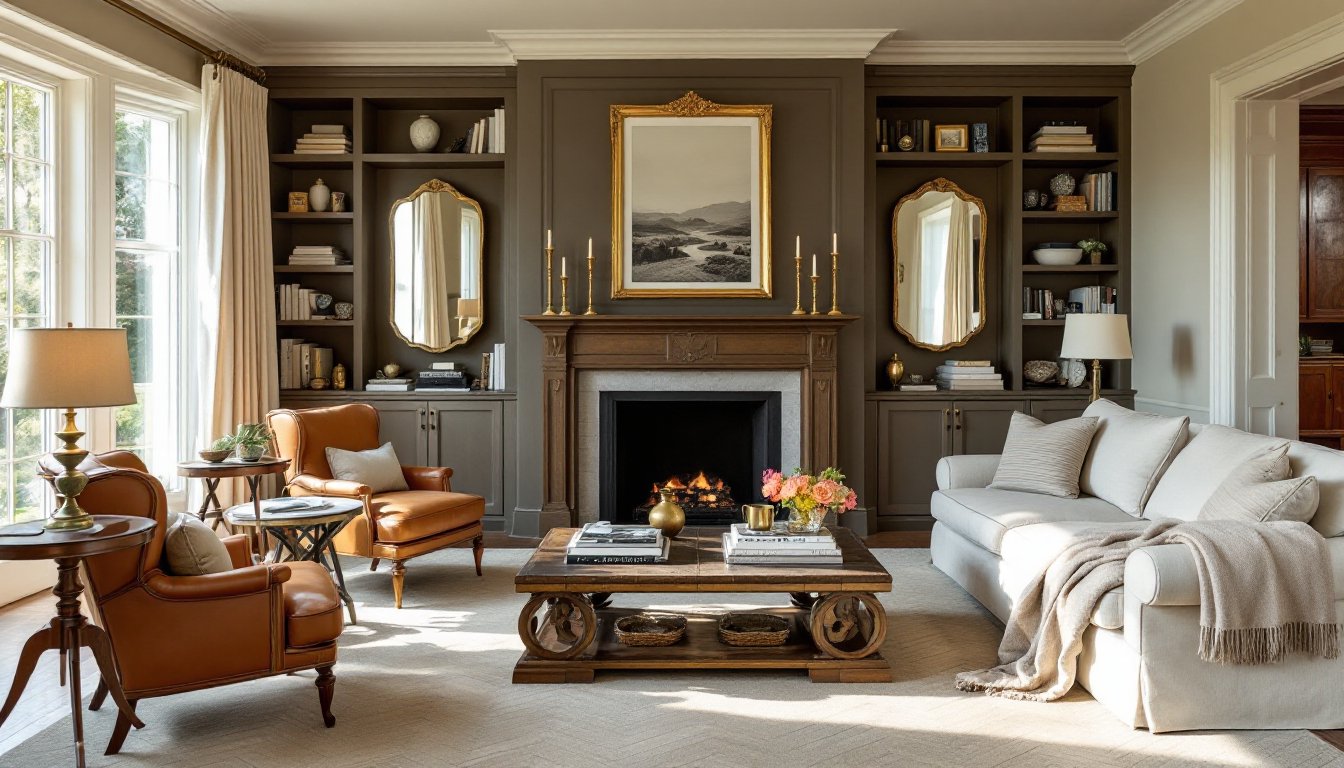
Ralph Lauren Home has long set the standard for refined, classic interior design that feels both aspirational and livable. Unlike fleeting trends that demand constant updates, Ralph Lauren’s aesthetic emphasizes timeless pieces, quality materials, and a harmonious blend of old and new. Creating a living room rooted in Ralph Lauren’s design philosophy doesn’t require a designer’s budget or a showroom overhaul, it’s about understanding the principles that make his interiors work and applying them thoughtfully to your own space. Whether you’re starting fresh or refining what you already have, this guide walks you through color choices, furniture arrangement, textiles, and finishing touches that capture that distinctive Ralph Lauren living room feel.
Key Takeaways
- Ralph Lauren home decor prioritizes timeless, curated pieces over trendy designs, emphasizing quality materials and restraint paired with richness for spaces that reward closer inspection.
- Choose warm, muted neutrals like cream, ivory, and taupe as your foundation, accented sparingly with heritage-inspired hues like cognac, forest green, and burgundy for sophisticated living rooms.
- Invest in classic furniture silhouettes—rolled-arm sofas, wingback chairs, and leather club chairs—that combine enduring visual appeal with the patina that develops through years of intentional use.
- Layer textiles strategically by mixing patterns (checks, florals, geometrics) in restrained color palettes and adding throws, linen curtains, and subtle table coverings for abundant but never cluttered spaces.
- Curate accessories with intention using the “one perfect thing” principle—select meaningful pieces like framed travel photographs, leather-bound books, and sculptural objects rather than filling surfaces with excess decorative items.
Understanding The Ralph Lauren Home Aesthetic
Ralph Lauren Home design centers on refined elegance rooted in heritage, travel, and quality craftsmanship. The philosophy rejects both overwrought ornamentation and cold minimalism, instead favoring pieces that look like they’ve been collected over time, each with a story. Think stately library meets comfortable family space: leather-bound books share shelves with framed travel photographs, English antique furniture pairs with contemporary comfort pieces, and neutral backdrops allow curated accessories to shine.
What sets the Ralph Lauren approach apart is its restraint paired with richness. Every object has intentionality. A room doesn’t feel busy or cluttered: it feels curated. This works because of thoughtful negative space, careful color editing, and a clear hierarchy of visual importance. The goal isn’t to look expensive at first glance, it’s to reward closer inspection. That worn leather club chair, the weathered wooden coffee table, the rolled-arm sofa in cream linen, these pieces gain character through use and age, embodying the philosophy that the best design improves with time.
Color Palettes That Define Ralph Lauren Living Rooms
Ralph Lauren living rooms typically draw from a restrained palette of warm, muted tones that create a sense of calm sophistication. You won’t find neon accents or high-saturation color blocking: instead, the foundation is built on neutrals that allow natural light and texture to do the visual work.
Classic Neutrals And Warm Tones
Cream, ivory, taupe, warm gray, and soft khaki form the backbone of Ralph Lauren interiors. These aren’t cold, sterile whites, they’re warm, approachable neutrals that feel settled and inviting. Walls often feature soft, warm paint finishes in shades like Benjamin Moore’s Hale Navy (a sophisticated dark neutral) or Sherwin-Williams Accessible Beige (a gentle warm gray). The key is selecting a neutral with underlying warmth rather than cool undertones, which can feel clinical in a living space.
Accent colors, when introduced, tend toward heritage-inspired hues: deep cognac, forest green, burgundy, warm chocolate brown, and weathered gold. These aren’t applied across entire walls, instead, they appear in upholstered pieces, throw pillows, artwork, and accessories. A single piece, like a leather wingback chair in rich cognac or a sectional with a green-toned herringbone weave, anchors the color story without overwhelming the room. Natural materials like wood tones, sisal, jute, and weathered metals provide additional warmth and visual interest while maintaining the sophisticated, curated feel. This layered approach to color makes rooms feel collected rather than designed, which is exactly the Ralph Lauren intent.
Furniture Selection And Arrangement
Ralph Lauren living rooms favor timeless silhouettes over trendy shapes. Rolled-arm sofas, wingback chairs, track-arm sectionals, and tufted ottomans are mainstays because they combine visual interest with enduring appeal. The fabric, linen, leather, performance blends in neutral tones, takes precedence over maximalist patterning or delicate upholstery.
When selecting furniture, choose pieces that reward close inspection. A sofa upholstered in linen in a warm cream with visible stitching and natural wrinkles tells a different story than a slick microfiber piece. Similarly, leather club chairs develop a beautiful patina over years of use, embodying the idea that good design improves with time. Mix periods and styles with intention: pair an English wingback chair with a modern glass-topped side table, or position a mid-century credenza next to a traditional secretary desk.
Layout matters enormously. Rather than floating furniture in the center of the room, Ralph Lauren interiors typically anchor pieces against walls, creating distinct zones for conversation, reading, or entertaining. A sofa faces an entertainment wall or fireplace, while a pair of wingback chairs creates an intimate seating area with a side table between them. This approach not only makes rooms feel more intentional: it also maximizes traffic flow and usable space. Layered stylish small end tables for living rooms throughout the space provide both function and the curated, collected-over-time aesthetic that defines the style.
Textiles, Patterns, And Layering Techniques
Textiles are where Ralph Lauren design truly comes alive. Unlike walls or furniture, textiles allow you to introduce pattern, color, and texture in ways that feel flexible and changeable. The philosophy here is thoughtful layering rather than matching sets.
Pattern mixing follows clear rules: pair a large-scale check or stripe with a smaller-scale geometric or floral, and anchor everything with solid-color pieces. A sofa in solid cream linen works beautifully with throw pillows in a subtle plaid, a botanical print, and a solid mohair or linen blend. A patterned area rug in warm tones acts as a foundation, tying furniture placement and color zones together. Ralph Lauren Home textiles often feature heritage patterns, tartans, stripes, florals, and toile, applied in restrained color palettes rather than bold primaries.
Layering extends beyond pillows to blankets, throws, and table coverings. A cashmere or wool throw draped over the arm of a sofa invites both comfort and visual warmth. Linen curtains in natural or soft cream hang from ceiling to floor, creating an impression of height and formality without heavy draping. Table linens in subtle textures, Belgian linen, wool damask, add another dimension of texture underfoot and on surfaces. The goal is a room that feels abundant but never cluttered, curated but never precious. When exploring home decor and styling approaches, this principle of intentional layering sets Ralph Lauren apart from simpler, more austere design philosophies.
Lighting And Accessories For Polish
Lighting in a Ralph Lauren living room balances ambient warmth with flexible brightness for different moods and tasks. Table lamps with silk or linen shades in cream or soft gold provide task lighting and visual interest: avoid harsh overhead fixtures or bare bulbs that feel institutional.
Accessories are where the collected, traveled, well-read life of the Ralph Lauren aesthetic really shows. Book-filled shelves, framed black-and-white photographs of meaningful places, leather-bound volumes, and travel mementos signal a life of curiosity and refinement. Art leans toward classic compositions, landscapes, architectural drawings, equestrian themes, or understated portraiture, rather than abstract or pop art. Mirrors in brass or dark frames expand visual space and bounce light, while brass or bronze candlesticks, leather desk accessories, and vintage globes add functional beauty.
Decorative objects follow the “one perfect thing” principle. Rather than filling every surface with knickknacks, select pieces that matter: a brass telescope, a sculptural wooden box, a carefully chosen ceramic vessel. According to interior design insights on curated styling, this selectivity is what distinguishes refined interiors from crowded ones. Consider exploring Ralph Lauren’s own personal design aesthetic through his signature home design philosophy, which demonstrates restraint paired with richness. Scale matters, too, a single large painting typically outweighs multiple small ones, and one substantial sculpture commands attention better than a gallery of trinkets.
Conclusion
Building a Ralph Lauren-inspired living room is fundamentally about understanding that good design is an investment in pieces and spaces that reward you for years to come. It’s not about replicating a specific catalog page or owning a particular brand: it’s about embracing the philosophy of quality, restraint, and intentionality. Start with a neutral foundation, invest in timeless furniture silhouettes, layer textiles thoughtfully, and edit your accessories with a curator’s eye. The result will be a living room that feels authentically yours while capturing that timeless elegance Ralph Lauren has championed throughout his career.