
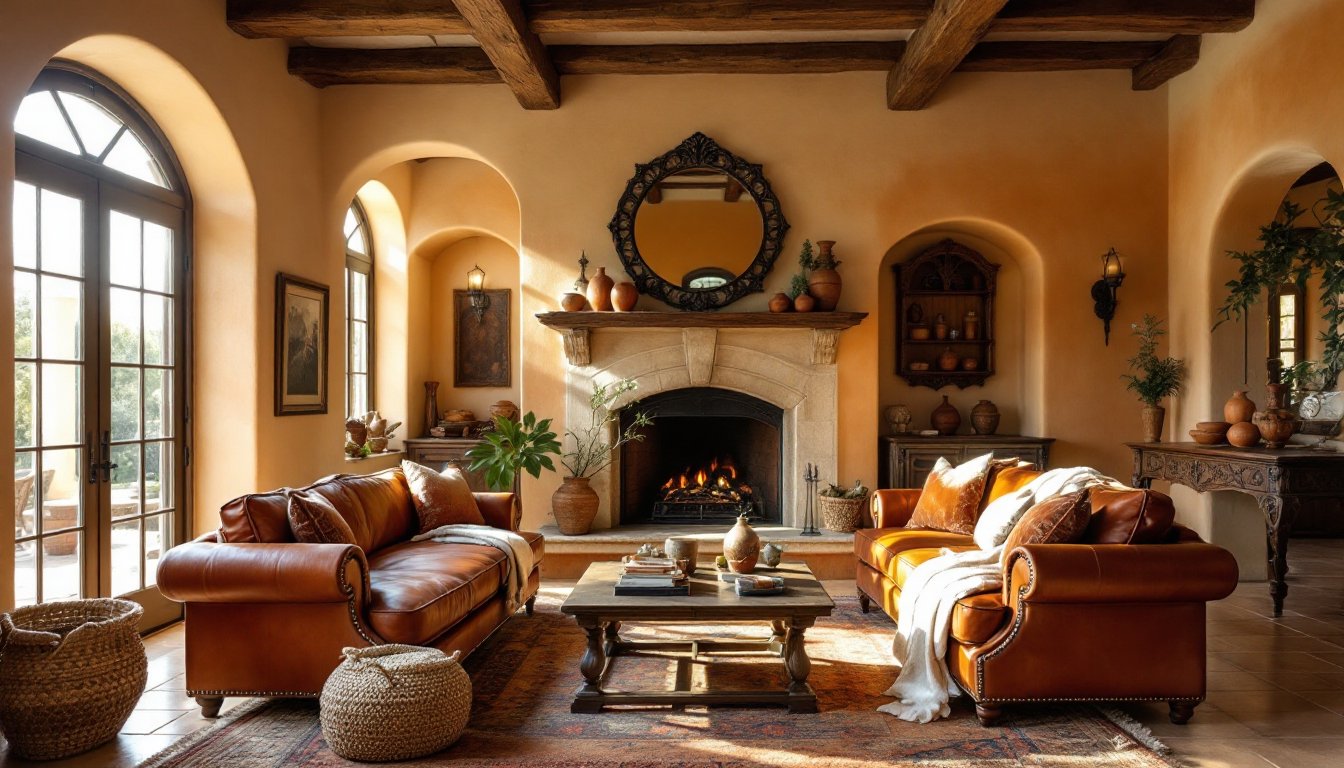
Spanish interior design brings warmth, character, and a sense of old-world sophistication to any home. Whether you’re drawn to the rustic charm of a Tuscan villa or the refined elegance of a Mediterranean estate, traditional Spanish design offers timeless appeal that never feels dated. For homeowners and DIY enthusiasts looking to infuse their spaces with authentic Spanish character, understanding the core principles, from color choices to material textures, is the first step. This guide breaks down the essentials of traditional Spanish interior design, giving you the knowledge to create inviting, distinctive rooms that capture that coveted European aesthetic right in your own home.
Key Takeaways
- Traditional Spanish interior design balances rustic and refined elements, prioritizing lived-in elegance and authentic patina over sterile perfection.
- Use warm, sun-faded color palettes including ochres, terra cottas, and warm neutrals with accent colors comprising only 20–30% of the room to capture authentic Spanish character.
- Invest in natural materials like terracotta tiles, stucco walls, exposed wood beams, and wrought iron hardware where visible, as these materials are foundational to traditional Spanish design.
- Select substantial, durable furniture with carved frames, leather upholstery, and visible wood grain rather than lightweight contemporary pieces to maintain Spanish authenticity.
- Start with one room and apply 2–3 major Spanish design elements (such as tile backsplash, wooden table, and wrought iron lighting) layered with collected pottery and textiles for a cohesive, non-costume-like result.
- Mix high and low pieces throughout your space—combining authentic finds with affordable reproductions—to achieve the collected, lived-in feel that defines traditional Spanish interiors.
The Essence Of Spanish Design: What Makes It Timeless
Traditional Spanish interior design draws heavily from Spain’s diverse regional cultures, climate, and historical influences. The style prioritizes comfort and functionality while celebrating handcrafted details and natural materials. Unlike minimalist or ultra-modern approaches, Spanish design embraces visible textures, layered furnishings, and a lived-in warmth that makes spaces feel inviting rather than sterile.
At its core, Spanish design reflects centuries of architectural evolution, from Moorish influences in the south to Gothic elements in the north, and colonial heritage that spread throughout the Americas. This layering of cultural influences created a design language that values authenticity over trends. A traditional Spanish room feels grounded in place and history, not aspirational or artificial.
The key to capturing this essence lies in balance. Spanish interiors combine rustic and refined elements: rough-hewn beams alongside polished tile, ornate mirrors hung above simple clay pots, and formal furniture arranged for genuine conversation. The style doesn’t try to look perfect: it values patina, visible seams, and the honest beauty of well-used materials. When you’re planning a Spanish-inspired space, think “lived-in elegance” rather than “showroom perfection.”
Color Palettes That Define Spanish Interiors
Spanish interiors gravitate toward earthy, sun-warmed tones that feel both sophisticated and approachable. The foundational palette includes warm ochres, terra cottas, deep reds, burnt oranges, and chocolate browns, colors inspired by Spanish soil, clay, and the landscape itself.
Warm neutrals serve as the backbone. Think cream, beige, and pale yellow rather than cool whites. These tones create a soft, inviting backdrop that highlights architectural details and textiles. Walls are often painted in these warm, muted shades or finished with stucco texture (which you can simulate with specialized textured paint or faux-finish techniques).
Accent colors add vibrancy without overwhelming. Deep reds, forest greens, navy blue, and burnt sienna appear in tilework, textiles, and painted architectural elements like doors and shutters. A single accent wall painted in a rich terra cotta or deep crimson can anchor a room.
Tile colors are critical. Spanish tilework typically features blues, greens, yellows, and earth tones in geometric patterns. These tiles often appear on kitchen backsplashes, bathroom walls, and floor borders, adding visual interest and regional authenticity.
The unifying principle: colors should feel sun-faded and aged, not primary or artificially bright. A palette inspired by interior design tips and home styling guides can help you understand how to layer these colors without creating a chaotic, costume-like effect. Aim for a harmonious blend where accent colors appear in roughly 20–30% of the room, with warm neutrals comprising the rest.
Key Materials And Textures To Master
Traditional Spanish design relies on natural, often unrefined materials that age gracefully. Mastering these textures is essential to authenticity.
Terracotta and clay tiles are foundational. These materials vary in color from reddish-brown to golden, depending on regional clay sources. Hand-made tiles show slight size and color variation, a feature, not a flaw. You’ll find them on floors (larger format, 12×12 or 18×18 inches nominal), kitchen backsplashes, and bathroom accents. Modern production runs these at nominal sizes around 8×8 or 10×10 inches. Their porous surface requires sealing to resist staining.
Stucco and textured plaster walls replace drywall’s smooth finish. Stucco, a mortar-based coating applied in layers, creates an irregular, hand-troweled appearance that’s distinctly Spanish. If re-plastering isn’t feasible, textured paint products or faux-finish techniques approximate the effect.
Wood beams, often dark and heavy, frame ceilings and lofts. Reclaimed beams carry authentic patina: salvaged or hand-distressed new beams offer visual impact at lower cost. These should be substantial (often 8–12 inches nominal depth for visual weight) and left exposed rather than hidden.
Stone and slate appear in flooring, fireplace surrounds, and architectural trim. Irregular, hand-split pieces feel more authentic than uniform, machine-cut stone.
Metal elements, wrought iron, hand-forged hardware, and copper fixtures, add craft and warmth. Ornate iron grilles on windows, heavy door hardware, and decorative wall sconces convey genuine Spanish character. A house that boasts Spanish colonial interiors exemplifies how these materials work together cohesively. Wrought iron should show visible hammer marks and irregularities: uniform, slick iron loses authenticity.
Furniture And Decorative Elements That Capture Spanish Character
Selecting Authentic Furniture Pieces
Spanish furniture prioritizes function and durability over trend. Pieces tend toward substantial proportions, with carved wood frames, leather seating, and wrought iron accents.
Sofas and seating typically feature rolled arms, nailhead trim, and leather or heavy upholstery in earth tones or rich colors. Avoid lightweight, contemporary silhouettes: aim for substantial frames with visible wood legs.
Tables and storage showcase wood grain and craftsmanship. Refectory tables, chest tables, and wooden storage pieces with metal hardware or iron reinforcements are hallmarks. Avoid lacquered or ultra-glossy finishes: matte, hand-rubbed wood feels more authentic.
Decorative elements include pottery, ceramic vessels, and woven baskets. Spanish ceramics often feature cobalt blue, terracotta, and cream in geometric or floral motifs. Arrange these in groupings rather than scattering: a shelf of assorted clay pots, brass vessels, and a carved wooden box creates visual interest and authenticity.
Textiles like rugs, throws, and tapestries ground the space. Spanish rugs typically feature geometric patterns or wool weaves in warm tones. Woven blankets draped over sofa arms or beds add texture and warmth.
Mirrors and wall art should feel substantial. Heavy wooden or wrought iron frames around mirrors, or religious artwork and architectural prints in ornate frames, convey Spanish character. Avoid thin, modern frames: the frame should be visible, significant, and aged-looking.
The goal isn’t to curate a museum display. Mix high and low, vintage finds alongside affordable reproductions. A handwoven basket next to a painted wooden cabinet, authentic terra cotta tile alongside a modern throw pillow in a complementary color. Spanish homes feel collected, not coordinated.
Creating Spanish-Inspired Rooms Throughout Your Home
Kitchens are ideal starting points. Install a terra cotta or ceramic tile backsplash in geometric or solid patterns, add open shelving to display pottery and ceramic pieces, and swap modern cabinet hardware for heavy wrought iron pulls. A painted wooden kitchen island or a salvaged wood table as a prep surface adds immediate Spanish character.
Living rooms should feature a fireplace or a focal point hearth. If you don’t have a wood-burning fireplace, a stone or tile-surround gas insert works well. Arrange substantial, leather-upholstered seating around this focal point. Layer with patterned rugs, woven poufs, and textile accents in warm tones.
Bedrooms benefit from wrought iron beds, carved wooden headboards, or substantial wooden bed frames. Dress them in heavy linens, linen throws, and layered pillows. Hang a wrought iron chandelier or sconce overhead. A wooden chest at the foot of the bed recalls Spanish colonial design.
Bathrooms can feature terra cotta or Talavera tile (a hand-painted Mexican-Spanish style) on walls or as a border. Pair tiles with stucco or textured plaster walls, incorporate a wooden vanity with metal hardware, and add a wrought iron mirror frame and lighting fixtures.
Research on home design inspiration and décor trends shows that rooms mixing functional Spanish elements with thoughtful layering feel more cohesive. The key is intentional restraint, choose 2-3 major Spanish elements per room rather than attempting to make everything Spanish. A Spanish-inspired dining room might feature a painted tile backsplash, a heavy wooden table, and wrought iron lighting, while walls remain a warm neutral stucco. That combination reads clearly Spanish without feeling costume-like.
Conclusion
Building a traditional Spanish interior doesn’t require a complete renovation. Start with one room, invest in authentic materials where visible (tilework, flooring, hardware), and layer in collected decorative elements over time. The beauty of Spanish design is its tolerance for imperfection and authenticity: patina is a feature, not a flaw. Whether you’re refreshing a kitchen backsplash, painting an accent wall in warm terra cotta, or sourcing a substantial wood table, each authentic choice brings your home closer to that inviting, timeless Spanish elegance. The result is a space that feels both historically rooted and genuinely livable.