
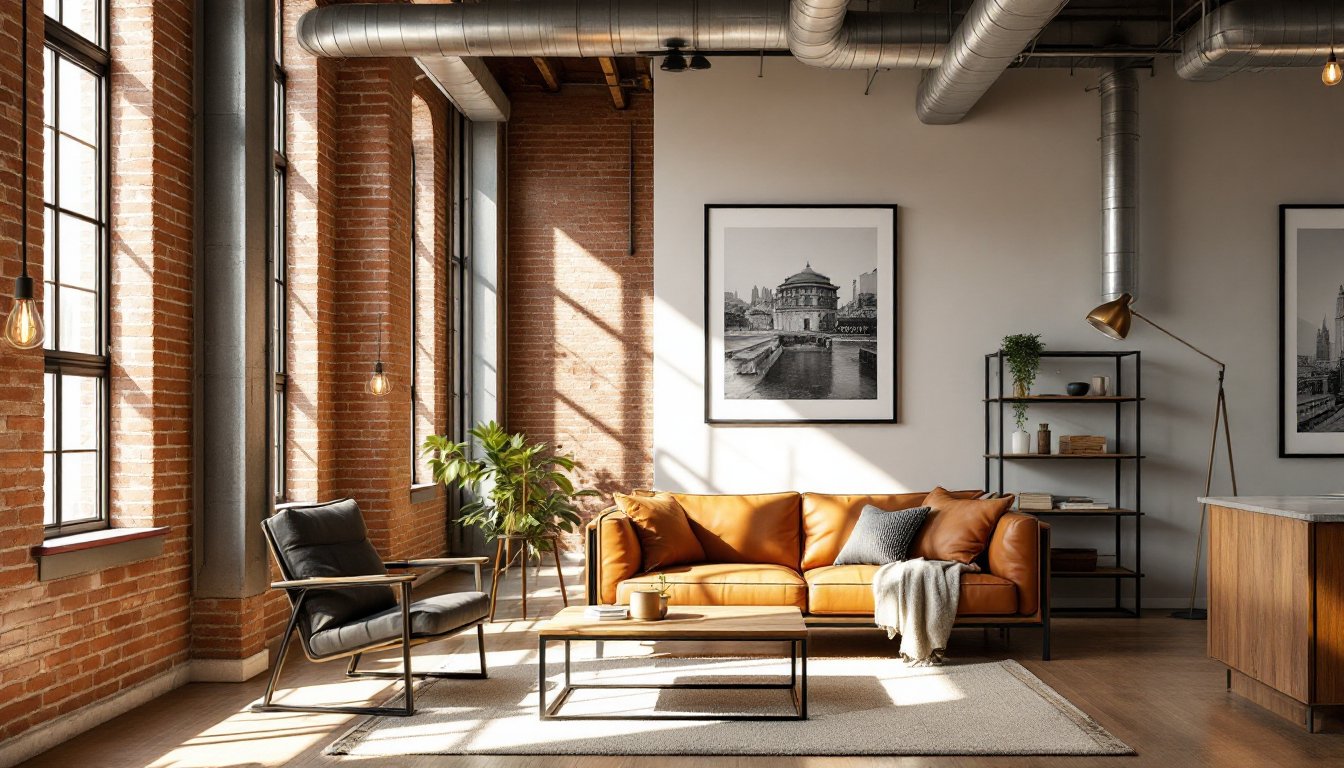
Industrial style interior design has moved beyond trendy warehouse aesthetics to become a lasting favorite among homeowners who want authentic, unpretentious spaces. Unlike glossy, maximalist trends, industrial design celebrates what’s real: exposed brick, raw metal, concrete, and honest materials left unadorned. If you’re drawn to spaces that feel genuine rather than styled, this approach rewards you with character and durability. This guide walks you through understanding industrial style and applying it to your own home, whether you’re overhauling a single room or rethinking your entire layout. You’ll learn which materials actually work, how to avoid a cold, warehouse-like feel, and where to start without major renovations.
Key Takeaways
- Industrial style interior design celebrates authentic materials like exposed brick, concrete, and raw metal to create genuine, long-lasting spaces with character.
- Warm, layered lighting using Edison bulbs and metal fixtures is essential to prevent industrial interiors from feeling cold or sterile.
- Start your industrial style transformation by identifying one anchor element—such as exposed brick or polished concrete—and build other design elements around that foundation.
- Textiles and softer furnishings are crucial for balancing the hardness of metal, concrete, and brick to prevent rooms from feeling austere or uncomfortable.
- Reclaimed and salvaged materials add authenticity but offer budget-friendly alternatives like distressed new wood or high-quality reproductions when authentic sources are expensive.
- Paint finishes should be matte or satin rather than glossy, with colors like black, charcoal, or deep gray creating the most genuine industrial aesthetic.
What Defines Industrial Style Design
Industrial design pulls inspiration from late-19th and early-20th century factories, mills, and manufacturing buildings. The style respects the bones of these spaces, visible structural elements, functional fixtures, and materials chosen for utility rather than decoration. It’s not about recreating a factory floor in your living room: it’s about capturing that sense of purpose and authenticity.
What separates industrial from other raw, minimal aesthetics is its embrace of machinery, history, and repurposing. A salvaged factory cart becomes a coffee table. Vintage Edison bulbs hang from industrial pendant fixtures. Reclaimed barn wood meets galvanized metal shelving. The philosophy: nothing should be hidden just for the sake of prettiness. If it’s beautiful because it works, and it works because it was made well, then it belongs in your space.
Industrial style also leans into a slight roughness, scuffed finishes, patina, mismatched metals. This prevents the look from feeling sterile or overly designed. A perfectly polished loft with factory windows and polished concrete flooring can feel cold. Add lived-in texture, warm lighting, and personal touches, and suddenly it’s a home.
Key Characteristics Of Industrial Interiors
Exposed Brick, Metal, And Concrete
Exposed brick is the poster child of industrial design. If your walls have brick beneath old drywall or plaster, removing the outer layer can reveal beautiful texture. If your walls are already drywall, you have options: paint brick-pattern accent walls, install reclaimed brick veneer, or embrace the smooth wall and focus texture elsewhere.
Concrete works as flooring, countertops, or accent walls. Polished concrete floors feel sleek and are highly durable, ideal for kitchens and entryways. Raw concrete walls (whether left from original construction or applied as overlay) add weight and authenticity. A word of caution: concrete is porous and can stain. Seal concrete surfaces with a commercial-grade sealer to protect against spills and wear.
Metal comes in as exposed steel beams, ductwork, shelving, or accent pieces. If your ceiling has structural joists or HVAC ducts, leave them visible and paint them matte black or dark gray. Open metal shelving (galvanized, steel, or wrought iron) pairs well with wood or concrete. Metal fixtures, pipe railings, steel frames on mirrors, metal light fixtures, reinforce the industrial vibe.
Finding original materials isn’t always possible. Reclaimed brick and wood come from salvage yards: check local listings or design inspiration sites for material sources. If authentic salvage is outside your budget, high-quality reproductions exist, just choose ones with genuine texture and patina, not plastic-looking knockoffs.
Lighting And Fixtures
Lighting makes or breaks industrial style. Harsh overhead fluorescents will kill the mood: instead, aim for warm, layered lighting. Edison bulbs (clear glass with visible filaments, 40–60W equivalent) hung from metal fixtures or bare cords create ambiance. Pendant lights with metal shades (barn lights, warehouse pendants, or cage lights) work over kitchen islands or dining tables.
Track lighting mounted to exposed ceilings adds function without fuss. Adjustable spotlights let you highlight artwork, shelving, or architectural details. If you’re rewiring, consider installing dimmer switches to adjust warmth throughout the day.
Floor lamps with industrial bones, tripod bases, adjustable arms, metal stands, provide task lighting and visual interest. Avoid lamps with frilly shades: look for bare metal, canvas, or simple burlap instead. Table lamps with concrete or metal bases work on side tables or desks.
One critical note: if you’re working with older electrical systems, hire a licensed electrician for major lighting changes. Many industrial-style homes date back decades, and outdated wiring can’t handle modern loads safely.
How To Incorporate Industrial Style Into Your Home
Start by identifying your anchor element, the one true raw material you can emphasize. Do you have exposed brick? Polished concrete floors? A high ceiling with exposed joinery? Build from that strength. If your home has drywall and no obvious industrial bones, don’t force it. Layer in industrial accents: metal shelving, vintage lighting, reclaimed wood furniture, and metal-framed mirrors.
Paint is your quickest ally. Matte black, charcoal, or deep gray walls pair beautifully with metal fixtures and light wood. Primer and industrial-grade paint (like semi-gloss or satin finish) resist scuffs better than flat paint in high-traffic areas. White or off-white walls offer a softer, more contemporary take on industrial, cleaner lines, lighter feel, less cave-like.
Furniture selection matters. Pair industrial pieces with warmer elements: a steel-frame sofa with a linen upholstery, wood dining table with metal legs, vintage factory cart topped with a wooden slab. Raw materials need softness (rugs, cushions, throws) to prevent the space from feeling austere. A room full of concrete, metal, and glass will be uncomfortably loud and reflective. Add textiles, wood, and plants to humanize it.
If you’re renting or hesitant about permanent changes, focus on removable elements: moveable shelving units, industrial light fixtures you can swap out, area rugs, and wall art. According to modern design resources like MyDomaine, even temporary touches can transform a space without commitment.
Materials And Finishes To Use
Steel and iron form the backbone. Hot-rolled steel has a darker, slightly rusty finish and looks authentically vintage. Cold-rolled steel is smoother and can be powder-coated for color. Wrought iron (forged by hand, historically) is pricier but adds genuine character. For shelving, brackets, and fixtures, cold-rolled steel is practical and affordable.
Reclaimed and salvaged wood brings warmth. Barn wood, flooring from old barns or factories, and timber from dismantled structures carry visible knots, nail holes, and color variation. These pieces are expensive, expect $4–12 per linear foot for quality reclaimed lumber, depending on rarity and region. New wood distressed to look old is a budget alternative: it lacks authenticity but works if styled carefully.
Galvanized metal (zinc-coated steel) resists rust and has a silvery, industrial patina. Pipes, buckets, and fixtures in galvanized finish are durable and cost-effective. Over time, galvanized surfaces develop a matte gray patina that deepens the aesthetic.
Concrete finishes range from polished (reflective, smooth) to raw (matte, textured). Epoxy and polyurethane coatings protect concrete and add subtle sheen. Sealed concrete costs $3–15 per square foot installed, depending on finish and local labor rates.
Paint finishes should be matte or satin, never glossy. Glossy reads as plastic or overly finished. Matte black paint on walls, trim, and ceilings gives the truest industrial feel. Look for durable, scuff-resistant formulations rated for commercial or industrial use.
Textiles balance the hardness. Linen, canvas, raw cotton, and jute absorb sound and add tactile warmth. Avoid overly patterned or decorative fabrics, stick to solids and simple weaves. Leather, especially worn or distressed, complements metal and concrete beautifully.
Industrial Style In Different Rooms
Kitchen: Stainless steel appliances pair naturally with industrial style. Open shelving made from reclaimed wood and metal brackets replaces closed cabinets. Concrete or polished epoxy countertops are durable and on-brand. Ensure your counters are sealed properly, unsealed concrete absorbs oils and stains. Subway tile backsplashes in white or gray offer a clean, factory-like backdrop. Pendant lights over the island should have metal shades and Edison bulbs. Install a heavy-duty faucet with a high arc and industrial proportions.
Bathroom: Concrete or tile flooring works with a utilitarian vanity made from reclaimed wood and metal legs. Exposed metal piping for shower fixtures creates authentic industrial bones. Matte black or brushed nickel hardware complements the theme. Mirror frames in steel or reclaimed wood add visual weight. Concrete or tile walls give an unfinished, authentic feel, no need for wallpaper or overly finished surfaces.
Living Room: This is where you add softness and livability. A leather sofa or upholstered seating with metal or wood frames, paired with a low-profile coffee table with a metal base and wood top, grounds the space. Area rugs in neutral tones (cream, gray, taupe) define zones and warm hard floors. Exposed brick accent walls shine here. Metal-framed windows or industrial sliding barn doors (if structural changes are possible) become focal points. Artwork on concrete or white walls should be substantial, oversized photography, architectural prints, or bold abstract pieces.
Bedroom: Keep it calm by using softer textiles and warm lighting. A bed frame in wrought iron or steel with a simple wood headboard balances industrial bones with comfort. Nightstands in salvaged wood or metal add character without fuss. Curtains in linen or canvas filter light gently. Overhead industrial fixtures can feel harsh: instead, rely on bedside lamps with metal bases and warm bulbs (2700K color temperature). If structural work is required, say, exposing ceiling beams or removing a drop ceiling, hire a contractor to assess load-bearing walls and ensure the work is safe and code-compliant.
Indeed, Curbed frequently showcases industrial lofts and converted warehouses that demonstrate how the style translates across residential spaces. Modern implementations prove industrial doesn’t have to feel cold or unwelcoming when you balance materials thoughtfully.