
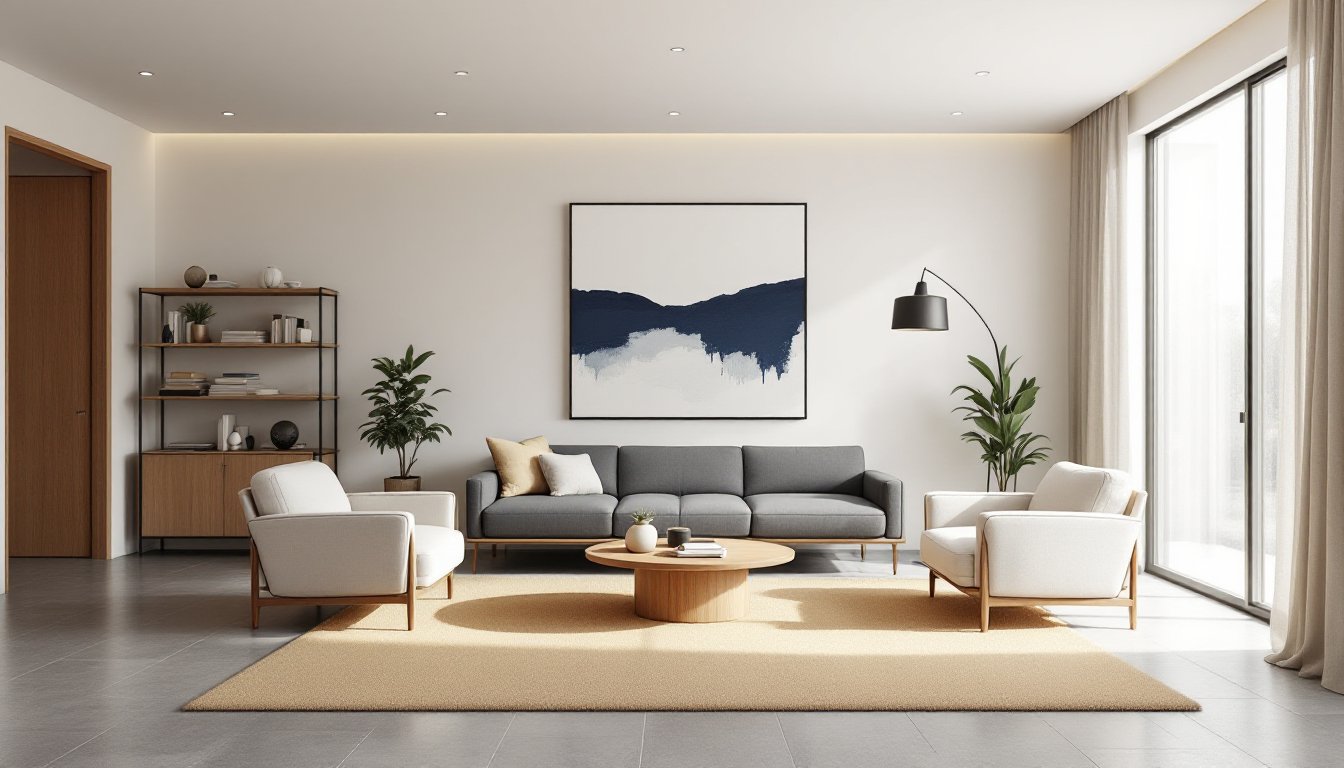
Modern interior design has moved beyond sleek showroom aesthetics to become a livable, practical approach that works in real homes. Instead of fussy ornamentation or trendy pieces that feel dated in a season, modern style emphasizes clean lines, functional layouts, and a carefully curated palette that lets the space breathe. Whether you’re renovating a single room or rethinking your entire home’s look, understanding the core principles of modern design gives you the confidence to make choices that feel intentional rather than rushed. This guide walks you through what defines modern style, which elements matter most, and how to apply these ideas room by room using practical, budget-friendly approaches.
Key Takeaways
- Modern interior design emphasizes clean lines, functional layouts, and a carefully curated palette that prioritizes form following function over ornamental excess.
- Neutral color bases (whites, grays, warm beiges) with one or two saturated accent colors create visual discipline while allowing personality in modern style interiors.
- Modern design reduces visual clutter by using built-in storage, wall-mounted shelving, and clear surfaces, making every piece intentional rather than decorative.
- Room-by-room modern design applications include low-profile furniture in living rooms, flat-panel cabinetry in kitchens, platform beds in bedrooms, and floating vanities in bathrooms.
- DIY-friendly modern updates like neutral paint ($100 for a room), modern lighting fixtures ($60–$200), and cabinet refacing deliver significant aesthetic improvements at practical budgets.
- Modern homes age gracefully by choosing timeless, quality pieces over trendy items and ruthlessly decluttering to maintain the intentional, lived-in aesthetic the style demands.
What Defines Modern Interior Design
Modern design emerged in the early 20th century as a reaction against ornamentation and excessive detail. It’s rooted in the idea that form follows function, a space should work beautifully before it looks beautiful. This doesn’t mean cold or sterile: it means intentional.
The hallmark of modern interiors is restraint. Rather than filling every corner with objects, you choose fewer pieces and let them matter. Horizontal and vertical lines dominate, reflecting nature and creating visual order. Materials tend to be honest: exposed wood grain, concrete, metal, and glass appear as themselves rather than disguised behind fussy finishes.
Modern design also values open floor plans and visual flow. Walls come down (when they’re not load-bearing), sightlines stretch across rooms, and furniture placement creates conversation areas rather than blocking movement. Storage is built-in and hidden, keeping surfaces clear. When items sit on shelves or tables, they’re there because they’re beautiful, functional, or both.
Unlike midcentury modern, which leans toward nostalgia and warm wood tones, contemporary modern design feels fresh and somewhat minimalist. But unlike minimalism’s extreme austerity, modern design allows texture, color, and personality, just applied with discipline. Think of it as the thoughtful neighbor’s home: tidy but lived-in, stylish but unpretentious.
Key Design Elements Every Modern Home Needs
Color Palettes and Materials
Modern color schemes typically rest on a neutral base, whites, grays, blacks, and warm beiges, allowing accent colors to stand out without competing. This isn’t about an all-white sterile box. Warm grays (ones with beige or taupe undertones) feel more livable than cool, clinical grays. When introducing color, homeowners often pick one or two saturated tones (deep navy, forest green, terracotta) and use them sparingly on an accent wall, in artwork, or through upholstery.
Materials are equally important. Hardwood flooring in oak, walnut, or a lighter engineered wood sets a warm, grounded tone. Concrete floors (sealed or polished) deliver industrial cool. Large-format tiles in kitchens and baths create seamless, easy-to-clean surfaces. On walls, flat or matte paint finishes are preferred over glossy: they look more sophisticated and hide imperfections. Wallpaper is minimal, if used, it’s a single accent wall with geometric or subtle patterns, not florals or fussy prints.
Texture comes from materials themselves rather than applied decoration. Exposed brick, shiplap, or rough concrete add depth. Natural textiles, linen, wool, cotton, appear in upholstery, rugs, and curtains. A Curated Styling Home Decor approach layers materials thoughtfully so no single finish dominates the visual landscape.
Creating Modern Style Room by Room
Living Rooms and Kitchens
In a modern living room, furniture acts as sculptural pieces. A low-profile sofa with clean lines, paired with a matching coffee table in wood or metal, becomes the focal point. Avoid oversized sectionals that block sight lines. Instead, a modest sofa plus a pair of accent chairs arranged to face each other creates intimacy without clutter. Wall-mounted shelving holds books and objects without needing a traditional bookcase. Lighting comes from recessed ceiling fixtures, floor lamps with minimal design, and perhaps a pendant light over a reading nook.
Kitchens benefit enormously from modern design principles. Flat-panel cabinet doors with hidden hardware, pale wood or matte finishes, and an island with clean lines feel current and functional. Countertops in solid surface, quartz, or granite should be uncluttered, appliances and utensil holders disappear into drawers or cabinets. Open shelving is risky in kitchens: it requires constant tidiness. Backsplashes are often large, neutral tiles or a single color: subway tile laid in a running bond pattern is contemporary without feeling trendy. Pendant lights above the island offer task lighting and visual interest.
The key to both rooms is avoiding visual noise. Curtains stay sheer or are neutral solid colors, not patterned. Artwork is minimal and large rather than a gallery wall. A single large mirror can expand the sense of space better than a collection of small frames.
Bedrooms and Bathrooms
Bedrooms should feel restful, making a modern approach especially appealing. A platform bed with a low profile, simple headboard, or no headboard at all suits the style. Nightstands are floating shelves or minimal tables. Bedding is solid-colored cotton or linen, not heavily patterned, in whites, grays, or soft tones. Throw pillows are few and neutral. Wall art is optional: a large window with minimal window treatments can be decoration enough.
Bathroomscall for practical materials and clean lines. Walk-in showers with large-format tiles and minimalist fixtures feel spa-like without luxury pricing. Floating vanities with hidden storage maximize visual space in smaller bathrooms. Avoid pedestal sinks, which waste square footage: a wall-mounted or integrated sink serves modern design better. Lighting should be bright and even, sconces flanking a mirror or recessed ceiling lights work well. Mirrors themselves should be frameless or have minimal metal frames.
In both spaces, storage solves the clutter problem. Built-in closets with sliding doors, under-bed drawers, and wall-mounted shelving hide possessions while keeping surfaces clear. This is where modern design truly shines: everything has a place.
Practical Tips for DIY Modern Design Projects
Start with a paint refresh. Choosing a neutral wall color, soft gray, warm white, or taupe, costs under $100 in paint and supplies for an average room. Use a roller and extension pole to apply two coats of quality latex paint (Benjamin Moore or Sherwin-Williams are reliable) evenly. Prep walls by filling holes with spackling compound and sanding lightly. This single step transforms a space more than any furniture move.
Next, tackle lighting. Replacing old ceiling fixtures with recessed lights or a modern pendant fixture (under $60 to $200 per unit, depending on design) requires basic electrical work or hiring a licensed electrician if you’re unsure. Modern design loves clean, minimal fixtures with no frills. Matte black or brushed nickel finishes age better than shiny brass or chrome.
Flooring updates don’t always mean full replacement. Luxury vinyl plank (LVP) flooring mimics hardwood beautifully, costs $2 to $8 per square foot installed, and is DIY-friendly for experienced home improvers (though hiring a professional ensures a seamless finish). Alternatively, large-area rugs in neutral tones, wool blends are durable and feel luxe, anchor modern seating and cost less than flooring.
For cabinetry, cabinet refacing is cheaper and faster than replacement. Paint existing cabinet doors with cabinet-grade paint (Benjamin Moore Advance is excellent for durability), replace hardware with minimal pulls and knobs, and your kitchen looks newly designed for a fraction of full renovation costs. This approach respects your space’s existing bones while delivering modern aesthetic.
Wall-mounted shelving and floating nightstands require wall studs or heavy-duty toggle bolts if hitting studs isn’t possible. Use a stud finder to locate supports, and always follow weight limits on mounting hardware. A shelf holding books and objects can weigh 30-50 pounds: undersizing hardware invites safety issues and callbacks.
Finally, declutter ruthlessly. Modern design demands clear surfaces, so donate, sell, or store items you don’t use daily. This costs nothing but effort and immediately makes any space feel more intentional. The design industry points to Design Milk and other modern design outlets as sources of inspiration, not shopping lists. Resist impulse purchases: modern homes age gracefully because pieces are timeless rather than trendy.
Moving Forward With Modern Design
Modern interior design isn’t about cold perfection or unaffordable luxury. It’s about choosing quality where it matters, good paint, durable flooring, solid hardware, and editing ruthlessly elsewhere. Whether renovating a whole house or updating a single room, starting with clear lines, neutral foundations, and honest materials gives you a framework that welcomes both minimalist discipline and personal warmth. Your home becomes a reflection of what you actually need and love, not what magazines say you should own.