
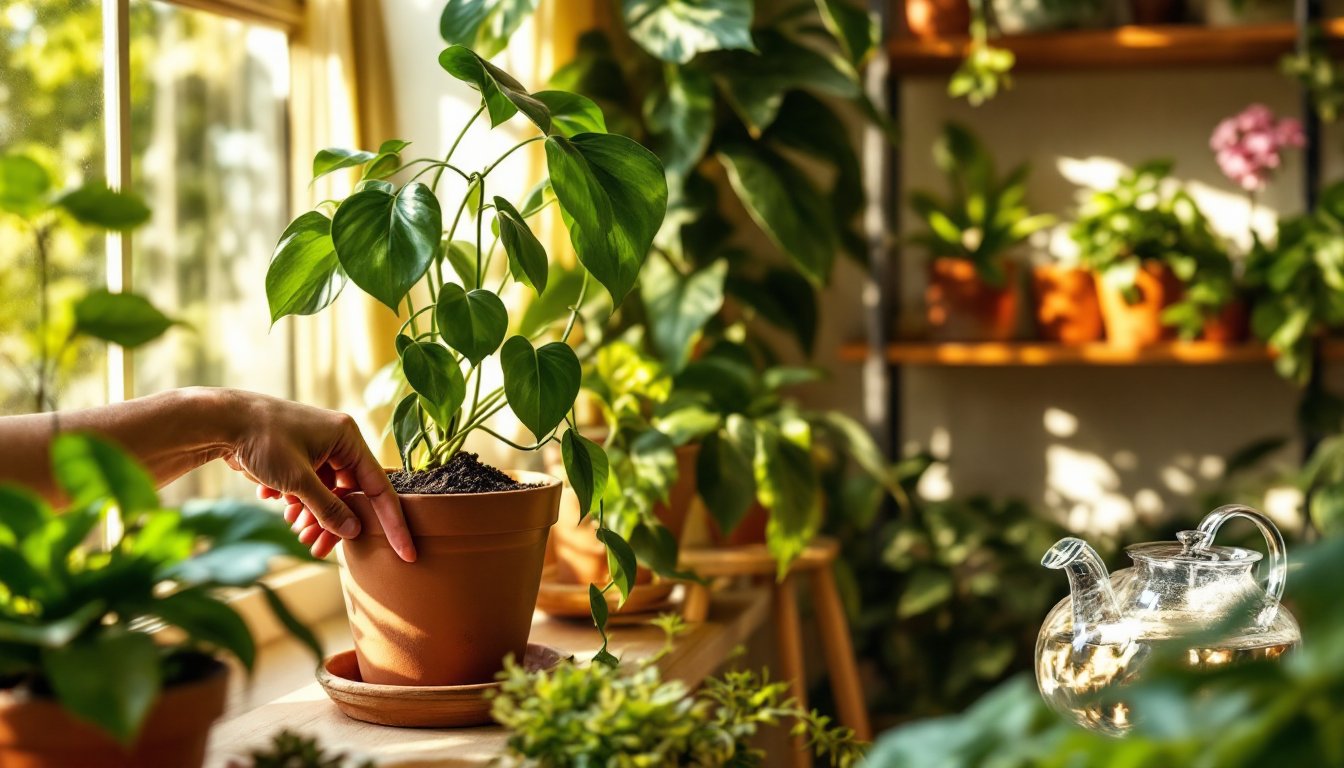
Getting house plants to thrive indoors isn’t complicated, but it does require understanding one fundamental principle: watering frequency. Too many gardeners kill healthy plants by overwatering, the most common indoor plant killer. Yet underwatering is equally destructive. The difference between a thriving fiddle leaf fig and a drooping disappointment often comes down to knowing when and how much to water. This guide cuts through the guesswork, giving you the knowledge to keep your indoor garden flourishing year-round.
Key Takeaways
- How often to water house plants depends on soil type, pot material, light exposure, temperature, and plant species—not a fixed schedule.
- Use the finger test by inserting your finger about one inch into the soil: if it feels dry, water thoroughly; if moist, wait.
- Succulents and cacti need water every 2–3 weeks, tropical plants every 5–7 days during growing season, and ferns every 3–5 days to match their natural habitats.
- Reduce watering frequency by 30–50% during fall and winter when plants enter dormancy and growth slows.
- Overwatering is the most common indoor plant killer—watch for yellowing soft leaves, musty soil smell, and mushy stems; underwatering causes crispy, curled leaves that recover quickly with a thorough soak.
- Group plants by water needs and use a phone reminder to check soil moisture every 3–5 days rather than following a rigid schedule.
Understanding Your Plant’s Watering Needs
Before reaching for the watering can, recognize that every plant has distinct moisture requirements. A succulent and a fern live in completely different worlds, one thrives in drought, the other demands consistent moisture. The key is matching your watering schedule to each plant’s natural habitat and growth cycle.
Factors That Affect Watering Frequency
Several variables control how often your plant actually needs water:
- Soil Type and Drainage: Fast-draining soil (like cactus mix with perlite) dries quickly and needs more frequent watering. Dense, dense soil with poor drainage holds moisture longer and requires less frequent watering. Always use soil appropriate to your plant type.
- Pot Material and Size: Terracotta pots breathe and dry faster than plastic: a 4-inch pot dries quicker than an 8-inch one. Pot size should match the plant’s root system, too large and soil stays wet too long.
- Light Exposure: Plants in bright light photosynthesize faster and use more water. A plant in a north-facing corner stays drier longer than one under a south-facing window.
- Temperature and Humidity: Warm environments and low humidity accelerate evaporation. Winter heating indoors reduces humidity, which paradoxically means plants need less water even as conditions feel dry.
- Plant Species and Growth Stage: Fast-growing plants in their active season drink more water. Dormant plants in winter hardly need a drink.
Measuring soil moisture is the most reliable indicator. Stick your finger about an inch into the soil, if it feels dry at that depth, it’s time to water. If it’s moist, wait. Invest in a simple moisture meter (around $10–20) for consistency if you’re uncertain.
General Watering Guidelines By Plant Type
Plant families have predictable watering patterns. Knowing which category your plant falls into takes out the guesswork.
Succulents and Cacti (aloe, echeveria, jade plants): Water deeply but infrequently, typically every 2–3 weeks or when soil is bone dry. In winter, stretch to 4–6 weeks. These plants store water in their leaves and rot quickly if overwatered.
Tropical Foliage Plants (pothos, philodendron, monstera): Prefer soil that’s consistently moist but not waterlogged. Water when the top inch of soil feels dry, usually every 5–7 days during growing season, less in winter. These plants come from humid rainforest understories and hate drying out completely.
Ferns and Palms: Need consistently moist (not soggy) soil. Water every 3–5 days, checking frequently. They’re sensitive to both drought and overwatering. Mist foliage occasionally to raise humidity, which they crave.
Flowering Plants (African violets, orchids): Water at the base to avoid leaf spots. African violets need soil consistently moist but never waterlogged, check every 2–3 days. Orchids prefer drying between waterings: water weekly or when roots turn silvery-gray instead of green.
Snake Plants and ZZ Plants (extremely drought-tolerant): Water sparingly, every 2–4 weeks or when soil is completely dry. These plants are overwatering victims. If in doubt, wait another week.
Research specific needs using The Spruce or similar comprehensive references, most plants come with species-specific guidance that’s more reliable than generic rules.
Seasonal Changes And Watering Schedules
Most indoor plants shift into dormancy or slow growth during fall and winter. Temperatures drop (even in heated homes), daylight decreases, and growth essentially pauses. Your watering frequency must adapt accordingly.
Spring and Summer: During active growth, plants photosynthsize faster, roots are actively growing, and evaporation rates spike. Most plants need watering 1.5× to 2× as often as in winter. Check soil moisture more frequently, sometimes every 3–5 days.
Fall and Winter: Growth slows dramatically. Plants need 30–50% less water than in summer. Reduce frequency by at least one-third. A tropical plant watered every 5 days in summer might need water only every 7–10 days in winter. Dormant plants like deciduous trees drop leaves and barely drink at all.
Transition Periods (late August and early March): Watch for the shift. If you’re watering on autopilot, you’ll suddenly overwater. Adjust gradually, checking soil moisture more often as the season changes.
When caring for houseplants during dormant seasons, reduce fertilizer too, plants aren’t growing and don’t need extra nutrients. Cold water straight from the tap is fine: plants adjust naturally to temperature changes indoors.
Signs Your Plant Needs Water Or Is Overwatered
Plants communicate their needs clearly if you know what to watch for.
Signs of Underwatering:
- Leaves curl inward or feel papery and crispy.
- Soil pulls away from the pot edges and feels hard.
- Foliage droops, even though soil appears dry (recovery happens within hours of watering).
- Lower leaves yellow and drop.
- Growth stops or slows significantly.
Signs of Overwatering:
- Soil smells sour or musty (root rot smell).
- Leaves turn yellow but feel soft and limp (not crispy).
- Brown spots appear, often with a yellow halo, fungal or bacterial issue.
- Stems or base of plant feel mushy.
- Mold or algae appears on soil surface.
- Growth stops even though frequent watering.
Overwatering is trickier to fix. If you catch root rot early, repot immediately into fresh, dry soil using a pot only slightly larger than the root ball. Trim away black, mushy roots with clean pruners. If the plant is severely rotted, propagation from a healthy stem cutting is often your only option.
Underwatering is easier to reverse, water thoroughly and observe recovery. Most plants bounce back within a day or two if not severely desiccated. For severe drought stress, soak the pot in a bucket of water for 10–15 minutes rather than light watering, which allows deeper soil penetration.
Best Practices For Consistent Plant Health
Establish routines that prevent guessing:
Use the Finger Test Consistently: Check soil moisture with your index finger to about one knuckle deep (roughly 1 inch). This is the most reliable method. Over time, you’ll develop feel for how wet or dry your plant’s soil should be.
Water Thoroughly, Not Frequently: When you do water, water until it drains from the bottom, this flushes salts and ensures deep root hydration. Light surface watering wastes effort and leaves lower roots dry. Always use a pot with drainage holes and a saucer to catch excess.
Room Temperature Water is Best: Cold water shocks tropical plants: hot water damages roots. Lukewarm tap water works perfectly. If your tap water is heavily chlorinated, let it sit 24 hours before using, chlorine evaporates naturally.
Group Plants by Water Needs: Keep high-water plants (ferns, pothos) together and drought-tolerant plants (succulents, snake plants) in a separate area. This prevents over- or underwatering due to mixing incompatible plants in the same watering routine.
Set a Reminder, Not a Schedule: A phone reminder to “check plant moisture” every 3–5 days keeps you consistent without forcing a rigid schedule. Seasons, weather, and pot location all shift water needs weekly.
Inspect Roots Quarterly: Remove plants from pots every 3 months during growing season. Healthy roots are white or cream-colored and smell earthy. Brown, mushy, or foul-smelling roots signal overwatering: white, dried roots signal underwatering. Adjust your routine based on what you find. Resources like Hunker’s home improvement guides offer detailed plant care and repotting techniques if you need step-by-step visuals.
Acclimate New Plants: When you bring a plant home, don’t change its watering schedule immediately. Observe for 1–2 weeks, checking how fast the soil dries in your specific environment. Then adjust gradually.
Conclusion
Watering frequency isn’t one-size-fits-all, it’s a responsive practice based on your plant, pot, light, and season. Start by understanding your plant’s natural habitat and moisture needs, then observe how soil dries in your home. The finger test combined with visual cues (drooping, yellowing, crispy leaves) gives you the feedback loop to refine your approach. Most mistakes come from rigid schedules rather than attentive observation. Check moisture regularly, water thoroughly when needed, and adjust seasonally. Your indoor garden will reward consistency and attention to detail.