
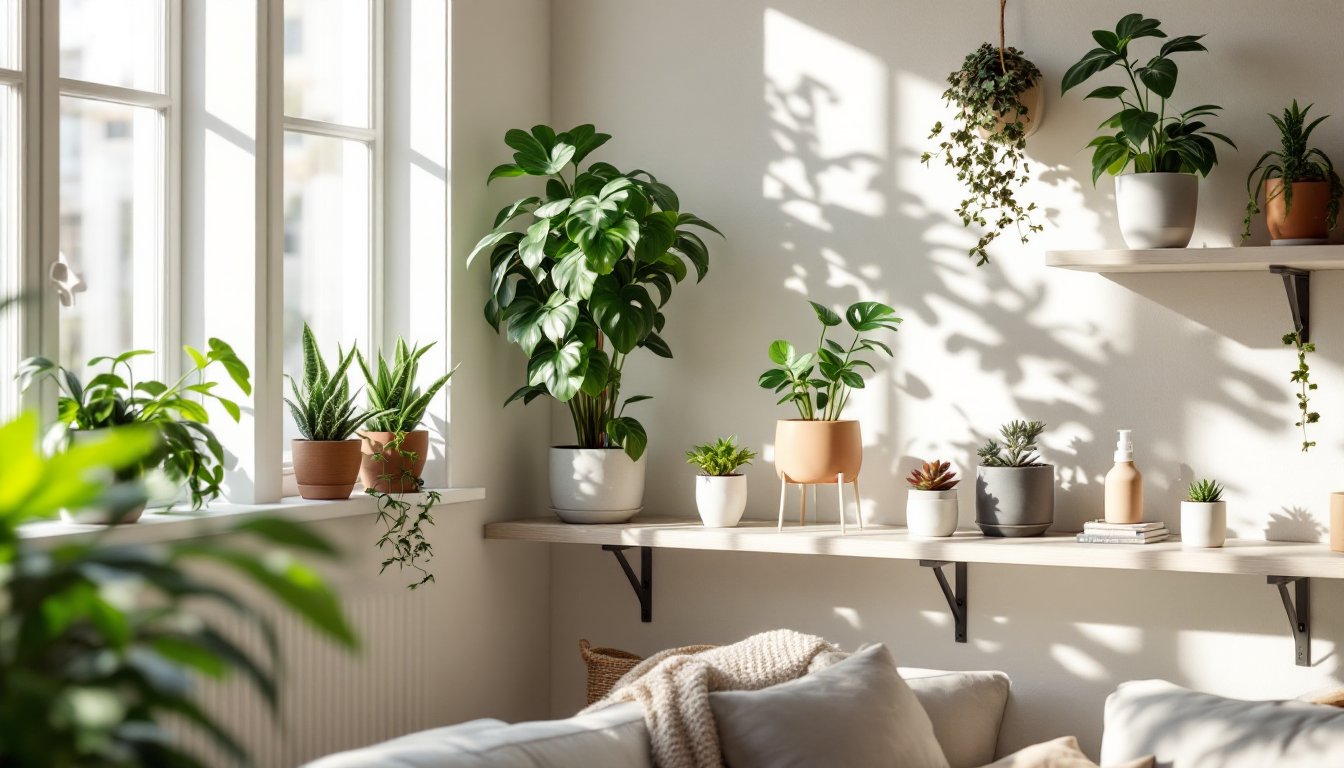
Adding plants to a home doesn’t require a green thumb or a big budget, especially when you turn to IKEA for both the plants and the containers to display them. IKEA house plants and planters offer homeowners an affordable, no-fuss way to introduce greenery into any room without very costly. Whether you’re looking to fill a sunny windowsill or create a lush corner in your living room, IKEA’s rotating selection of houseplants and minimalist plant pots work together to bring life and texture to your interiors. This guide walks you through selecting, styling, and caring for IKEA plants so you can build a thriving indoor garden at a fraction of the cost of specialty plant shops.
Key Takeaways
- IKEA house plants and pots offer an affordable, accessible way to build an indoor garden at two to three times lower prices than specialty plant nurseries.
- Choose low-maintenance plants like snake plants, pothos, and rubber plants that tolerate average home conditions and match your available light and attention span.
- Proper pot selection matters: ensure drainage holes, use standardized sizes (4-inch, 6-inch, or 8-inch), and pair plants with complementary colors to create cohesive displays.
- Overwatering is the leading cause of plant death—check soil moisture with your finger and water only when the top inch feels dry.
- Layer plants by height and light tolerance, group them in odd numbers, and rotate them weekly to ensure balanced, even growth.
Why Choose IKEA for Your Indoor Plant Collection
IKEA stands out as a practical choice for DIY homeowners stocking up on indoor greenery. The retailer stocks a seasonal lineup of hardy houseplants, think pothos, snake plants, and rubber plants, that tolerate average home conditions and don’t demand constant fussing. Prices run two to three times lower than what you’d pay at a dedicated plant nursery, and the plants arrive healthy and ready to pot.
Beyond the plants themselves, IKEA’s plant care supplies and pots form a cohesive ecosystem. You can grab a Monstera deliciosa in one aisle, pick up a matching ceramic pot in the next, and leave with plant food, soil, and a moss pole, all at one stop and within a single shopping trip. For renters and first-time plant parents, this accessibility removes friction. There’s no judgment about plant choices, no pressure to buy expensive grow lights or specialty fertilizers, and no gatekeeping.
The real advantage is consistency in sizing and pricing. IKEA’s pots come in standardized dimensions, commonly 4-inch, 6-inch, and 8-inch diameters, so you know exactly what will fit your space. Combine that with minimalist Scandinavian design, and you’ve got containers that work as well in a modern apartment as they do in a cottage-style home.
Top IKEA Plant Pots and Planters for Modern Interiors
Choosing the right pot matters as much as choosing the plant. A pot that’s too large traps excess moisture around the roots: one that’s too small restricts growth. IKEA’s planters strike a balance between form and function, with options ranging from simple terracotta to sleek concrete finishes.
The FÖRENLIG series is a workhorse for DIYers: lightweight plastic pots with integrated drainage holes, available in white and terracotta. They’re durable, affordable (usually under $5), and work well for grouping on shelves or windowsills. The tapered shape looks clean without being fussy.
For a step up in aesthetics, the FÖRENLIG ceramic planters come in soft earth tones and matte finishes. These pots add weight and a more finished look to a room, though they’re heavier to move and pricier (typically $8–15, depending on size). They’re ideal for permanent placements in living rooms or bedrooms.
Affordable Ceramic and Concrete Options
IKEA’s concrete and lightweight concrete pots, such as the FÖRENLIG concrete planter, deliver industrial charm without the price tag of artisan ceramic shops. A 6-inch concrete pot runs $10–12 and works beautifully with trailing plants like string-of-pearls or pothos. The downside: concrete is porous and heavy, so it dries out faster and isn’t ideal for moving frequently.
For budget-conscious decorators, mix and match. Pair a cheap plastic pot with a decorative ceramic slip cover (sometimes called a cache pot). This two-pot method lets you upgrade the look without repotting every plant. Drill a few drainage holes in the ceramic pot’s base if it lacks them, a ⅜-inch spade bit in a power drill makes quick work of it.
Don’t overlook IKEA’s hanging planters and wall-mounted options. The FÖRENLIG wall-mount planters cost under $8 and free up surface space, a real advantage in small apartments or offices where floor and table space is scarce. Make sure your wall can support the weight: a simple stud finder ($15–25) tells you where to anchor brackets securely into solid wood framing.
Best Low-Maintenance Plants to Pair With IKEA Pots
Not every plant thrives in every home, so pick varieties that match your light, humidity, and attention span. IKEA typically carries a rotation of tried-and-true species suited to indoor life.
Snake plants (Sansevieria) are virtually unkillable. They tolerate low light, irregular watering, and dry air, all hallmarks of heated homes and offices. Place one in a 4-inch FÖRENLIG pot and you’ve got a plant that needs water once every two to three weeks.
Pothos (Epipremnum aureum) climbs or trails beautifully. It handles neglect, grows quickly, and adapts to most light levels. A single rooted cutting in a small pot will sprawl across a shelf within a few months. Pinch back leggy stems to encourage bushier growth.
Rubber plants (Ficus elastica) make a statement. They grow tall and bold, prefer bright indirect light, and respond well to trimming. IKEA sometimes stocks small rubber plants for $10–15: pot it in a 6 or 8-inch ceramic planter and it’ll be a focal point within a year.
Succulents and echeveria suit windowsills and bright shelves. They need well-draining soil and infrequent watering, overwatering kills them faster than drought does. IKEA’s selection rotates, but echeveria and aloe are staples. Use a terra cotta pot with drainage and add a layer of perlite to the soil for extra drainage. Terra cotta breathes better than plastic, so it’s the safer choice for succulents.
Other reliable standouts include Monstera deliciosa (splits as it matures, loves humidity), peace lily (tolerates shade, signals thirst by drooping), and bird of paradise (slow-growing but stunning flowers). Read care tags carefully, light requirements vary wildly. A peace lily in a sunny south-facing window may scorch: the same plant 6 feet away from a north window thrives.
Styling and Displaying Plants Throughout Your Home
A single plant on a shelf is nice. A thoughtful cluster of plants transforms a room. The key is variety in height, pot texture, and leaf shape, all principles from professional interior design that work just as well on a homeowner’s budget.
Start by identifying your best-lit spots: a south-facing windowsill, a corner near a glass door, or a spot under a skylight. These are your prime real estate. Place high-light lovers (succulents, snake plants, rubber plants) there first. Shade-tolerant plants (pothos, peace lily, philodendron) fill the darker spots.
Layer your pots. A tall Monstera in an 8-inch ceramic pot anchors the back. Mid-height snake plants in 6-inch pots sit to the sides. Trailing pothos in 4-inch hanging pots dangle from a shelf above or window ledge. This vertical thinking makes even a small space feel green and alive. The Spruce has extensive guidance on plant arrangement and layering techniques that applies directly to home placement.
Creating Plant Clusters and Wall Arrangements
Create visual rhythm by grouping plants in odd numbers, three or five work better than even-numbered clusters. Odd numbers feel intentional without looking overly formal. Use pots in 2–3 complementary colors: all white, all terracotta, or a mix of white and concrete. Mixing too many pot colors dilutes the impact.
Wall-mounted arrangements work beautifully above a console table, along a hallway, or beside a bed. IKEA’s FÖRENLIG wall planters cost less than a single plant at a specialty nursery. Mount them in a staggered pattern, not a perfect grid, which feels sterile. Leave uneven spacing: your eye appreciates the visual rhythm.
For those with basic woodworking skills, IKEA Hackers offers creative DIY modifications to build custom plant shelving or hanging arrangements using IKEA’s shelving components. A simple floating shelf (12–24 inches wide) costs $15–30. Mount it at eye level (about 54–60 inches from the floor) on a stud (use a 2½-inch wood screw and a bracket rated for at least 25 pounds). Three 4 and 6-inch potted plants fit comfortably on a 18-inch shelf with room to look curated, not cramped.
Pot color matters for small spaces. White and neutral pots recede, making the foliage the star. Terracotta adds warmth and works well in bohemian or eclectic rooms. Concrete or matte black suits modern minimalist spaces. Don’t overthink it, consistency in two or three pot finishes across a cluster ties the display together.
Budget-Friendly Plant Care Tips and Supplies From IKEA
Once plants are potted and displayed, keeping them alive requires minimal gear, much of which IKEA stocks affordably.
Watering is the biggest mistake area. Overwatering kills more houseplants than underwatering. Check soil moisture with your finger: stick it 1 inch into the soil. If it feels damp, skip watering. If it’s dry, water until it drains from the bottom. Drainage holes are non-negotiable. If you’ve chosen a pot without them, drill one. IKEA’s pots usually come pre-drilled, but double-check before buying.
IKEA stocks plant food (liquid and slow-release pellets) for $3–6. Follow label instructions, most indoor plants need feeding only during growing season (spring and summer), not fall and winter. Over-fertilizing causes salt buildup in soil, burning roots.
Potting soil from IKEA costs less than $4 per bag. Universal indoor mix works for most houseplants, though succulents and cacti benefit from specialized cactus/succulent soil (better drainage). When repotting, choose a pot only 1–2 inches larger in diameter than the current one. A plant in soil too large stays wet too long and risks root rot.
Wipe leaves monthly with a damp cloth to remove dust, it blocks light and invites pests. For sticky residue or pest problems, use neem oil (a few dollars per bottle) or insecticidal soap, both available at IKEA or garden centers. Spray outdoors or in a well-ventilated area: follow label instructions.
Rotate plants 90 degrees weekly if they’re near a window. Light comes from one direction, so rotation ensures even, balanced growth. Gardenista’s plant care guides provide deep dives into specific plant needs, from humidity requirements to pest management, if you want to troubleshoot particular species.
For apartment dwellers without outdoor space, a simple spray bottle ($2–4) mists tropical plants that love humidity. Monsteras, rubber plants, and peace lilies appreciate a weekly misting in dry months. Don’t spray succulents or plants with fuzzy leaves (African violets): water pools on fuzzy foliage and causes rot.
Invest in a basic moisture meter ($5–10) if you’re uncertain about watering frequency. Stick it in the soil: the gauge tells you if the plant needs water. It removes guesswork and builds your confidence fast. Some homeowners find them indispensable: others rely on the finger test. Either way works, the meter just accelerates the learning curve.
Honestly assess your commitment level. If you travel frequently, choose tough plants like snake plants and pothos. If you work long hours under fluorescent lights, avoid high-light plants. Match the plant to your lifestyle, and you’ll succeed. No shame in keeping things simple with low-light, low-water varieties. A healthy pothos in a corner beats a dead fiddle-leaf fig in a sunny spot.