
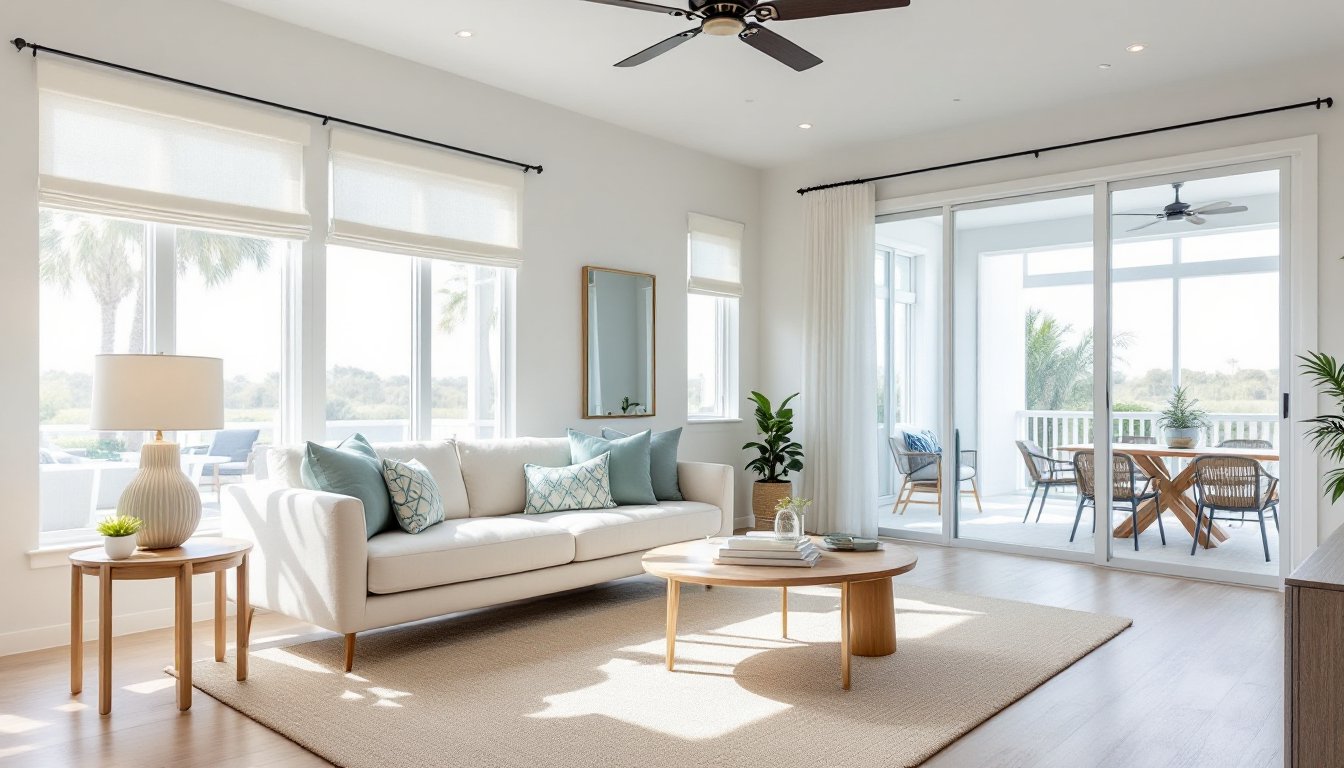
Delray Beach stands out as one of Florida’s most sophisticated coastal communities, where beachfront charm meets upscale residential design. Whether you’re renovating a historic bungalow or updating a contemporary home, interior design in Delray Beach balances the relaxed tropical aesthetic with refined, timeless elegance. The challenge isn’t just embracing the coastal lifestyle, it’s creating spaces that handle year-round heat, humidity, and salt air while reflecting the neighborhood’s distinct character. This guide walks through proven design strategies that work specifically for Delray Beach homes, from color choices to material selection and outdoor integration.
Key Takeaways
- Interior design in Delray Beach balances relaxed coastal aesthetics with upscale sophistication by respecting the neighborhood’s Old Florida vernacular and structural characteristics of homes built in the 1920s-1940s era.
- Neutral color palettes with whites, soft grays, and sand tones create airy spaces, while restrained accent colors (soft blues, seafoam greens, terracotta) maintain the serene coastal mood without overwhelming the design.
- Choose durable, moisture-resistant materials like teak, mahogany, outdoor-grade fabrics, and stainless steel hardware to combat salt air corrosion and humidity while ensuring furniture lasts for decades in Delray Beach’s tropical climate.
- Layer light control with motorized shades, plantation shutters, and architectural sunshades to reduce heat gain and fading while maintaining natural illumination and exterior views in your Delray Beach home.
- Treat screened porches, lanais, and loggias as functional interior extensions using no-see-um screens, durable outdoor furniture, and coordinated flooring to blur indoor-outdoor boundaries.
- Prioritize ventilation through ceiling fans and operable windows for cross-airflow, maintain semi-annual metal hardware checks, and verify Delray Beach building permits before structural or electrical work to protect your investment.
Understanding Delray Beach’s Unique Design Aesthetic
Delray Beach interior design occupies a sweet spot between laid-back beach town and upscale living. Unlike Miami’s high-gloss minimalism or the Keys’ funky bohemian vibe, Delray draws from Old Florida vernacular, think whitewashed wood, wide porches, and a respect for natural materials. The aesthetic celebrates the outdoors without sacrificing comfort or refinement. Many homes here blend mid-century modern bones with updated coastal elements, creating spaces that feel effortlessly curated rather than overly designed.
The local architectural vernacular matters too. Homes built in the 1920s-1940s often feature high ceilings, transoms, and cross-ventilation that naturally move air and light, a smart design for pre-air-conditioning Florida. Contemporary builds lean toward open floor plans with sliding glass doors that blur indoor-outdoor boundaries. Understanding your home’s era helps you design in harmony with, not against, its structural strengths. Delray’s design success comes from respecting these bones and layering contemporary comfort on top of authentic local character.
Color Palettes That Capture the Coastal Vibe
The classic Delray Beach palette starts with whites, soft grays, and warm sand tones as your base. These neutrals aren’t boring, they’re the foundation that lets natural light bounce around and makes a space feel bigger than it is. Trim and ceilings in bright white or off-white (think Benjamin Moore Chantilly Lace or Sherwin-Williams Extra White) create visual height and reflect summer heat, a practical benefit in Florida’s hot climate.
Add depth with secondary colors drawn from nature: soft blues (muted, not primary), seafoam greens, warm terracotta, and driftwood grays. The key is restraint, pick two or three accent colors maximum and use them consistently. A feature wall in a soft aqua or pale sage works well, but avoid neon brights or overly saturated hues that clash with the serene coastal mood. Designers on Dwell showcase how minimalist palettes with intentional pops of warm color create the airy, sophisticated coastal homes Delray residents love.
Don’t forget finishes. Flat or eggshell paints (rather than glossy) diffuse light more naturally and hide imperfections, a practical choice in humid climates where walls are prone to minor moisture shifts. Test paint samples on your walls at different times of day: morning light hitting a north-facing room changes how a color reads compared to afternoon sun.
Furniture and Materials for the Tropical Climate
Coastal climate durability is non-negotiable in Delray Beach. Salt air corrodes metal hardware and finishes, humidity swells wood and promotes mildew, and intense UV light fades fabrics. Choose materials that age gracefully: teak, mahogany, and reclaimed wood resist moisture: natural fiber upholstery (linen, cotton) breathes better than velvet: outdoor-grade fabrics work inside and last longer.
Furniture styles that work: low-profile seating with clean lines, natural wood tables with simple bases, and rattan or woven accents that nod to tropical tradition without feeling costume-like. Pair solid wood pieces with lighter upholstery, a teak side table with a linen-upholstered sofa creates balance. Avoid heavily carved or ornate pieces: they collect dust and feel heavy against Delray’s airy ethos.
For durable finishes, specify lacquer or marine-grade polyurethane on wood rather than wax, which builds up and looks dull in humidity. Metal hardware should be stainless steel or powder-coated (not bare brass or painted aluminum, which corrode). Storage is critical in humid climates, closed cabinetry with ventilation prevents moisture buildup and keeps textiles fresh. Home Bunch features numerous examples where quality materials and smart finishes extend furniture life in salt-air environments by decades.
Bringing Light and Airiness Into Your Delray Beach Home
Light is both a design tool and a practical concern in Florida. Excessive direct sun heats interiors and fades furnishings, but dark rooms feel oppressive and costly to air-condition. The solution is layered light control: motorized roller shades or plantation shutters give you flexibility to block afternoon heat while maintaining views. Sheer curtains in natural linen or cotton filter harsh light and create soft, diffused illumination without heavy fabric weight.
Window treatments matter beyond aesthetics. Wide overhangs or architectural sunshades reduce heat gain before it enters the home, an underrated design detail that lowers cooling costs. If adding exterior shading isn’t feasible, light-colored window film (subtle, not reflective) cuts UV transmission by 30-50% while staying visually transparent.
Interior color and material choices amplify or diminish perceived light. Pale, matte finishes (not glossy, which glare) bounce light efficiently. Mirrors placed opposite windows multiply natural illumination without adding electricity. Skylights work in newer construction but can be problematic in older homes where roof framing isn’t designed for cutouts: if you’re considering skylights, consult a structural engineer first. Open floor plans with minimal walls let light travel through the home, which is why Delray’s mid-century homes with their fluid layouts still feel contemporary and bright.
Outdoor Living Integration as Interior Extension
Delray Beach homes blur the line between indoors and out. Screened porches, lanais, and loggias aren’t afterthoughts, they’re functional extensions that add living space while controlling insects and managing sun exposure. When designing interiors, treat these spaces with the same intentionality as living rooms.
Screening specifications matter. No-see-um screens (much finer mesh than standard window screens) keep out small insects without drastically reducing airflow or views. Solid sun shades or shade cloth suspended overhead reduce direct light while allowing air movement, a passive cooling strategy that feels luxurious and works. Tile or concrete finishes in outdoor areas should match or complement interior flooring: a seamless visual transition extends your sense of interior space.
Furniture placement deserves thought. Covered outdoor seating with durable, moisture-resistant upholstery creates usable entertaining space most of the year. Low-maintenance materials, aluminum frames, teak tables, Sunbrella fabrics, handle daily exposure without requiring constant attention. Lighting ties outdoor spaces to interior ambiance: recessed lights, string fixtures, or floor lamps create mood in the evening. Homedit’s design ideas emphasize how thoughtful outdoor integration increases overall home functionality in warm climates where residents spend half their year outside.
Practical Design Tips for Year-Round Coastal Living
Delray Beach residents encounter specific environmental pressures: summer humidity spikes humidity to 80-90%, salt spray reaches homes near the beach, and intense afternoon sun creates uneven thermal loads. Smart design anticipates these challenges.
Ventilation is foundational. Ceiling fans (installed correctly with blades angled downward to push air down in summer) reduce reliance on air conditioning and improve air circulation in humid conditions. Operable windows positioned to create cross-ventilation let you cool naturally during shoulder seasons (spring, fall, and early winter). If you’re replacing windows, specify insulated frames and low-E glass, which reduces heat gain while maintaining clarity.
Storage and organization deserve emphasis. Coastal humidity promotes mildew in closed spaces: install ventilated shelving or add silica canisters (moisture absorbers) in closets and cabinets. Keep fabric storage sealed but moisture-controlled. Avoid wicker in high-humidity areas unless you can maintain airflow around it.
Maintenance schedules are honest design. Salt-air homes need semi-annual metal hardware maintenance and annual caulk inspection at windows and door frames. Paint durability improves with quality primer and top-coat systems specified for coastal environments. This isn’t glamorous, but it’s realistic. A well-designed Delray home accounts for these rhythms from the start, choosing finishes and materials that last between service intervals without looking worn.
When undertaking interior renovations, consider permits. Any work involving electrical, plumbing, structural changes, or roof modifications requires Delray Beach building permits (codes vary, but generally follow Florida Building Code). Permitted work ensures inspections catch safety issues and protects your investment at resale. Small cosmetic updates, paint, trim, cabinet refinishing, usually don’t require permits, but always verify with your local building department before starting.
Conclusion
Interior design in Delray Beach succeeds when it respects the local climate, embraces natural light and airflow, and balances sophisticated aesthetics with practical durability. The best designs feel effortless, spaces that breathe, age gracefully, and invite you to live outdoors as much as inside. Start with solid bones, neutral foundations, and high-quality materials rated for coastal exposure, then layer in color and personality through furnishings and accessories that reflect who you are. Your Delray Beach home should feel like a retreat, not a maintenance project.