
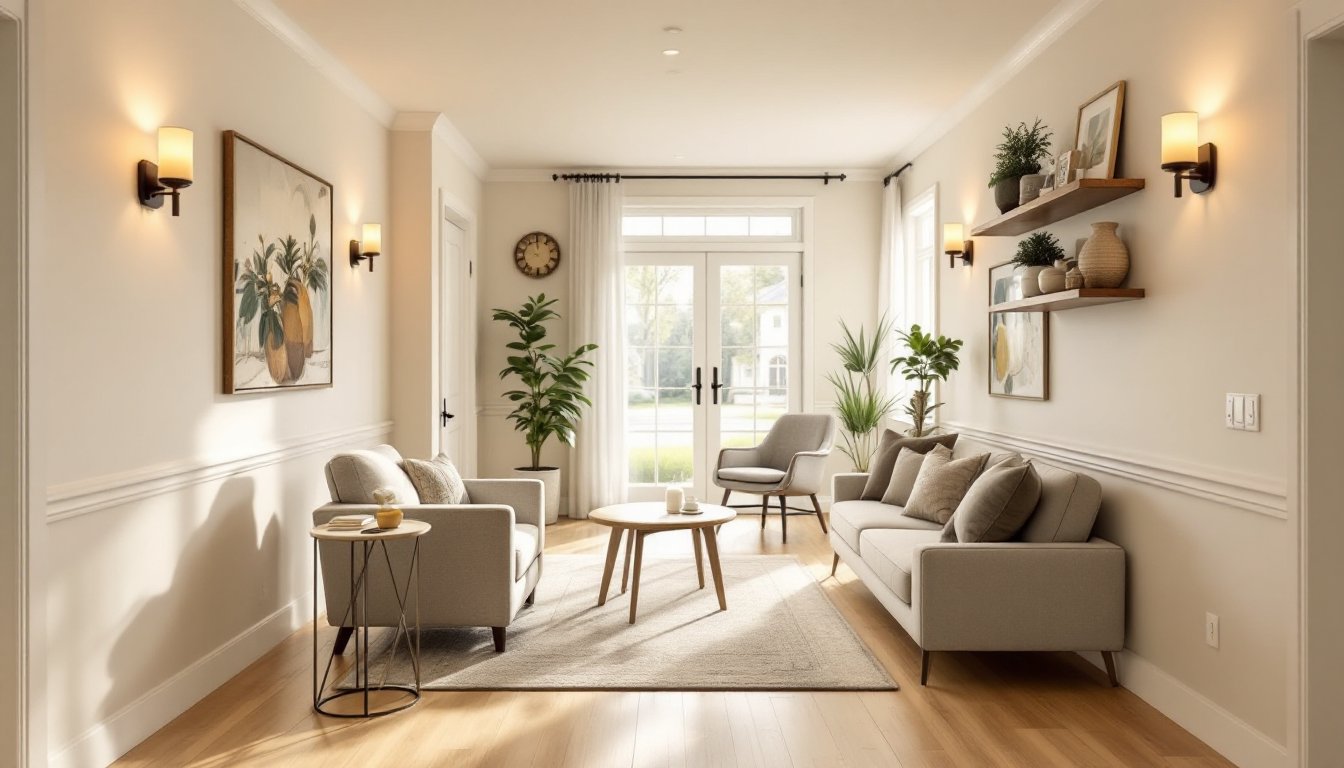
Designing a home for aging in place isn’t about creating an institutional setting or sacrificing style for safety, it’s about being intentional. Senior living interior design blends accessibility, comfort, and aesthetics so that your home supports independence without looking like a medical facility. Whether you’re retrofitting your current space or planning ahead, the right design choices make daily living easier while keeping your environment beautiful and functional. This guide covers the practical decisions that matter most.
Key Takeaways
- Senior living interior design balances accessibility, comfort, and aesthetics to support independence without sacrificing style or feeling institutional.
- Proper lighting (50% brighter than standard spaces) and slip-resistant flooring are critical safety features that prevent falls, the leading cause of injury-related death in older adults.
- Strategic use of color contrast, defined wayfinding elements, and edge-lit stairways dramatically improve navigation and reduce disorientation for aging adults.
- Furniture must prioritize firm cushioning, appropriate armrest heights (24 inches), and clear pathways while maintaining contemporary design that reflects personal style.
- Accessible storage solutions using mid-range cabinets and wall-mounted shelving eliminate reaching hazards while keeping spaces decluttered and functional.
- Thoughtful senior home design directly impacts physical health, mental wellbeing, and dignity by allowing residents to maintain routines and control of their environment.
Why Senior-Friendly Design Matters More Than Ever
Aging in place has become less of a trend and more of a necessity. Many seniors prefer to stay in homes they know rather than move to assisted living facilities. Smart interior design makes that possible. The right layout, lighting, and materials reduce fall risk, ease mobility challenges, and support cognitive function, especially important as vision and balance naturally change with age.
Designing for seniors isn’t just about removing hazards: it’s about creating dignity. A space designed thoughtfully allows someone to maintain their routine, welcome guests, and feel in control of their environment. Studies on aging show that environmental design directly impacts physical health, mental wellbeing, and independence. When a senior’s home supports their needs without drawing attention to limitations, they stay more engaged and confident. This is where intentional design transforms daily life.
Essential Safety Features Every Senior Home Needs
Safety is the foundation of senior-friendly design, but it doesn’t mean stark or clinical. The goal is to eliminate hazards while maintaining warmth and personality in your space. Two critical areas, lighting and flooring, deserve careful attention because they directly prevent falls, the leading cause of injury-related death in older adults.
Lighting and Navigation
Poor lighting is a silent hazard. Seniors need 50% more light than younger adults to see the same detail, yet many homes rely on dim ambient lighting that creates shadows and disorientation. Install bright, even illumination in all pathways, particularly hallways, bathrooms, and staircases. Use LED bulbs rated 3000K to 4000K (warm white to neutral) to avoid harsh glare that causes eye strain or reflection off tile and polished surfaces.
Layered lighting works best: overhead fixtures for general light, task lighting at counters and reading areas, and wall-mounted sconces or nightlights along hallways for nighttime navigation. Consider motion-activated lights in bathrooms and hallways, they prevent stumbling in the dark and keep both hands free. At stairways, edge the steps with contrasting tape or LED strips so each step boundary is clearly visible. This simple addition dramatically reduces missteps.
Flooring and Fall Prevention
Choose flooring that balances slip resistance with easy mobility. Low-pile carpet or luxury vinyl plank (LVP) with a textured surface provides both grip and smoothness for walkers or wheelchairs. Avoid high-pile carpet, throw rugs, or slick tile that can catch wheels or feet. If you have existing hardwood, apply a non-slip finish or add rubberized area rugs with non-skid backing in high-traffic zones.
Eliminate threshold transitions where possible. Where flooring changes, use beveled transitions or ramps rather than abrupt lips that create tripping hazards. Bathroom flooring should be textured and slip-resistant, even when wet. A bathroom with smooth tile and water is a fall waiting to happen. Pair appropriate flooring with grab bars installed at 36 inches height and 1.5 inches from the wall for secure handholds near toilets, showers, and tubs.
Color and Décor That Supports Comfort and Wellbeing
Color isn’t just aesthetic, it serves a functional purpose in senior spaces. Soft, muted palettes reduce visual stimulation and create calm, but the trick is avoiding drab or institutional gray. Think warm neutrals: soft whites, pale beiges, and warm grays paired with accent colors that provide contrast and visual interest.
Use color strategically to improve wayfinding. Painting a bathroom door a distinct color helps someone locate it quickly, and painted baseboards or wall stripes at eye level create visual anchors that aid navigation. Avoid patterns that create optical illusions or busy designs that feel cluttered, they increase cognitive load and can trigger disorientation.
Contrast matters more than color itself. Dark hardware on light walls, light switch plates against darker walls, and defined edges between surfaces all help seniors navigate and function independently. This is where design becomes practical. Interior design inspiration from sources like Home Bunch often showcases beautiful spaces, but for seniors, beauty and function must coexist. Artwork and décor should celebrate personality without creating visual chaos, a few meaningful pieces placed at comfortable viewing heights work better than gallery walls or cluttered shelving.
Furniture Solutions for Accessibility and Style
Furniture in a senior home must prioritize ease of use without sacrificing style. Sofas and chairs should have firm cushioning and armrests at an appropriate height (around 24 inches from the seat) so someone can push themselves up comfortably. Recliners with electric lift mechanisms are practical but don’t have to look clinical, many modern designs blend seamlessly into contemporary interiors.
Table heights matter. Dining tables and work surfaces should accommodate people using walkers or wheelchairs, which means leaving knee space underneath. Standard counter height is 36 inches, but 34-inch tables work better for seated access. Rolling carts and mobile storage let seniors retrieve items without stretching or overreaching, and they’re easy to relocate as needs change.
Minimize tripping hazards by keeping furniture legs visible and arranged to create clear pathways through rooms. Wall-mounted shelving and cabinets reduce clutter and improve mobility. When selecting pieces, prioritize stability, wobbly tables or chairs with narrow bases are dangerous. Storage should be accessible without reaching above shoulder height or bending deeply, so mid-range cabinets and drawers work best. House Beautiful regularly features inspiring interiors that balance beauty with function: the same principles apply when selecting furniture for aging in place. Opt for durable, easy-to-clean fabrics that hide stains and wear well over time. Real-world spaces for seniors often feature timeless, neutral furniture that adapts to changing needs rather than trendy pieces that date quickly.
Conclusion
Senior living interior design is about honest problem-solving wrapped in beauty. Start with safety, lighting, flooring, and grab bars, then layer in comfort through thoughtful color, accessible furniture, and decluttered spaces. Your home should support independence and reflect who you are. With these principles in place, aging in place becomes not a compromise but a genuine choice.