
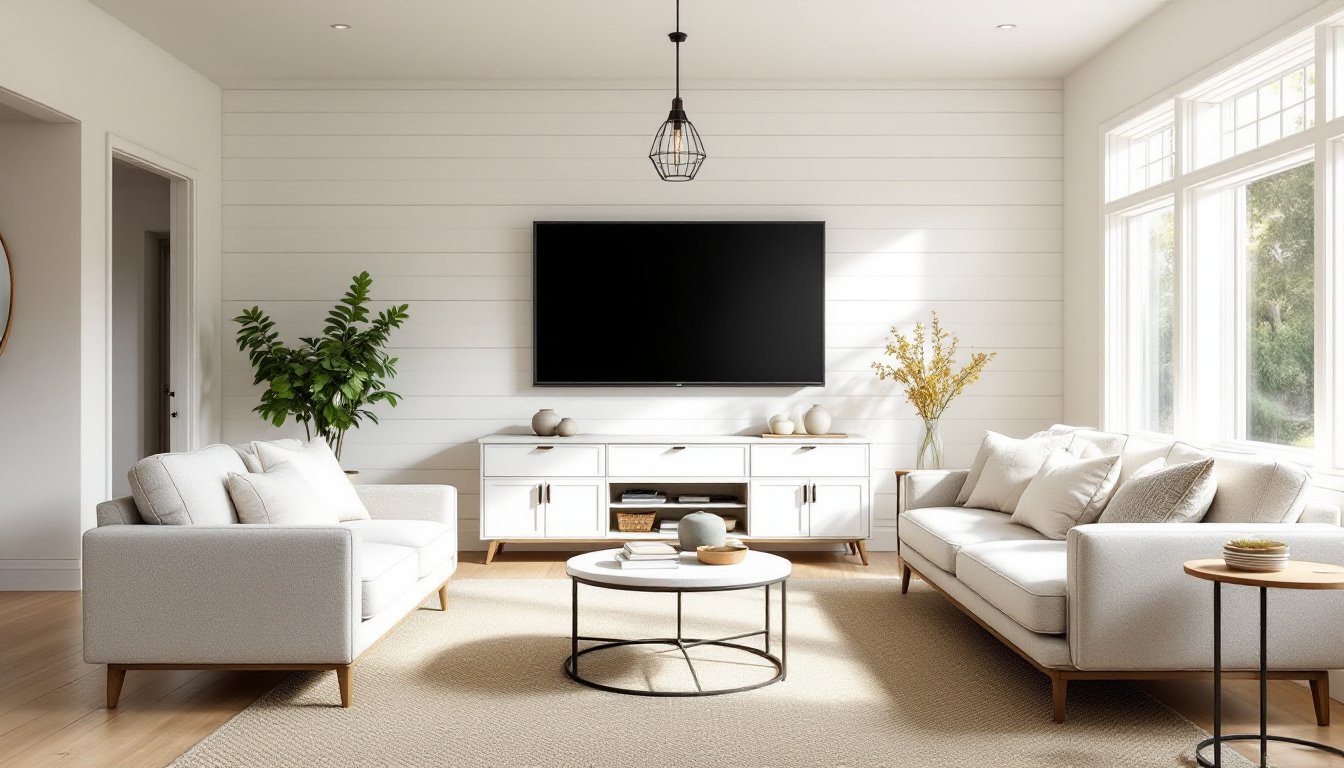
Joanna Gaines has become synonymous with a design approach that feels both warm and intentional, spaces that work hard and look effortlessly polished. Whether you’ve watched her renovate a fixer-upper or scrolled through her design inspiration, her influence on American home aesthetics is undeniable. The good news? You don’t need a Hollywood budget or a film crew to bring her design philosophy into your own home. Her core principles, mixing rustic charm with modern function, favoring timeless materials over trends, and prioritizing purpose in every room, are entirely achievable for the average homeowner. This guide breaks down what makes Joanna’s design tick and shows you how to apply those lessons to your next project, whether it’s a full room overhaul or targeted updates that shift your space’s entire feel.
Key Takeaways
- Joanna Gaines’ interior design philosophy prioritizes function, timeless materials, and intentional choices over trendy aesthetics that fade quickly.
- The farmhouse modern style blends rustic warmth with clean contemporary lines—pair reclaimed wood with minimalist shelving, or exposed brick with modern pendant lighting for authentic balance.
- Neutral color palettes in whites, creams, and warm taupes create a timeless backdrop that ages gracefully and lets architectural details and natural light shine.
- Achieve Joanna Gaines interior design on a budget by starting with high-impact, low-cost updates: paint, hardware swaps, and light fixture replacements ($50–$300 total).
- Functional design comes first—define how each room will be used before selecting finishes, and layer textures and materials rather than relying on pattern or color for visual depth.
Who Is Joanna Gaines and Why Her Design Philosophy Matters
Joanna Gaines rose to prominence as the design force behind HGTV’s Magnolia renovations and later Fixer Upper, where she and her husband Chip transformed dated homes in Waco, Texas, into spaces with both character and livability. What set her apart wasn’t flash, it was restraint. While other designers chased Pinterest-perfect aesthetics, Joanna focused on bones: fixing structural issues, choosing durable materials, and designing rooms that could actually be lived in without fear of staining a white sofa.
Her design philosophy matters because it contradicts the throw-away mentality that dominates home magazines. She asks: What will this look like in five years? Is it built to last? Does it solve a real problem? For DIY homeowners tired of trends that feel stale by next season, that philosophy is refreshing. Her approach teaches that good design isn’t about following rules, it’s about understanding function, respecting materials, and layering in character through thoughtful choices.
The Core Principles of Joanna Gaines’ Design Style
Farmhouse Modern: Blending Rustic and Contemporary
Joanna’s signature look merges elements from rural, vintage aesthetics with clean-lined, contemporary design. A shiplap accent wall pairs with minimalist shelving. Reclaimed wood beams sit above a sleek kitchen island with zero ornamentation. This blend works because rustic elements provide warmth and texture, while modern bones keep spaces from feeling cluttered or costume-like.
When applying this to your home, start by identifying which elements feel genuine to your space. If you live in a 1960s ranch, authentic modern elements (flat-panel cabinetry, open shelving, concrete counters) work better than forcing false beams overhead. Conversely, if your home has original hardwood or interesting architectural bones, let those shine. The balance isn’t about 50/50 split, it’s about intentional pairing. Mix a matte black metal range hood with a marble-topped island. Combine exposed brick with white painted drywall and modern pendant lighting.
Neutral Color Palettes and Timeless Materials
Joanna’s color palette stays firmly rooted in whites, creams, grays, and warm taupes. This isn’t timidity, it’s strategy. Neutral walls act as a backdrop, letting architectural details and natural light do the heavy lifting. More importantly, they age gracefully. A beige wall painted in 2015 still works in 2026 without feeling dated.
Her material choices reflect the same philosophy: shiplap, brick, natural stone, hardwood flooring, and untreated wood shelving dominate her projects. These materials develop patina and character over time rather than looking worn out. When you’re selecting finishes for a project, ask whether they’ll improve with age or just accumulate grime. A brushed bronze cabinet pull looks better after ten years: a chrome one often looks tired. Quality paint in neutral tones ($25 to $45 per gallon for a premium product like Sherwin-Williams or Benjamin Moore) holds color better than budget alternatives. It’s worth the investment if you’re committing to a permanent change.
Bringing Joanna Gaines’ Design Elements Into Your Home
Start with the easiest, most impactful elements: paint, hardware, and textiles. Painting a room Benjamin Moore’s Swiss Coffee or Sherwin-Williams’ Accessible Beige instantly shifts a space’s feel without structural work or permits. These are warm neutrals that don’t veer into pink or yellow, they’re the backbone of Joanna’s palette.
Swap out cabinet hardware and light fixtures next. Dated brass gives way to brushed bronze or black iron handles and knobs. Overhead lighting shifts from ornate crystal to simple, farmhouse-style metal and glass or Edison bulb fixtures. These changes cost between $50 and $300 total, depending on how many fixtures you’re updating, and they register immediately.
For bigger commitments, consider shiplap accent walls or open shelving. Shiplap installation requires basic carpentry skills: measure wall height and width, calculate how many boards you’ll need (typically 1 inch x 6 inch nominal boards, which are actually 3/4 inch x 5.5 inches actual), and nail or screw them horizontally with a stud finder to ensure attachment to studs (the vertical framing members spaced 16 inches on center). A pneumatic nail gun ($20 to $80 to rent) speeds the process. Primer ($15 to $25 per gallon) and paint finish the look, budget roughly $100 to $300 in materials for a 10-foot x 12-foot room, plus a weekend of labor.
Open shelving in kitchens works when items on display, white plates, glass jars, cookbooks, align with Joanna’s aesthetic. Floating shelves anchored to wall studs with heavy-duty brackets support 25 to 50 pounds per shelf, depending on bracket rating. Installation requires a stud finder, level, and a drill with a 1/4-inch drill bit. Avoid shelving in dark, wet corners: open shelving demands thoughtful styling, not storage dumping. Joanna Gaines’ 10 Best Design Tips demonstrate how she layers and stages shelves for maximum impact without clutter.
Creating Functional and Beautiful Spaces
Joanna’s rooms work because function drives design, not the reverse. Before you choose a paint color or order a sofa, ask: How will this room be used? Who uses it? What daily friction points exist?
For kitchens, that means adequate counter workspace, accessible storage, and durable finishes. A waterproof laminate or quartz countertop stands up to spills: a white butcher block looks beautiful but demands care. Budget $40 to $150 per linear foot for countertop installation, which typically requires professional fitting. Ensure your island or peninsula has seating on one side and cooking or prep space on the other, that’s functional modern farmhouse.
Bedrooms benefit from layered lighting: overhead fixtures for brightness, bedside lamps for reading, and wall sconces flanking the headboard for ambiance. A simple wood bed frame in oak or walnut works better than ornate carved versions: it ages better and pairs with any bedding style. Southern Living frequently features bedroom designs that balance comfort with Joanna’s understated elegance.
Living rooms need clear zones: seating arranged for conversation, a focal point (fireplace, large artwork, or feature wall), and storage that hides media cables and clutter. A low-profile white or gray media console keeps the space visually quiet. Add woven ottomans, linen upholstery, and natural fiber rugs for texture without pattern.
Bathroomsrequire careful material selection. Subway tile, marble or stone accents, and polished or brushed nickel fixtures age beautifully. Waterproofing is non-negotiable: use cement board, not drywall, in areas with direct water exposure to prevent mold and structural damage. A simple vanity with open shelving below and a white framed mirror keeps the aesthetic clean. Budget $2,000 to $5,000 for a full bathroom refresh depending on whether plumbing moves.
Throughout all spaces, Joanna Gaines’ Best Design Tips emphasize layering textures, wood, metal, soft fabrics, and ceramic, rather than relying on pattern or color. This approach makes rooms feel curated without looking sterile.
Conclusion
Joanna Gaines’ design legacy isn’t about copying her specific style, it’s about adopting her principles. Build spaces intentionally. Choose materials that improve with age. Blend warmth with clean lines. Function first, aesthetics second. These aren’t expensive or complicated mandates: they’re commonsense guidelines that every homeowner can carry out. Start small: paint a wall, swap hardware, add open shelving. As you work through projects, you’ll internalize the philosophy and trust your instincts on bigger decisions. That’s when a house truly becomes a home.