
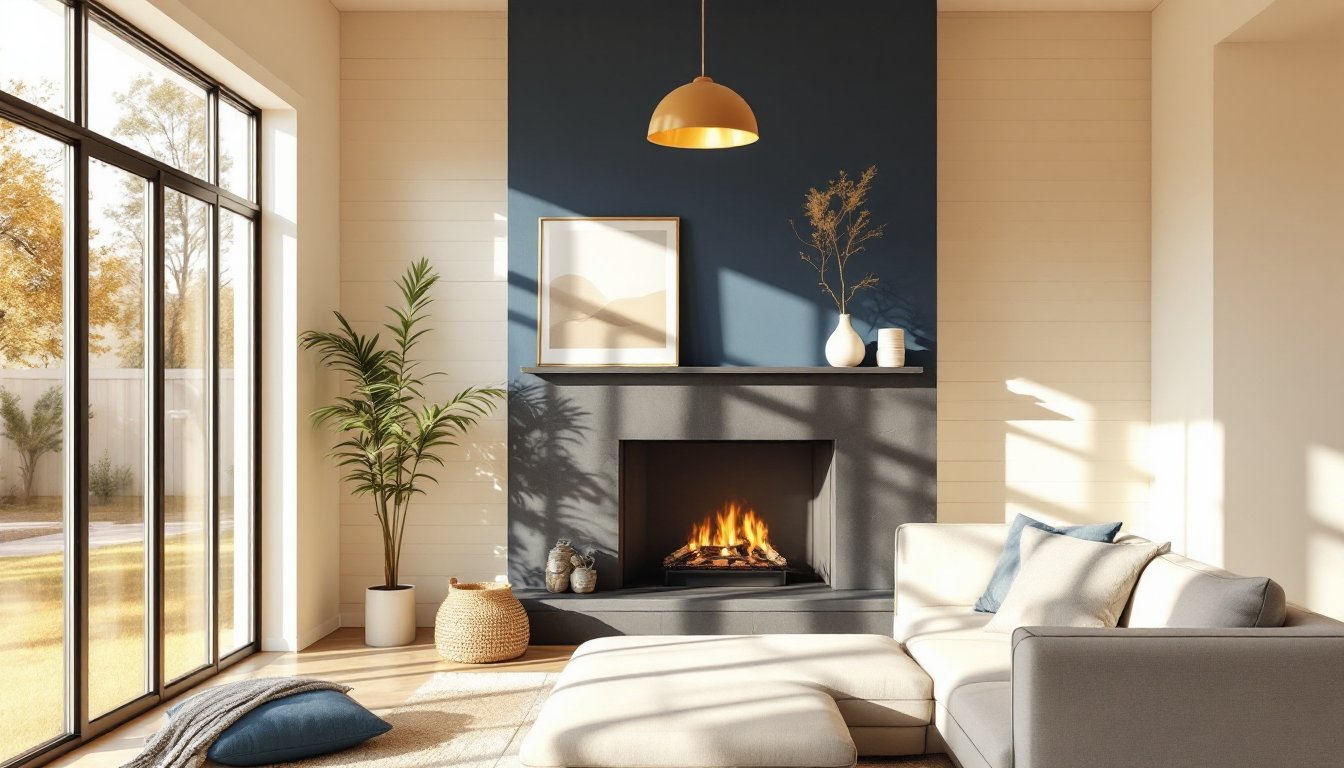
Emphasis in interior design is one of those foundational concepts that separates a lived-in room from a deliberately crafted space. It’s the principle of drawing the eye to a specific area or object, your focal point, and making it impossible to ignore the moment someone walks through the door. Without emphasis, a room can feel scattered, with no clear sense of hierarchy or purpose. Whether you’re working with a statement fireplace, an accent wall, or a carefully placed piece of artwork, understanding how to apply emphasis gives your home direction and intention. This practical guide breaks down what emphasis means, how to create it, and how to avoid the common mistakes that undermine it.
Key Takeaways
- Emphasis in interior design creates a clear focal point by directing the eye to one specific area or object, giving rooms purpose and visual hierarchy rather than a scattered, flat appearance.
- Color contrast, strategic lighting, and architectural features are the primary techniques to establish emphasis—with dark colors advancing visually and warm lighting (2700K–3000K) drawing focus most effectively.
- Each room type requires tailored emphasis strategies: beds anchor bedrooms, fireplaces or gallery walls work in living rooms, islands or backsplashes suit kitchens, and centered chandeliers define dining rooms.
- The most common emphasis mistakes include creating multiple competing focal points, choosing a focal point invisible from where people naturally sit, and over-accessorizing with clutter instead of intentional, minimal styling.
- Proper scaling ensures your focal point feels visually substantial relative to room size without overwhelming the space, and subordinate accents should be smaller, less bold, and positioned away from the main sightline.
Understanding Emphasis as a Design Principle
Emphasis is the deliberate use of visual weight to highlight one element or area in a room. Think of it like the subject of a photograph, everything else supports it, but nothing competes with it. In design terms, emphasis creates contrast, draws attention, and establishes visual hierarchy. A room without emphasis feels flat because the eye doesn’t know where to land. Every object holds equal importance, which paradoxically makes nothing feel important.
Emphasis works by breaking up visual monotony. If every wall is the same color, every surface holds similar furniture, and every corner receives equal lighting, the space becomes forgettable. One strong focal point, whether it’s a built-in bookshelf, an ornate mirror, or a contrasting color, gives the room a heartbeat. The focal point doesn’t have to be the largest object or the most expensive one: it needs to be visually distinct and intentionally placed where the eye naturally settles.
How to Create Visual Focal Points in Any Room
Creating a focal point requires a combination of techniques, and the best approach depends on what architectural features your space already offers. Most rooms have a natural focal point built in, a fireplace, a picture window, or the wall opposite the entrance. Your job is to amplify it or create a new one if the existing options feel weak.
Using Color and Contrast to Draw Attention
Color is one of the fastest ways to establish emphasis. An accent wall, a wall painted in a darker, bolder, or complementary color, immediately directs attention. The key is choosing a wall that’s visible from the room’s entry point and one that doesn’t compete with other elements. If you’ve got beautiful large windows on one wall, don’t paint that wall: instead, paint the wall perpendicular to it to complement the light.
When selecting an accent color, contrast is your tool. Dark colors advance visually, while light colors recede. A deep navy or charcoal against soft neutrals creates drama without feeling overwhelming. Test your paint color with large samples on the actual wall, at different times of day, because natural light shifts how colors read. Remember that paint coverage typically runs 350–400 square feet per gallon, so measure your wall accurately before buying.
Beyond wall color, you can use textural contrast to emphasize an area. Shiplap, stone, wood paneling, or wallpaper applied to one accent wall creates depth and draws the eye through physical variation, not just hue. Homeowners often overlook this approach, but interior design tips confirm that texture alone can anchor a room’s focal point without relying solely on color.
Strategic Lighting and Architectural Features
Lighting is the unsung hero of emphasis. A well-placed pendant light, track lighting, or recessed spotlight over an artwork, sculpture, or architectural detail makes it the visual anchor of the room. Warm lighting (2700K–3000K color temperature) feels inviting and draws focus, while cooler light (4000K and above) feels clinical and diffuse.
Architectural features like fireplaces, built-in shelving, or exposed brick are natural focal points because they’re structural and can’t be moved. If your room has one of these, lean into it. Style a fireplace mantel with intentional accessories, avoid clutter by grouping items in odd numbers (three or five objects create visual rhythm better than pairs). For built-in shelving, use the same principle: layer books horizontally and vertically, add artwork, and leave negative space so the eye can rest.
If your room lacks strong architectural features, you can create a focal point by arranging furniture to face a specific direction. A seating arrangement angled toward a window, artwork, or the room’s natural entry creates implied hierarchy without structural work. This method works especially well in open-plan layouts where traditional focal points are hard to define.
Applying Emphasis to Different Room Types
Different rooms call for different focal-point strategies based on their function and how people use them. In bedrooms, the bed itself is almost always the focal point, it’s the largest piece of furniture and the room’s purpose. Enhance this by adding a statement headboard, positioning the bed to face the room’s best view, or hanging bold artwork above it. A bedroom’s focal point should feel restful, so avoid high-energy colors or busy patterns that fight for attention.
Living rooms are flexible and often have multiple competing elements. If you have a fireplace, make it your primary focal point by arranging seating to face it and keeping the mantel styled with intention. No fireplace? Create one with a gallery wall of artwork or a large mirror. A well-scaled mirror opposite a window bounces light and creates the illusion of depth while serving as a visual anchor.
Kitchens often benefit from emphasizing the island or a statement backsplash. If your island has interesting stools, unique finishes, or a contrasting countertop material, light it strategically and keep surrounding surfaces less visually busy. A backsplash in a bold tile pattern, patterned wallpaper designed for kitchens, or a single accent color draws the eye upward and prevents the kitchen from feeling heavy. Recent design inspiration sources like Dwell showcase how even small kitchens feel intentional when one element clearly anchors the space.
Dining rooms work well with a statement chandelier or pendant fixture as the focal point. Position it centered above the table and ensure it’s scaled appropriately, the diameter of the fixture should be about one-half to two-thirds the diameter of your table. The lighting instantly becomes the room’s anchor, and the table arrangement supports rather than competes with it.
Common Emphasis Mistakes and How to Avoid Them
The most common mistake is creating too many focal points. If every wall is an accent color, if three different artworks command attention, or if lighting highlights five separate areas, the eye bounces around and nothing feels important. Stick to one primary focal point per room, and if you want secondary accents, make them subordinate, smaller in scale, less bold in color, or positioned away from the main sightline.
Another pitfall is choosing a focal point that doesn’t align with the room’s function. In a living room where most time is spent on the sofa, your focal point should be something visible from that seat. If you emphasize a wall that’s hidden behind furniture most of the time, you’ve wasted the opportunity. Think about traffic flow and where people naturally focus their attention, then build your emphasis strategy around that reality.
Scaling is equally important. A tiny piece of artwork on a large, empty wall creates emphasis through contrast, but it can also feel lost. Similarly, oversized furniture or decor in a small room overwhelms the space. The focal point should be visually substantial relative to the room size, without monopolizing it. According to design principles outlined by industry experts, emphasis requires balance, the focal point should stand out, but the rest of the room should still feel intentional and complete.
Finally, resist the urge to over-accessorize your focal point. A fireplace mantel crammed with twenty decorative objects isn’t a focal point: it’s clutter. A gallery wall works when each piece is thoughtfully spaced and items vary slightly in size and medium, creating visual rhythm. Less is almost always more when it comes to emphasis.
Conclusion
Emphasis transforms a generic room into a space with purpose and direction. By choosing one clear focal point, using color, lighting, and scale strategically, and avoiding the common trap of visual clutter, you’ll create rooms that feel intentional and complete. Start by identifying what naturally draws attention in your space, then amplify it, or deliberately create a new focal point that better serves the room’s function. Your home doesn’t need expensive furniture or trendy design to feel well-designed: it needs clarity, and emphasis provides exactly that.