
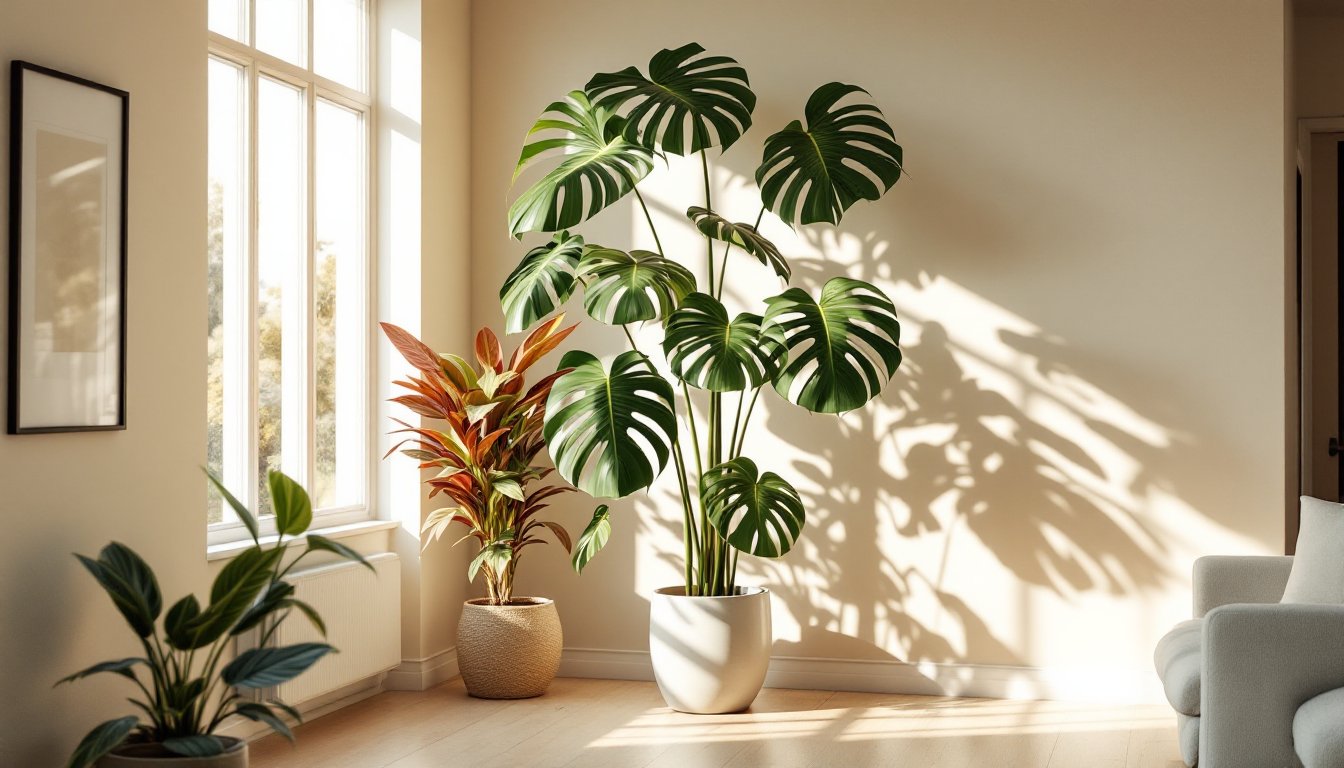
Filling a room with a large house plant is one of the fastest ways to transform a space without picking up a paintbrush or power drill. A tall Monstera or sprawling Rubber Tree commands attention, adds life to bare corners, and instantly makes a home feel more intentional. But here’s the thing: most people assume large indoor plants demand constant fussing, perfect humidity levels, and botanical expertise they don’t possess. That’s simply not true. Many of the best large house plants for beginners are actually harder to kill than smaller varieties, forgiving of neglect, and genuinely rewarding to grow. This guide walks you through selecting, caring for, and styling large house plants that’ll thrive in your home.
Key Takeaways
- Large house plants are surprisingly beginner-friendly and more forgiving than smaller varieties because larger soil volumes buffer against inconsistent watering and retain nutrients longer.
- Top choices for low-maintenance large house plants include Monstera Deliciosa, Fiddle Leaf Figs, Rubber Trees, and Snake Plants—all of which tolerate low light and neglect.
- Proper drainage, bright indirect light, and checking soil moisture with your finger are the three essential care requirements that determine whether large plants thrive.
- Strategic placement in corners, near windows, or entryways maximizes visual impact and makes large house plants the focal point of room design.
- Beyond aesthetics, large house plants improve air quality, reduce stress, and create an immediate sense of intentionality that signals care and effort in your home.
Why Large House Plants Are Perfect for Your Home
Large house plants serve purposes beyond decoration. They’re functional living elements that improve air quality, fill awkward empty corners, and create focal points that anchor a room’s entire design. A single statement plant, whether a six-foot Fiddle Leaf Fig or a sprawling Monstera, does the visual work of an entire shelf of smaller décor pieces.
From a practical standpoint, bigger plants are also easier to maintain than their smaller cousins. Larger soil volumes act as a buffer against inconsistent watering: they dry out more slowly and hold nutrients longer. This makes them forgiving of occasional missed watering schedules, a real advantage for busy homeowners. Also, the return on effort is substantial. One thriving large plant in a living room creates an immediate “done” feeling that small tabletop varieties simply can’t match.
The psychological lift matters too. Greenery in your immediate environment has been shown to reduce stress and boost mood. When that greenery is substantial, a living wall of leaves, the effect is amplified. Large house plants also signal intentionality and care: visitors immediately perceive a home where plants thrive as one where effort and attention go into the space.
Best Large House Plants That Are Easy to Maintain
Not all large plants are created equal when it comes to beginner-friendliness. The champions listed below tolerate low light, irregular watering, and neglect far better than finicky specimens like Calatheas or Birds of Paradise.
Fiddle Leaf Figs and Monstera Deliciosa
Fiddle Leaf Figs (Ficus lyrata) are showstoppers with their enormous, sculptural leaves, each one can stretch over a foot long. They prefer bright, indirect light and should be rotated weekly for even growth. Water when the top inch of soil feels dry: in winter, reduce frequency. Yellowing lower leaves are normal shedding, not a death sentence. The key with Fiddle Leaf Figs is stability: they dislike being moved frequently, so choose their spot and commit.
Monstera Deliciosa (the “Swiss Cheese Plant”) is nearly impossible to kill. Its iconic split leaves develop naturally as the plant matures, creating an architectural quality. Monsteras adapt to low light, though they prefer bright, indirect conditions, and can handle occasional missed waterings. They grow along a moss pole or trellis, reaching 8 to 10 feet indoors. According to 21 types of houseplants that add greenery to your home, Monsteras are among the most popular large houseplants for good reason, they’re visually striking and genuinely reliable.
Snake Plants and Rubber Trees
Snake Plants (Sansevieria trifasciata) are the ultimate low-maintenance large plant. Their upright, architectural leaves can reach 3 to 4 feet, making them perfect for corners. They tolerate neglect, low light, and inconsistent watering better than almost anything. Overwatering is the only real threat. Snake Plants do best in bright light but survive in dim rooms. They’re particularly suited to offices, bedrooms, or any space where you’d like greenery without fuss.
Rubber Trees (Ficus elastica) are lush, sculptural plants with deep-green, waxy leaves that gleam when wiped clean. They grow tall and full, reaching 6 to 10 feet indoors if given room. Rubber Trees prefer bright, indirect light and moderate watering, let soil dry between waterings. They’re more forgiving than Fiddle Leaf Figs, though they also dislike frequent relocating. New growth is often a striking burgundy color before turning deep green, adding dynamic visual interest as the plant matures. Resources like Better Homes & Gardens offer additional styling ideas for showcasing these statement plants in your home.
Essential Care Tips for Large Indoor Plants
Large plants need the right setup to thrive. Start with proper drainage: every plant needs a pot with drainage holes. Without drainage, roots sit in standing water, leading to root rot. Use a quality potting mix formulated for indoor plants, not garden soil, which compacts and doesn’t drain well.
Light is the most common limiting factor. Most large tropicals (Monstera, Rubber Tree, Fiddle Leaf Fig) prefer bright, indirect light. That means light from a window without direct sun rays hitting the leaves for hours. A north-facing window provides gentle, consistent light. East and west windows work if the plant is set back from the pane. South-facing windows can scorch leaves unless diffused with a sheer curtain.
Watering should follow the soil, not a schedule. Check soil moisture with your finger: water when the top inch feels dry. In winter, plants need less water as growth slows. Most overwatering happens in cold months when evaporation is slowest. If leaves turn yellow and soil is soggy, pull back on watering immediately. If leaf edges brown, humidity may be low: mist weekly or place the pot on a pebble tray with standing water (plant sits above water, not in it).
Feeding matters for large plants since they deplete nutrients faster. Use a balanced, water-soluble fertilizer diluted to half strength, applied monthly during growing season (spring and summer). Stop fertilizing in fall and winter.
Wipe leaves monthly with a soft, damp cloth. This removes dust, improves light absorption, and lets you spot pests early. Inspect the undersides of leaves regularly: spider mites and scale insects hide there. Early detection makes treatment simple.
Styling and Placement Ideas for Maximum Impact
Where you place a large plant determines how much visual impact it delivers. A corner plant fills dead space and draws eyes upward, making rooms feel taller. A Monstera or Rubber Tree in a corner is guaranteed to feel intentional and polished.
Near windows, tall plants create a living frame. A Snake Plant silhouetted against bright glass adds architectural interest. Monsteras beside glass doors create a jungle-adjacent vibe while improving the transition between indoors and outdoors.
Entryways benefit from statement plants. Visitors immediately notice a thriving Fiddle Leaf Fig in a foyer, setting the tone for the rest of your home. Choose plants with stable, upright growth habits for high-traffic areas: avoid varieties prone to drooping or requiring delicate handling.
Pairing plants with décor matters. Large minimalist spaces call for specimens with bold leaf shapes, Monsteras and Rubber Trees excel here. Warm, eclectic rooms suit layered plant arrangements: a tall Rubber Tree with lower Snake Plants around its base creates visual depth. Home decor ideas from The Spruce showcase how strategic plant placement anchors entire rooms.
Container choice is functional and aesthetic. Choose pots with drainage holes in sizes proportional to the plant: a tiny pot makes a large plant look precarious, while an oversized pot invites overwatering. Ceramic, concrete, or terracotta all work: style them to match your décor. A neutral planter makes a statement plant the star: a decorative pot can become part of the design if it complements your color scheme.
Conclusion
Large house plants transform spaces with minimal effort when you choose forgiving varieties and set them up for success. Monsteras, Rubber Trees, Fiddle Leaf Figs, and Snake Plants are genuinely beginner-friendly even though their dramatic appearance. Pay attention to drainage, light, and soil moisture, and they’ll reward you with years of lush growth. The payoff, a visibly greener, livelier home that feels intentional and alive, is worth the small investment of care.