
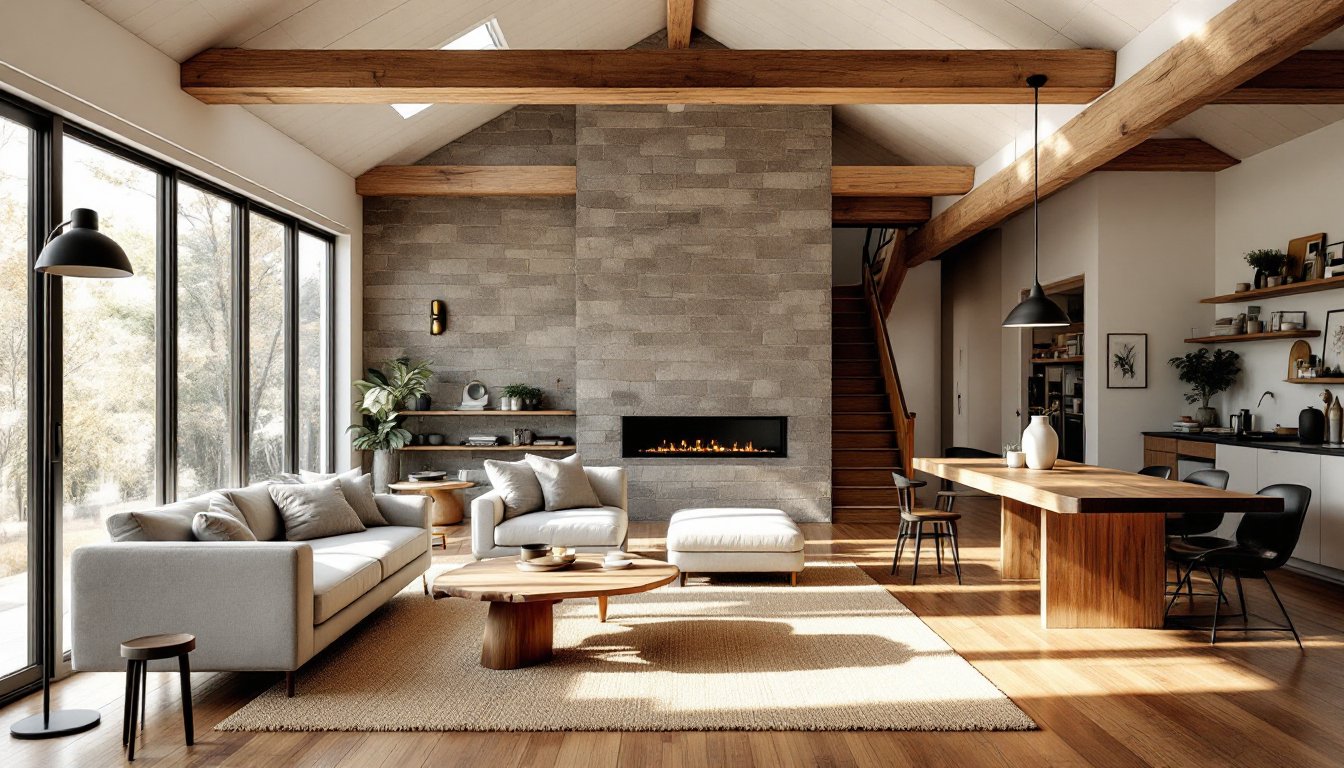
Modern cabin interior design strips away the heavy, rustic clichés and replaces them with clean lines, thoughtful minimalism, and natural materials that breathe. If you’re renovating a cabin or building from scratch, balancing warmth with contemporary aesthetics doesn’t mean cold, soulless spaces, it means being intentional about every piece. This guide walks you through the core principles of modern cabin design, from color selection to furniture choices, so your retreat feels both inviting and refreshingly current.
Key Takeaways
- Modern cabin interior design prioritizes clean lines, honest materials, and functional simplicity while respecting the structure’s natural bones like exposed beams and stone features.
- A neutral color palette of warm whites, soft grays, and natural wood tones provides the foundation for modern cabins, with accent colors reserved for feature walls, textiles, or sculptural pieces.
- Furniture selection should emphasize clean geometry, tapered legs, and purposeful pieces scaled to the space, avoiding oversized items that dominate compact cabin interiors.
- Layered lighting combining ambient, task, and accent fixtures in matte black, brushed brass, and natural wood finishes enhances both functionality and contemporary aesthetics.
- Built-in storage with floor-to-ceiling shelving, simple slab-door cabinets, and vertical wall space prevents clutter and maintains the minimalist aesthetic essential to modern cabin design.
- Natural materials like authentic wood, stone, and concrete should be curated and displayed as design anchors, accepting weathering and imperfections as part of the honest, intentional aesthetic.
Understanding Modern Cabin Design Principles
Modern cabin design is fundamentally about restraint paired with authentic materials. Unlike traditional cabin styles that lean into ornate details and maximal wood paneling, the modern approach respects the bones of a space while editing ruthlessly. You’re not fighting the cabin’s identity, wood beams, stone accents, and natural light are still central, but they’re curated, not cluttered.
The core principle is honest materials: exposed beams are left unpainted and clean-lined, stone appears in feature walls rather than covering every surface, and metal accents feel industrial rather than decorative. Think structural clarity. Load-bearing elements become design features, not hidden infrastructure. Spaces breathe because clutter is minimized. Open floor plans take advantage of natural light and sight lines, which matters in cabins where windows frame views.
Functional simplicity is equally critical. Every piece should earn its place. A coffee table that doubles as storage, wall-mounted shelving that doesn’t block sightlines, and furniture scaled appropriately to the room prevent the cabin from feeling cramped or overstuffed. This is where many DIY cabin renovations stumble, too much stuff, no clear purpose.
Color Palettes That Balance Warmth And Minimalism
The color story of a modern cabin starts neutral and builds intention. A base of warm whites, soft grays, and natural wood tones creates a calm foundation. These aren’t cold, sterile colors, they’re warm neutrals that feel lived-in without being dark or heavy.
Building on that base, limit accent colors to two, maybe three. Deep charcoal works beautifully alongside warm oak: muted sage green pairs well with pale cream and natural stone. The key is restraint. Instead of painting an entire wall, reserve accent colors for a feature wall, textiles, or small sculptural pieces. If you’re working with existing wood paneling or exposed logs, lean into warm grays and creams that harmonize rather than compete.
Paint selection matters more than many DIYers realize. Use a high-quality primer on raw wood or previously stained surfaces, this prevents bleed-through and ensures finish durability. Flat or matte finishes feel more contemporary than glossy, though semi-gloss works on trim and doors. Expect about 300–400 square feet of coverage per gallon depending on surface porosity: cabin interiors often need two coats. Test samples in actual daylight throughout the day, artificial light in a showroom won’t match your cabin’s natural illumination.
Furniture Selection For Comfort And Clean Lines
Modern cabin furniture prioritizes clean geometry and purposeful pieces over decorative bulk. Look for sofas and chairs with tapered legs (not skirted bases), straight edges, and minimal ornamentation. Materials matter: natural leather ages beautifully and hides wear: linen and wool blends offer warmth without weight.
Bed frames should feature simple metal or wood bases with minimal footboard detail. Nightstands, consoles, and tables work best with open undersides rather than enclosed storage, this keeps visual weight down. The goal is a composed, intentional look rather than crowded.
Scale is critical in cabin spaces, which are often more compact than suburban homes. An oversized sectional will dominate and trap you in one zone: instead, choose modular pieces or paired chairs with a small table. Dining furniture should be straightforward, a wood table with simple base and upholstered chairs without heavy skirting. Metal frames (think industrial or mid-century modern styling) pair perfectly with wood, stone, and natural textiles. Avoid trendy, flimsy pieces: modern cabin design is durable and built to last. Invest in solid joinery and real wood rather than particleboard veneered over MDF. Your cabin will be used heavily and needs furniture that handles it.
Lighting Strategies To Enhance Ambiance
Lighting in a modern cabin isn’t about showiness, it’s about layering. Three types work together: ambient (overall room light), task (reading, cooking), and accent (highlighting architectural features or art).
Start with recessed or track lighting for ambient coverage. These fittings are minimal and modern. Avoid elaborate chandeliers: instead, use simple pendant lights with open designs over islands or dining tables. For task lighting, wall-mounted sconces flanking a mirror or beside a bed are both functional and sculptural. Accent lighting might be a small spotlight on exposed beam joinery or subtle LED strips behind floating shelves.
Material and finish choices signal contemporary style: matte black, brushed brass, and natural wood accents feel current. Filament bulbs visible inside clear glass work for a modern farmhouse lean: frosted globes feel more minimalist. Dimmer switches are essential, warm light at dusk shifts the entire mood from workspace to sanctuary. Plan electrical runs before drywall goes up: poorly positioned outlets and light switches undermine even the best design. If rewiring is required, hire a licensed electrician to ensure NEC compliance and safe installation.
Natural Materials And Textures As Design Anchors
Natural materials are the soul of modern cabin design, but they’re applied thoughtfully. Exposed wood beams, stone features, and concrete elements should be authentic, not mimicked with laminate or vinyl. This means accepting wood grain variation, weathering, and natural color shifts, imperfection is part of the aesthetic.
Layering textures prevents the space from feeling sparse or cold. Raw linen on a sofa, a jute area rug, wool throw blankets, and leather furnishings each bring tactile interest. Stone, whether a feature wall, fireplace surround, or bathroom accent, adds permanence and visual weight that makes minimalism feel grounded rather than austere. Live-edge wood shelving or a coffee table top highlights the material’s honesty.
Concrete floors are increasingly popular in modern cabins: durable, low-maintenance, and beautifully neutral. If you’re pouring new concrete or resurfacing existing, ensure proper slope for drainage (important in wet climates), seal the surface to prevent staining, and consider a matte finish rather than glossy. Wood flooring, in wider planks and neutral stains, also reads contemporary when paired with area rugs that define zones. Avoid heavily textured or knotty finishes: clean, consistent wood looks more curated.
Practical Storage Solutions For Modern Cabins
Storage is where most modern cabins fail. Without intentional solutions, clutter creeps in and erases the minimalist aesthetic. Built-in storage works best: floor-to-ceiling shelving with a closed base for clutter and open shelves above for display creates balanced visual interest. Floating shelves require proper anchoring, use heavy-duty wall anchors or mount directly to studs with lag bolts rated for your load. If you’re mounting to drywall, confirm stud locations with a stud finder and drill pilot holes to prevent splitting.
Cabinets should feature simple slab doors (flat front, no raised panels) in wood or painted finishes. Hardware is minimal, recessed pulls or leather straps feel intentional rather than ornamental. Bedroom storage should include wardrobes or closet systems that keep items out of sight: visible clothing undermines the calm aesthetic.
Vertical space is your ally. Wall-mounted cubbies, pegged boards for tools or kitchen gear, and tall, narrow shelving units maximize storage without sprawling footprints. In kitchens, open shelving reads modern but only if contents are curated and aligned (stacked dishes, lined glasses). Avoid open shelving if your cabin is a seasonal retreat prone to dust settling on items.
Bringing It All Together: A Step-By-Step Design Approach
Start by establishing your natural baseline: what materials and architectural features already exist? Exposed beams, stone accents, or wood paneling are anchors you’ll build around, not fight against. Take photos in different light conditions to understand how the space shifts throughout the day.
Next, choose a neutral color palette (three to four colors maximum) and apply it consistently across rooms. This creates flow and prevents visual fragmentation. A warm white, soft gray, and natural wood tone are a reliable foundation. Test paint samples on large poster board and observe them in morning, afternoon, and evening light before committing.
Source furniture intentionally. Resist filling a room quickly: instead, add key pieces, a sofa, dining table, beds, that meet the clean-line aesthetic and scale appropriately. Layer in textures through textiles: area rugs, throw blankets, and linen cushions warm the space without clutter. Modern design inspiration from Design Milk and MyDomaine showcases how these elements work together.
Lighting comes next. Plan ambient, task, and accent layers, installing fixtures before final wall finishes. Open storage last, once furniture is placed, you’ll know exactly what needs hiding and what’s worthy of display. Finally, hang artwork and add plants strategically: they should feel intentional, not random. A few large pieces and potted plants beat scattered small frames and dozens of planters.
If you’re tackling structural changes, removing walls, adding windows, or reworking the foundation, consult a structural engineer or architect. Permit requirements vary by jurisdiction, and load-bearing decisions affect safety and resale value. Dwell’s collection of modern cabins to see how professionals handled similar projects, and consider hiring a designer for one-time consultation if you’re unsure about proportions or flow.