
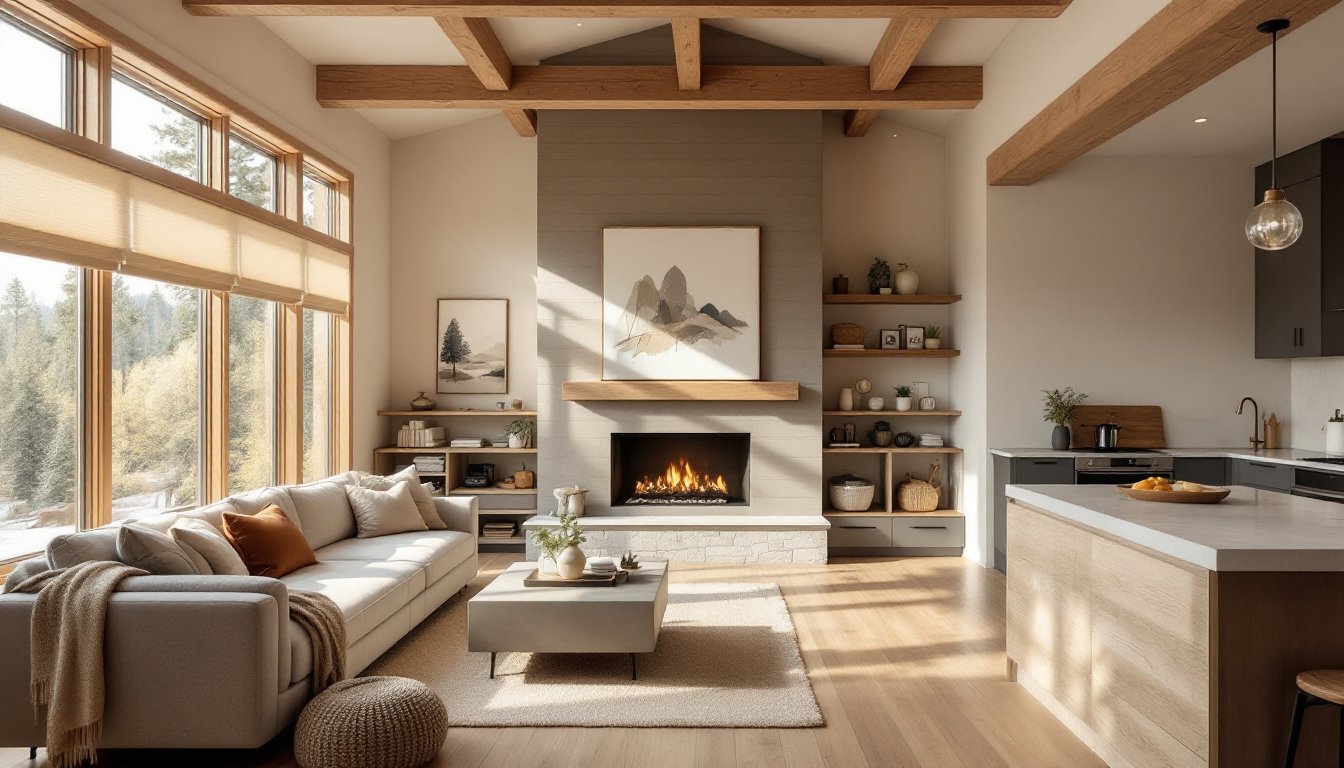
Mountain cabins have evolved beyond rustic hideaways into sophisticated retreats that balance comfort with authenticity. Today’s modern cabin interior design blends clean lines and contemporary elements with the timeless appeal of wood, stone, and natural textures. Whether you’re renovating an existing cabin or designing a new space, this guide walks you through eight practical ideas to create a functional, visually stunning retreat. The key is layering modern sensibilities with cabin warmth, think minimalist palettes, statement fireplaces, and thoughtful material choices that let the landscape shine through your windows.
Key Takeaways
- Modern cabin interior design succeeds by blending minimalist aesthetics with warm wood tones and natural materials that celebrate the structure’s authentic bones.
- Statement fireplaces serve as functional focal points that anchor the room—choose reclaimed brick, slate, or shiplap accent walls to create visual interest without overwhelming the space.
- Layering textures like stone, woven textiles, and weathered wood adds depth and warmth while maintaining a clean, minimalist palette that lets the landscape shine.
- Maximize natural light through strategic window placement and skylights with minimal treatment, prioritizing views and landscape connection over privacy.
- Select matte-finish hardware, brushed brass fixtures, and hidden mechanical systems to blend modern amenities seamlessly with rustic charm and material honesty.
- Design open-plan kitchens and living spaces using authentic materials like concrete or reclaimed wood countertops that echo the cabin’s overall design thread while maintaining functionality.
Embrace Minimalist Aesthetics With Warm Wood Tones
Minimalism and cabin design might seem at odds, but they’re actually complementary. The key is paring down clutter while celebrating the wood structure itself. Exposed timber beams, tongue-and-groove ceilings, and solid-wood wall panels become the décor when everything else steps back. Choose a warm, neutral palette, creams, soft grays, warm whites, that lets the wood grain take center stage rather than competing with it.
Warm wood tones naturally regulate a space’s visual temperature. Rather than fighting the cabin’s structural bones, work with them. If your cabin features dark stained beams, embrace them and use lighter wall colors to balance the room. Avoid over-accessorizing: a few carefully selected pieces, a linen sofa, a concrete coffee table, a single piece of wall art, serve the space better than a crowded mantle or gallery wall. This restraint is what separates modern cabin design from nostalgia-driven cabin kitsch.
Wood flooring is non-negotiable. Wide-plank, light- to medium-toned hardwood creates a clean foundation. If budget allows, hand-scraped or reclaimed options add subtle character without visual noise. Keep area rugs minimal and neutral, natural jute or low-pile wool work well, so wood remains the hero.
Create Cozy Focal Points With Statement Fireplaces
A fireplace is a cabin’s heart, and in modern design it should command attention without screaming for it. Instead of a traditional stone breast running from floor to ceiling, consider a feature wall behind a low-profile fireplace insert. Reclaimed brick, large-format slate tiles, or a floor-to-ceiling shiplap accent wall in warm gray all work beautifully. The fireplace becomes a functional art piece that anchors the room.
Fire-rated materials matter here, building codes require proper clearances and non-combustible surrounds. If you’re installing a new insert or gas fireplace, verify local fire codes and work with a certified installer. A zero-clearance fireplace insert (rated for use close to walls) can simplify the design if your cabin layout is tight.
Furniture arrangement naturally gravitates around the fireplace. A low seating arrangement, a sectional or two chairs with a side table, creates intimacy without blocking the view. Avoid floating furniture randomly: let the fireplace dictate the room’s flow. Real fire or modern gas units both work: gas offers easier maintenance and no chimney sweep calls, while wood-burning has an undeniable appeal if you’re willing to manage ash and creosote.
Layer Textures and Natural Materials for Depth
A modern cabin that relies only on smooth, flat surfaces feels cold. Layering different textures, rough stone, woven textiles, weathered wood, creates visual warmth and tactile interest. This is where a minimalist palette actually shines: without color distraction, texture becomes the primary design language.
Start with wall treatments. Shiplap or board-and-batten adds subtle rhythm. Stone or a stone veneer (real stone on a structural wall: lightweight veneer on drywall) introduces raw, geological character. Mix and match across walls, one shiplap, one stone accent, one concrete or soft plaster finish, to avoid monotony.
Textiles bring softness. Heavy linen curtains, chunky wool throws, and woven ottomans introduce tactile contrast to hard surfaces like concrete floors or steel fireplace surrounds. A wool area rug defines seating zones while adding warmth underfoot. Projects like modern cabin interior design ideas benefit from mixing raw and refined materials, rough-hewn wood alongside polished metal hardware, or rustic pottery with sleek ceramic tile.
Incorporate natural materials beyond wood: slate, granite, terrazzo, and adobe all speak to landscape and regional authenticity. These aren’t just beautiful: they’re durable and develop character over time.
Maximize Natural Light and Windows
Modern cabins prioritize views over privacy. Large windows, sliding glass doors, and strategic skylight placement connect interior spaces to the surrounding landscape. The view becomes your primary décor: window treatments should enhance, not block, that connection.
When planning windows, consider solar orientation. South-facing windows provide winter warmth and light: east-facing catch morning sun. Skylights above sleeping areas or hallways bring natural light deep into the cabin without sacrificing privacy. A skylight with a cellular shade offers insulation in cold months while maintaining the visual connection to trees or sky.
Window treatments in modern cabins lean minimal. Operable cellular shades or roller shades in neutral tones (cream, soft gray) maintain the clean aesthetic. Avoid heavy drapes unless you need blackout capability in a bedroom. For privacy without blocking light, consider a sheer, undyed linen panel that filters harsh sun while maintaining transparency.
Window placement is structural: consult a builder or engineer if removing walls or enlarging openings. Large windows require proper insulation and may need reinforced framing. The investment pays dividends in visual continuity and natural light.
Incorporate Modern Amenities With Rustic Charm
Modern comfort shouldn’t require modern aesthetics. A cabin equipped with radiant floor heating, smart lighting, and high-speed internet can feel entirely traditional if fixtures are thoughtfully chosen. The trick is selecting contemporary amenities that blend visually with the space.
Metallurgical details matter. Choose matte black or oil-rubbed bronze hardware over shiny chrome. Matte finishes pair naturally with wood and stone. Light switches and outlet plates in brushed brass or aged copper disappear into the visual landscape better than white plastic. These details cost a few dollars more but define the cabin’s material honesty.
HVAC and mechanical systems don’t need to advertise. Ceiling-mounted mini-split heat pumps (for radiant heating and cooling) require less ductwork than traditional forced air, leaving wood ceilings uninterrupted. A modern fireplace insert heats efficiently without a traditional wood-burning chimney’s visual footprint. These choices read as practical, not trendy.
Internet infrastructure, recessed conduit, in-wall wiring, and hidden access panels, ensures connectivity without visible cable clutter. Smart lighting on a simple dimmer gives you modern functionality without a complicated wall-mounted control panel. Modern cabin interiors thrive when technology serves the space rather than dominating it.
Design a Functional Kitchen and Living Space
A cabin’s kitchen and living area are working spaces that also define the interior’s character. Open-plan layouts, removing walls between kitchen and living area, are standard in modern cabins, but require load-bearing analysis if walls are structural. Always consult a structural engineer before removing any wall in a cabin.
Kitchen finishes should reflect the cabin’s material palette. Concrete countertops or reclaimed wood counters feel authentic and durable. Stainless steel appliances remain neutral and honest: matte-finish stainless over high-polish reduces visual clutter. Shelving, open or closed, in natural wood or powder-coated steel maintains the design thread. Avoid kitchens that clash with the rest of the cabin by using materials that echo elsewhere in the space.
Sources like interior design inspiration and contemporary design reviews showcase kitchen installations that balance modern function with cabin warmth. Galley kitchens suit smaller cabins and maximize counter and storage without sprawling. Islands work in larger spaces and create a natural gathering point that bridges kitchen and living zones.
Living spaces in cabins benefit from flexible furniture arrangements. Movable seating allows reconfiguration for meals, conversation, or solo time. Low storage, built-in benches, under-window seats, floating shelves, keeps clutter off the floor and sight lines clean. These working spaces anchor the cabin’s functional layout while maintaining visual calm.
Conclusion
Modern cabin design balances restraint with warmth, functionality with character. The framework is straightforward: honor the cabin’s structural materials, simplify your palette, layer textures, and let the landscape speak through windows. This approach works whether you’re updating an existing cabin or starting fresh. The result is a retreat that feels both contemporary and timeless, a place where modern comfort coexists with authentic connection to wood, stone, and the world outside.