
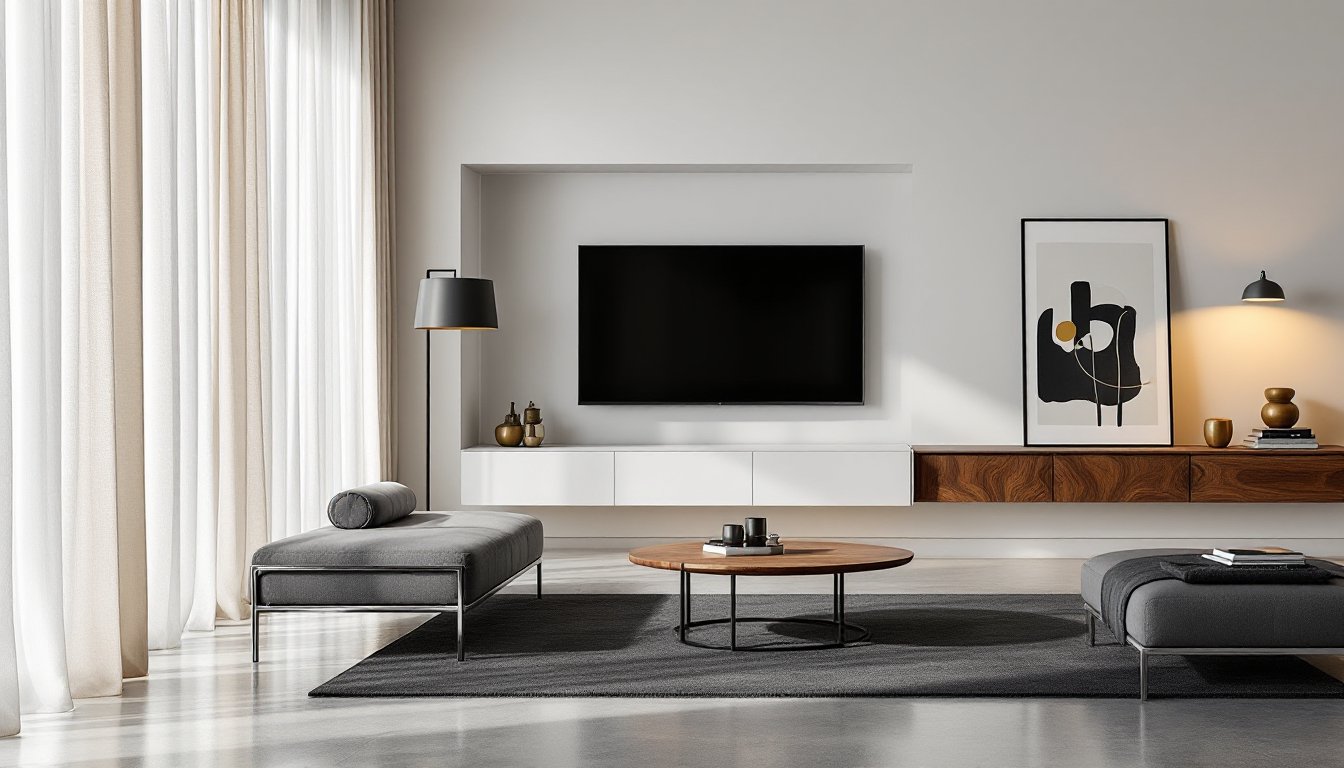
Jet interior design brings the sleek, luxurious aesthetic of high-end aircraft cabins into residential spaces. This sophisticated style prioritizes clean lines, premium materials, and a bold color palette dominated by deep blacks, charcoals, and rich metallic accents. Homeowners and design enthusiasts are increasingly drawn to jet interior design for its timeless elegance and functional beauty. Whether you’re planning a full-home renovation or updating a single room, understanding the core principles of jet design helps you create spaces that feel refined, intentional, and distinctly modern. This guide walks you through the essentials, room-by-room applications, and practical tips for bringing this elevated aesthetic to your home.
Key Takeaways
- Jet interior design prioritizes clean lines, premium materials, and a sophisticated black-gray-white palette with metallic accents—creating timeless elegance without requiring luxury budgets.
- Quality and intentional curation matter more than quantity; jet design strips away excess in favor of high-performance furnishings and purposeful decor that serve functional and aesthetic roles.
- Essential jet design elements include flat-panel cabinetry, polished concrete or dark hardwood flooring, brushed-gold or matte-black hardware, and textiles in leather and performance fabrics.
- Jet interior design adapts seamlessly across rooms—from living spaces with low-profile sectionals and statement lighting to kitchens and bathrooms featuring clean geometry and moisture-resistant materials.
- Start with one room to test the jet aesthetic before committing to a full-home renovation, ensuring the sophisticated style feels authentic and comfortable for your lifestyle.
What Is Jet Interior Design?
Jet interior design draws inspiration from the luxurious, high-performance interiors found in private aircraft and commercial luxury cabins. The style emphasizes efficiency, premium craftsmanship, and a curated use of space, all hallmarks of aerospace design translated to home environments. Unlike maximalist or bohemian aesthetics, jet design strips away excess and celebrates restraint, quality, and purposeful detail.
This design philosophy works because it adapts well to modern living. It feels sophisticated without requiring a mansion or seven-figure budget. The core idea is that fewer, higher-quality elements create more impact than crowded rooms filled with impulse purchases. Think of it as the opposite of “more is more”, jet design argues that intentionality and craft matter far more than quantity.
Key Characteristics And Color Palettes
Jet interior design relies on a signature color story: deep blacks, charcoal grays, and soft whites, anchored by warm metallic finishes, particularly brushed gold, copper, and polished chrome. This palette creates dramatic contrast and visual depth without feeling cold or sterile.
Other defining characteristics include:
- Clean lines and geometric shapes: Furniture and architectural elements favor straight edges, sharp angles, and minimal ornamentation. Think low-profile sofas with metal legs, floating shelves, and streamlined cabinetry.
- Premium materials: Leather, marble, stainless steel, glass, and high-gloss lacquer finishes appear throughout. Natural wood (walnut, oak) in deep stains complements the color palette.
- Layered lighting: Multiple light sources, recessed fixtures, pendant lamps, and accent lighting, create mood and highlight surfaces. Matte black or brushed metal fixtures align with the overall aesthetic.
- Functional accessories: Every decor item serves a purpose. Abstract art, sculptural objects, and carefully curated books replace purely decorative clutter.
- Subtle texture variation: Glossy surfaces pair with matte finishes, smooth leather against woven textiles, and polished metal alongside concrete or stone.
The color palette can shift slightly based on regional trends and personal preference, but the foundation remains: sophisticated neutrals punctuated by metallics and the occasional jewel tone (deep emerald or navy) as an accent. Recent design inspiration from contemporary furniture curators shows that jet design continues to influence luxury residential spaces, proving its staying power beyond the aerospace realm.
Essential Elements For A Jet-Inspired Interior
Building a jet-inspired home starts with intentional selections across five key categories: furniture, finishes, lighting, textiles, and wall treatments.
Furniture and Silhouettes: Choose pieces with clean proportions and minimal skirts or legs. A low-profile sectional in charcoal leather, a walnut coffee table with a brushed-steel frame, or a floating bedroom platform bed all reinforce the jet aesthetic. Avoid ornate detailing, carved legs, or busy upholstery patterns. Instead, let material quality and form do the talking.
Wall Treatments: Solid paint in matte black, soft white, or deep gray is the foundation. For depth, consider a feature wall in high-gloss lacquer (a bold move that echoes aircraft cabin interiors) or textured wallpaper in charcoal or silver tones. Shiplap, paneling, or board-and-batten in white or natural wood also work well as accent treatments. Avoid busy florals, geometric prints, or overly trendy wall coverings that date quickly.
Flooring: Polished concrete, matte-finish tile, dark hardwood (walnut or espresso-stained oak), or luxury vinyl plank all fit the aesthetic. Stainless-steel thresholds or trim details enhance the sophisticated edge. Rugs in solid charcoal, cream, or geometric patterns in black-and-white anchor seating areas without competing visually.
Hardware and Metallic Accents: Cabinet handles, light fixtures, door frames, and decorative objects should coordinate. Brushed gold and polished chrome are the safe, timeless choices. Matte black hardware pairs beautifully with white or light walls. Avoid mixing finishes too liberally, stick to one or two primary metals throughout a room.
Textiles and Soft Furnishings: Leather upholstery, performance fabrics in solid colors, linen, and wool knits dominate. Fur throws, velvet accent pillows in jewel tones, or woven blankets add warmth without clashing. Window treatments should be minimal: floor-to-ceiling curtains in charcoal or cream, or motorized roller shades in matte black or white. Interior designers creating luxury jet interiors rely on similar material hierarchies, proving these choices work in the most demanding design environments.
Applying Jet Design To Different Rooms
Jet design scales elegantly across different spaces. The key is adapting the color palette and material emphasis while maintaining clean lines and intentional curation.
Living Spaces And Bedrooms
In a living room, anchor the space with a low-profile sectional or sofa in charcoal leather or a neutral performance fabric. Pair it with a walnut or black-metal coffee table and a sculptural floor lamp with a matte-black shade. Wall-mount a flat-screen TV within a recessed panel or simple floating media console in white lacquer or natural wood. Add one statement artwork, abstract or minimalist, in black, white, and gold tones.
Flooring could be polished concrete with a charcoal area rug, or dark hardwood. For windows, install floor-to-ceiling linen drapes in cream or soft gray, or matte-black roller shades. A single live-edge walnut shelf mounted on the accent wall displays curated books and sculptural objects. This restraint makes the room feel intentional rather than sparse.
In a bedroom, the bed is the anchor. A low-platform bed with a charcoal upholstered headboard, stainless-steel frame, or simple wood construction works beautifully. Layer with white or cream linens and a textured throw in charcoal wool. Nightstands should be minimalist, perhaps a floating shelf in walnut or a slim metal-legged nightstand. Wall sconces in brushed gold or matte black provide subtle accent lighting without a bulky table lamp.
Keep the wall palette to soft whites, warm grays, or a single deep-charcoal accent wall behind the bed. Window treatments should be blackout shades in matte finishes for sleep and privacy. A rug in soft gray or cream anchors the bed visually and adds warmth underfoot.
Kitchens And Bathrooms
Kitchens benefit enormously from jet design’s material honesty and clean geometry. Opt for flat-panel cabinetry in white lacquer, charcoal gray, or natural walnut with brushed-gold or matte-black hardware. Countertops in polished marble, quartz in charcoal or white, or dark concrete provide visual interest and durability. A white subway tile or large-format porcelain tile backsplash keeps the look timeless. Stainless-steel appliances, matte-black faucets, and pendant lights in frosted glass or matte metal complete the aesthetic.
Island seating can incorporate charcoal upholstered stools with metal bases, minimal, functional, and on-brand. Open shelving (if included) should display only practical items: white bowls, stainless-steel cookware, and a few design-focused serving pieces. This restraint prevents the kitchen from feeling cluttered.
For bathrooms, apply the same principles but with attention to moisture-resistant materials. Flat-panel vanities in white lacquer or natural wood with matte-black or brushed-gold hardware are foundational. Marble or large-format porcelain tile in white, charcoal, or gray creates a spa-like feel. A black or chrome faucet and fixtures round out the material story. Wall-mount the toilet and sink where possible to emphasize clean lines and simplify cleaning.
Lighting is critical in bathrooms, consider recessed fixtures with matte-black trim, or sleek linear sconces flanking the mirror. A matte-black or chrome medicine cabinet (recessed, if structurally feasible) keeps clutter hidden. A single sculptural accessory, a charcoal ceramic soap dispenser or a walnut towel ladder, adds intentional detail without excess. The most luxurious private jet interiors demonstrate how bathrooms and galley spaces shine when distraction is eliminated and every element earns its place.
Conclusion
Jet interior design succeeds because it prioritizes craft, intention, and restraint over trend-chasing. By anchoring your home in a sophisticated black-gray-white palette, selecting durable premium materials, and committing to clean lines and minimal ornamentation, you create spaces that feel timeless and refined. Start with one room, a bedroom or living area, to test the aesthetic and build confidence. The payoff is a home that looks intentional, feels calm, and will never feel dated.