
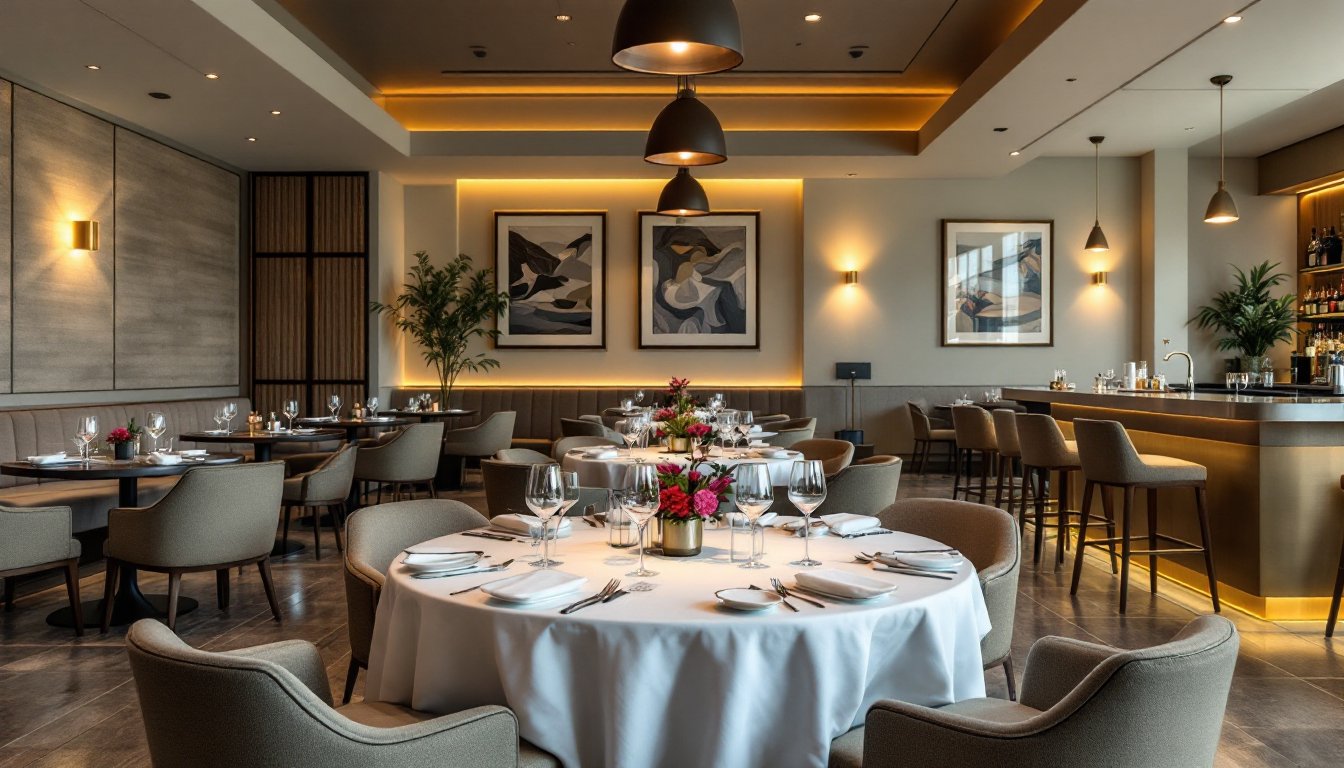
Restaurant interior design isn’t just about making a space look good, it’s about crafting an experience that keeps guests coming back. Whether you’re opening a new establishment, refreshing an existing dining room, or designing a restaurant renovation, the right design choices can directly impact customer satisfaction and your bottom line. The difference between a forgettable meal and a memorable night out often comes down to thoughtful layout, lighting, material selection, and overall ambiance. This guide walks you through the essential fundamentals of restaurant interior design, from foundational principles to budget-smart solutions that work in 2026.
Key Takeaways
- Successful restaurant interior design balances form and function by prioritizing traffic flow, sound control, and sightlines to create an effortless guest experience that directly impacts customer satisfaction.
- Lighting is your most powerful design tool—layer ambient, task, and accent lighting with warm color temperatures (2700–3000K) and dimmers to set the right mood for different times of day.
- Table spacing and furniture selection matter significantly: maintain 42–48 inches between tables for service efficiency, choose high-durability materials like sealed concrete or commercial-grade ceramic tile, and invest in ergonomic, cushioned seating to maximize comfort and dwell time.
- Restaurant interior design improvements like fresh paint, lighting upgrades, and reupholstered furniture deliver outsized returns on investment, often costing under $3,000 while transforming the dining experience.
- Focus your design budget on visible guest areas (dining room, entry, bar) and use strategic color psychology—warm tones stimulate appetite while blues suppress it—to reinforce your restaurant’s concept and brand identity.
- Prioritize longevity over trends by building your restaurant interior design on solid principles and durable materials rather than chasing short-lived trends, ensuring your space stays welcoming and functional for years to come.
Understanding Restaurant Interior Design Fundamentals
Key Principles That Define Successful Restaurant Spaces
Successful restaurant design starts with understanding that form and function must work together. Your dining room layout directly affects service speed, guest comfort, and kitchen efficiency. Begin by mapping traffic flow, how customers move from the entry to their tables, to restrooms, and back out. Poor circulation creates bottlenecks: good flow feels effortless.
Sound control matters more than most DIYers realize when designing a restaurant. Hard surfaces bounce noise, turning a dining room into an echo chamber where guests shout to hear each other. Strategic use of upholstered seating, soft furnishings, and acoustic ceiling treatments cuts reverb significantly. Aim for a gentle ambient noise level around 70–75 decibels, similar to a normal conversation.
Sightlines are another critical principle. Avoid blocking views between tables with massive structural supports or tall barriers. Guests want to feel part of the action without being crowded. Consider booth heights, ceiling clearance, and bar placement carefully. Sightlines also affect perceived spaciousness, even a smaller room feels open when tables aren’t crammed and ceiling heights work in your favor.
Finally, your design should support your restaurant’s operational needs. A fine-dining establishment requires different spacing than a casual pizzeria. Account for table turnover rates, reservation density, staff movement patterns, and any special service requirements. Building in flexibility for different seasons or event configurations is smart planning too.
Creating the Right Ambiance Through Lighting and Color
Lighting is your most powerful tool for setting mood. Harsh overhead fluorescents make any restaurant feel institutional and unwelcoming. Instead, layer your lighting: ambient light (general illumination), task lighting (at tables for reading menus), and accent lighting (highlighting architectural features or artwork).
Warm color temperature lighting (2700–3000K) creates intimacy and appetite appeal. It’s why high-end restaurants avoid cool white light. Dimmers are essential, the same space should feel energetic at lunch and cozy at dinner. Install dimmers on a separate circuit so you can adjust lighting independently from other electrical loads.
Color choices anchor your design identity. Warm neutrals, creams, soft grays, warm browns, provide a calm backdrop and won’t overshadow your food presentation. Accent walls or artwork can introduce deeper tones. Bold colors work if they align with your concept: a vibrant taqueria thrives with warm oranges and reds, while a minimalist wine bar benefits from soft grays and muted greens. Remember that paint on a large wall looks darker than it does on a sample chip, always test large swatches.
Consider how color affects appetite and psychology. Reds and oranges stimulate appetite: blues suppress it (why you rarely see blue in restaurants). Greens feel fresh and organic. Whites and light neutrals evoke cleanliness and simplicity. Paint samples should be tested under your actual lighting throughout the day, as natural and artificial light change how colors read.
Many contemporary restaurants use design principles from sources like Design Milk to balance modern aesthetics with timeless appeal.
Furniture and Layout: Maximizing Comfort and Flow
Table spacing is governed by practical standards and code. Most jurisdictions require a minimum of 36 inches of aisle width for safe passage (check your local fire and building codes, rules vary). Between tables, aim for 42–48 inches to allow servers to work without bumping chairs. Tight spacing feels cramped and creates service delays.
Seating comfort directly affects dwell time and guest satisfaction. Chairs should support backs at 12–16 inches of table height, with cushioning that balances support and softness. An uncomfortable chair, no matter how beautiful, drives guests away. Booths offer privacy and efficiency, they seat more people per square foot, but require fixed floor space and complicate reconfiguration.
Table height matters too. Standard dining tables sit at 30–31 inches high. High-top tables (36–42 inches) work for casual, quick-service concepts. Ensure table surfaces resist stains and scratches: sealed wood, laminate, or polished stone hold up better than unsealed tops that absorb spills.
Bar seating follows different rules. Barstool height varies by counter height: standard bars (36 inches) pair with 24–26 inch stools, while high-tops (42 inches) need 30–32 inch stools. Include footrests at 7–9 inches below the seat for comfort during longer sits.
Layout templates depend on your concept. Fine dining typically spaces tables farther apart and may use a perimeter-focused design, drawing attention toward views or focal points. Casual dining often maximizes occupancy with a grid layout or mixed seating clusters. Fast-casual and quick-service emphasize queue management and minimal furniture. Resources like MyDomaine showcase real-world examples of how different layouts serve different dining cultures.
Choosing Materials and Finishes for Durability and Style
Restaurant environments are tough on materials. Spills, high traffic, and constant cleaning demand finishes that survive wear. Flooring is ground zero. Sealed concrete, polished concrete, large-format ceramic tile, or luxury vinyl plank (LVP) with heavy-duty topcoats all handle restaurant abuse well. Avoid unsealed wood in high-traffic areas, it stains easily and degrades quickly. Grout should be epoxy-based for restaurants: standard grout stains and cracks under heavy use.
Wall finishes need wipeable, stain-resistant surfaces. Semi-gloss or satin paint (100% acrylic, commercial-grade) resists moisture and wipes clean. Matte finishes show dust and stains more readily. Some restaurants use washable wallcoverings or paneling in sections, which hides wear better than full walls of exposed paint.
Surfaces at server stations and kitchen edges take a beating. Use durable laminates, solid surface materials, or sealed wood rather than particleboard finishes. Edge banding should be reinforced to prevent peeling.
Upholstery and soft goods require commercial-grade fabrics rated for high-traffic use. Look for solution-dyed synthetic fabrics or performance blends that resist staining and fade. Count the rubs rating (a fabric durability standard), aim for 50,000+ rubs for booth and chair upholstery. Light colors show stains faster: mid-tone neutrals hide wear longer while maintaining visual appeal.
Explore inspiring examples of materials in action on sites featuring restaurant designs that redefine dining spaces, which showcase how durability and beauty coexist in real installations.
Budget-Friendly Design Solutions for Your Restaurant
Strong design doesn’t require a blank check. Strategic choices let you achieve impact without overspending. Paint is your cheapest design move, a fresh color and quality execution transform a tired space for under $1,000–$3,000 depending on square footage. Accent walls or strategic color blocking multiply impact without full-room commitment.
Refurbish existing furniture rather than replacing everything. Reupholstering booth seating costs 30–50% less than new booths, and the structure often lasts another decade if frames are sound. Chair repairs, recovering seats, tightening joints, extend lifespan significantly.
Lighting upgrades deliver outsized returns. Swapping out institutional fixtures for commercial-grade pendant lights or track systems costs far less than reconfiguring layout but changes ambiance dramatically. LED bulbs cut operating costs long-term: they cost more upfront but last 15,000–50,000 hours compared to 1,500 hours for incandescent.
Layering décor elements, mirrors, artwork, plants, or modest architectural details, creates visual interest without structural changes. A feature wall with paneling, shiplap, or wallcovering costs hundreds, not thousands, and adds perceived polish.
Source secondhand or surplus restaurant fixtures when possible. Commercial supply liquidators, online marketplaces, and salvage yards stock chairs, tables, and lighting at steep discounts. Verify structural integrity before buying, but savings can be 40–60% off new prices.
Consider 1990s Interior Design Trends for proven design strategies that age well and don’t rely on trendy materials, timeless principles save you from costly redesigns in five years. Finally, prioritize visible areas (dining room, entry, bar) over back-of-house and restrooms. Guests notice the space they occupy: staff areas can be more utilitarian.
Conclusion
Restaurant interior design is the intersection of hospitality, functionality, and creativity. By grounding your choices in sound principles, thoughtful layout, strategic lighting, durable materials, and smart budgeting, you build an inviting space that serves your guests and your business. Start with the fundamentals, test color and lighting at real scales, and invest in longevity. The restaurants that thrive decades from now won’t be those that chased every trend: they’ll be the ones built on solid design thinking and genuine hospitality.