
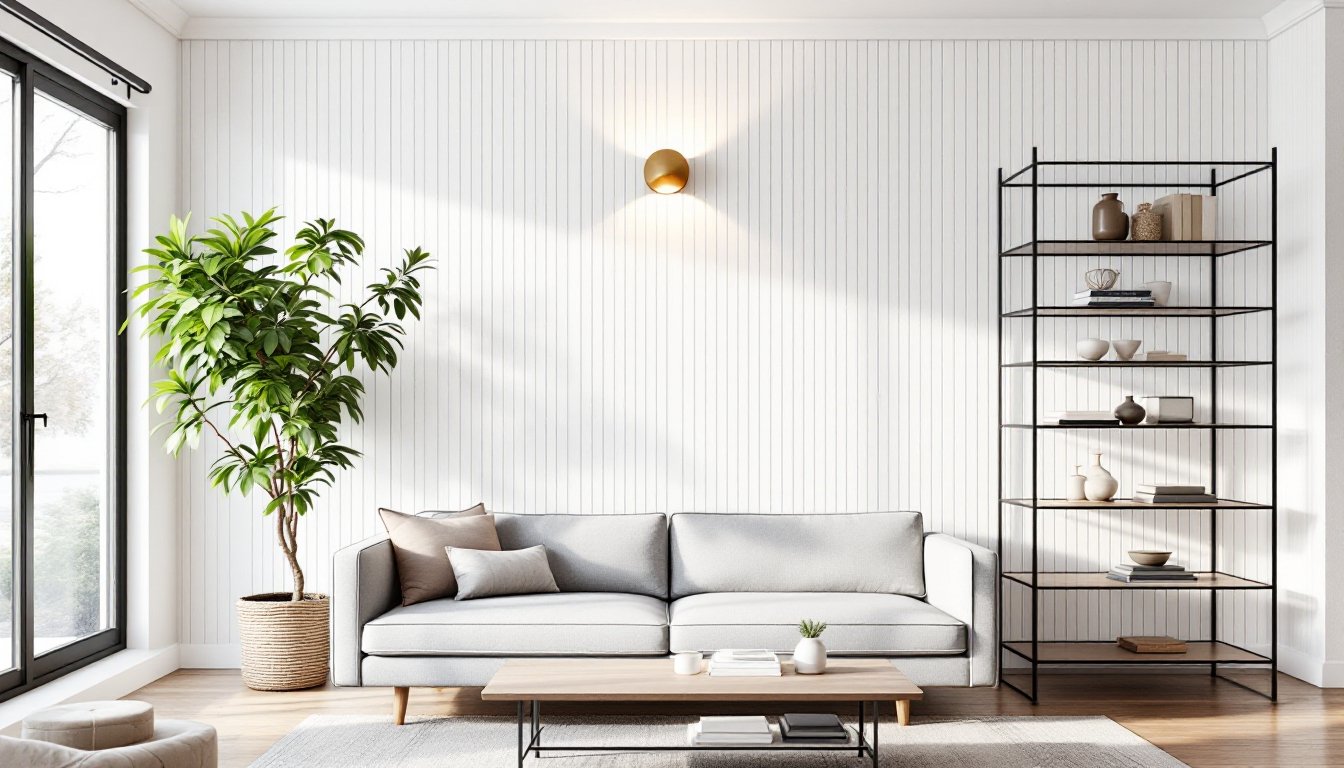
Vertical lines are one of the most underrated design tools in a homeowner’s toolkit. They don’t require paint, new furniture, or a major renovation, yet they fundamentally change how a room feels. Whether it’s wall paneling, tall bookcases, or strategically placed architectural features, vertical lines draw the eye upward, making ceilings feel higher and spaces feel more intentional. This year, as homeowners move away from flat, minimalist aesthetics toward more textured and layered interiors, vertical lines in interior design are making a compelling comeback. Unlike trendy décor that fades in a season, vertical lines are a timeless structural and visual tool that works across styles, from modern farmhouse to contemporary minimalist. Let’s walk through how to use them effectively in your home.
Key Takeaways
- Vertical lines in interior design draw the eye upward, making ceilings feel higher and rooms more intentional without requiring major renovations or costly furniture replacements.
- Using vertical stripes, paneling, or architectural features creates the optical illusion of increased height by giving the eye an upward pathway from floor to ceiling.
- Vertical lines serve as invisible room dividers in open-concept homes, defining zones and separating functions while preserving natural light and openness.
- Cost-effective options like painted stripes, tall mirrors, and vertical tile patterns allow homeowners to add vertical elements at any budget level, from under $50 to $1,200+.
- Pairing vertical lines with horizontal elements like shelves and baseboards creates balanced, layered interiors that avoid feeling claustrophobic or overwhelming.
- Strategic use of lighting and color contrast enhances the impact of vertical elements, with up-lighting and contrasting paint colors making vertical features more visually prominent.
What Are Vertical Lines And Why They Matter In Your Home
Vertical lines are any design element that runs from floor to ceiling or draws the eye upward. Think wall paneling, fluted baseboards, tall mirrors, pilasters (the decorative columns you see framing doorways), shiplap, and even the grout lines in subway tile.
Why do they matter? Our eyes naturally follow lines. Horizontal lines (like a shelf or sofa) feel grounding and calming. Vertical lines create energy and lift, they pull your gaze upward, making a room feel taller and more sophisticated. A room with strong vertical elements feels active and intentional, not flat or static.
Architecturally, vertical lines also serve a practical function: they can hide imperfections, break up blank wall space, and add visual rhythm to a room without cluttering it with furniture or accessories. This is especially valuable in smaller homes where you need every design choice to work overtime.
How Vertical Lines Create Visual Height And Space
A room with 8-foot ceilings can feel cramped if the walls are plain and featureless. Add strong vertical elements, and suddenly that same room feels open and airy. Here’s the psychology: when your eye travels vertically across a wall, your brain interprets that movement as height. The line acts as a visual pathway from floor to ceiling, essentially “stretching” the room proportionally in your mind.
This effect works because contrast matters. A plain white wall tells the eye to stop and rest. A wall with vertical elements, whether it’s painted stripes, wood paneling, or tile grout lines, gives the eye somewhere to go. The eye doesn’t settle: it climbs. This upward movement tricks the brain into perceiving more vertical space, even if the actual ceiling height hasn’t changed.
Painting vertical stripes is one of the quickest tests. Use painter’s tape to create stripes (try 6- to 8-inch widths) and paint them a shade darker or lighter than the wall base. Step back, the room already feels taller. The narrower the stripes, the more pronounced the lift effect.
Using Vertical Lines To Define Room Zones
Vertical lines also work as invisible room dividers in open-concept homes. A tall bookcase running floor to ceiling, or a wall paneled to a certain height, signals to the eye that one zone ends and another begins, without requiring a wall or closing off natural light. This is especially useful in studio apartments or open living-and-dining areas where you want to separate functions without sacrificing openness.
You can also use vertical elements to anchor a seating area or create a feature wall that naturally draws focus. A single wall clad in vertical shiplap or fluted paneling becomes a backdrop for a sofa or bed, organizing the room visually without making it feel smaller.
Practical Ways To Add Vertical Lines To Any Room
The beauty of vertical lines is that you have options at every budget level and skill level. Here are the most effective approaches for homeowners:
Wall Paneling and Shiplap
Vertical shiplap and board-and-batten (painted vertical boards with narrow strips covering seams) are the most visible and impactful additions. Shiplap is traditional: board-and-batten is more contemporary. Both run from floor to ceiling (or at least floor to chair rail height), creating unmistakable vertical rhythm. Installation requires basic carpentry, a miter saw, stud finder, and level are essential. Material costs range from $300–$1,200 depending on room size and wood grade, plus finishing (primer, paint, or stain).
Tall Mirrors and Glass Panels
A floor-to-ceiling mirror or series of floor-to-ceiling glass panels reflects light upward and visually extends the wall, amplifying the height effect. Mirrors don’t require installation skill if you use heavy-duty adhesive strips (command strips rated for mirror weight work well). Leaning a tall mirror against a wall is an even simpler no-commitment option.
Paint Stripes
Vertical stripes are free to test and inexpensive to execute. Use painter’s tape, a level, and two coordinating paint colors. This project takes a weekend and costs under $50. Stripes needn’t be bold, soft, monochromatic stripes (off-white and pale gray, for example) still create height without visual noise.
Vertical Tile Patterns
In kitchens and bathrooms, running tile vertically (rather than in a grid) adds directional energy. Stack subway tiles vertically instead of in a running bond pattern, or use tall, narrow tiles (like 4×12-inch). Grouting (the mortar lines) emphasizes the vertical seams, strengthening the effect. This requires tile work experience or a pro contractor.
Architectural Features
Pilasters framing a doorway, tall baseboards, crown molding with vertical runs, and floor-to-ceiling bookcases all emphasize vertical movement. Some are easier DIY projects than others. Crown molding requires a miter saw and coping skills: bookcases require assembly and secure wall mounting (especially important for weight-bearing and child safety). Always check your local building codes for load-bearing requirements if you’re installing tall cabinets or shelving.
Vertical Lines In Specific Spaces: Kitchens, Bedrooms, And Living Areas
Kitchens
Vertical lines work especially well in kitchens because they can be both functional and decorative. Tall tile backsplashes (running vertically) create visual height above counters while protecting walls from splashes. Floor-to-ceiling cabinetry and open shelving add structural verticality and storage without eating floor space, a key advantage in small kitchens. Vertical paneling behind an island or on one wall breaks up large, flat wall space without requiring a full remodel.
According to design resources like Design Milk, contemporary kitchens increasingly use vertical elements to add visual interest and movement, moving away from purely minimalist, flat-front designs.
Bedrooms
Bedrooms benefit from vertical lines around the headboard and along the walls flanking the bed. A tall fabric headboard or a floor-to-ceiling panel accent behind the bed instantly adds drama and makes the room feel more curated. Wall paneling at full height or to chair rail height adds texture without overwhelming a restful space. Tall lamps on nightstands and floor-standing mirrors also contribute subtle vertical movement.
Living Areas
Living rooms can handle bolder vertical statements. A feature wall clad in vertical shiplap or fluted paneling draws focus and breaks up sofa-wall monotony. Tall bookcases flanking a fireplace create symmetrical vertical frames. Large-scale artwork hung vertically and floor-to-ceiling curtains (hung as close to ceiling as possible) amplify verticality naturally.
For more layered, textured interior design ideas, reference pieces on 1990s Interior Design Trends discuss how pattern and vertical rhythm create visual depth, a principle that remains timeless.
According to Dwell, modern homes increasingly incorporate deliberate vertical architectural elements as a way to add personality and intentionality to open-concept spaces.
Vertical Line Styling Tips For Maximum Impact
Keep Color Purposeful
Vertical lines read louder when they contrast with the background. A white shiplap wall against white paint won’t have the same impact as white shiplap against soft gray. Conversely, if you want subtle sophistication, monochromatic stripes (pale gray on off-white, for example) create height without visual drama. Think about the room’s light levels, vertical elements in shadowed corners won’t read as effectively as those in naturally lit areas.
Balance Scale and Proportion
Narrow vertical stripes make a room feel taller and more energetic. Wider stripes (or larger paneling) feel more grounded and formal. In a small bedroom, narrow stripes or thin paneling boards work better than chunky 12-inch-wide panels that would visually crowd the space. In a tall, open-concept loft, wider panels and bolder vertical elements hold their own.
Don’t Go Wall-to-Wall Unless Intentional
A single accent wall or floor-to-chair-rail paneling is often more refined than covering every wall. Restraint keeps a room from feeling claustrophobic or theme-park-like. Choose one focal point, the wall behind a bed, sofa, or fireplace, and let it anchor the room.
Combine Vertical Lines With Horizontal Balance
All vertical, no horizontal (like a shelf, art ledge, or floating bench) feels unsettled. Pair tall paneling with a simple horizontal shelf or baseboard trim to ground the design. This mirrors good design principles seen across MyDomaine, where balanced, layered interiors avoid feeling one-dimensional.
Use Lighting to Enhance Vertical Elements
Up-lighting along paneling or wall features highlights texture and emphasizes height. Wall sconces mounted at regular intervals along a paneled wall also draw the eye upward as it travels between fixtures.
Conclusion
Vertical lines are a timeless, structural design tool that any homeowner can work with. Whether you’re painting stripes, installing shiplap, or choosing tall bookcases, vertical elements cost far less than a full renovation while delivering proportionally larger visual impact. They work across every style and budget. Start with one wall, one room, or even one small project, paint stripes or lean a tall mirror, and you’ll immediately feel how vertical lines lift a space. Once you understand the principle, you’ll spot opportunities everywhere: in your next tile choice, your next piece of furniture, even in how you arrange wall art. That’s the power of working with your room’s vertical potential.