
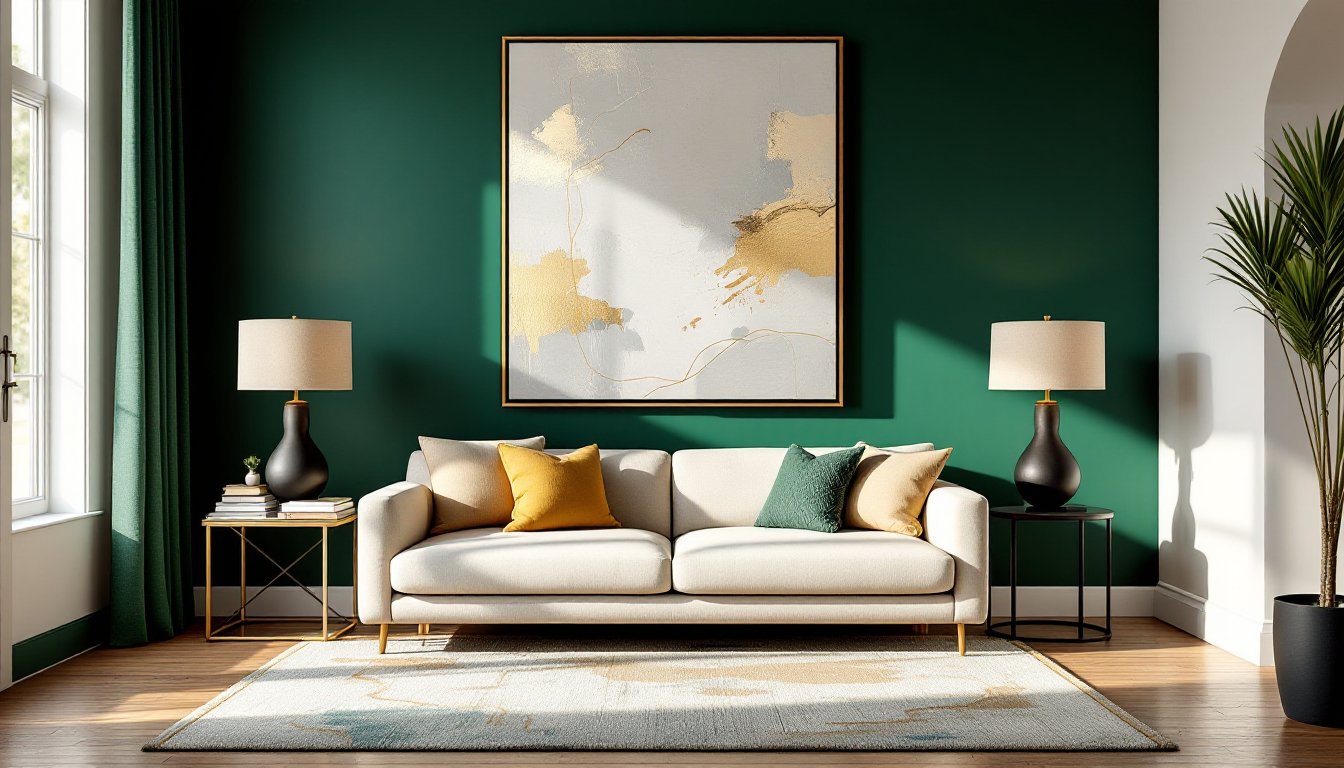
Emphasis in interior design is the strategic use of contrast, color, scale, and positioning to draw attention to a specific element in a room. Think of it as the visual equivalent of the main character in a story, without emphasis, every piece of furniture and decor vies for attention equally, leaving the space feeling chaotic or forgettable. A well-placed focal point gives a room purpose, direction, and visual hierarchy. Whether you’re redecorating a living room, updating a bedroom, or redesigning an entryway, understanding how to create and leverage emphasis transforms an ordinary space into one that feels intentional, balanced, and beautiful. This guide walks through the principles, methods, and practical applications of emphasis so homeowners can design rooms that feel cohesive and purposeful.
Key Takeaways
- Emphasis in interior design creates a focal point that organizes a room visually and psychologically, giving it purpose and intentional direction rather than a scattered, chaotic feel.
- Color contrast, scale, texture, and strategic positioning are the four primary methods for creating emphasis, with the most effective focal points combining multiple techniques rather than relying on just one.
- A well-placed focal point acts as a visual roadmap that guides the viewer’s eye through the room and influences how people move through and perceive the space.
- The most common mistake homeowners make is creating too many competing focal points; instead, choose one primary anchor and let other design elements play supporting roles.
- Position your focal point on the wall opposite the entrance or where the eye naturally lands first when entering the room, as this location requires less additional contrast to succeed.
- Avoid trend-driven design choices and instead build emphasis around your room’s natural advantages—like good lighting, architectural features, or permanent fixtures—that align with how you actually live in the space.
Understanding Emphasis: The Core Principle
Emphasis in interior design refers to the principle of drawing attention to one dominant focal point within a space. This focal point becomes the anchor that organizes the room visually and psychologically. Without emphasis, a room can feel scattered: the eye bounces around without knowing where to rest or what matters most.
Why does emphasis matter? When a homeowner walks into a room, they naturally seek something to focus on, a point of interest that makes the space feel intentional rather than random. A fireplace mantel, an accent wall, a statement chandelier, or a gallery wall all serve as anchors that establish visual order. Emphasis doesn’t mean cluttering a room with decorative objects: instead, it means being deliberate about which element takes priority.
Emphasis works hand-in-hand with other design principles like balance, proportion, and contrast. A focal point isn’t necessarily the largest item in the room, it’s the element that stands out because of color, texture, position, or a combination of these factors. Think of it as visual weight: a small, bright red armchair can command more attention than a large, neutral sofa if the chair is positioned thoughtfully and contrasts with its surroundings.
How Emphasis Guides Your Eye Through A Room
Interior emphasis functions like a road map for the viewer’s eye. When you enter a room with a clear focal point, your attention naturally lands on that element first, then radiates outward to secondary and tertiary zones. This creates a visual hierarchy that feels organized and restful, even if the room contains many objects.
Consider a bedroom with a upholstered platform bed as the main focal point. Upon entering, the eye goes to the bed, then perhaps to accent pillows or wall art above it, then to side tables and ambient lighting. Without that focal point, the eye would ping-pong between the dresser, nightstands, windows, and closet door with no clear landing spot. According to interior design resources at MyDomaine, the most effective focal points work because they combine multiple emphasis techniques, position, color, and scale, rather than relying on just one factor.
Emphasis also influences how people move through and use a space. A well-placed focal point in an entryway draws visitors into the home confidently: a focal point in a dining room (like a statement chandelier) signals where the gathering happens. This psychological component of emphasis often goes unnoticed, but it’s what separates a space that feels welcoming from one that feels awkward or hard to navigate.
Methods For Creating Emphasis In Your Space
Color And Contrast Techniques
Color is one of the most accessible tools for creating emphasis. An accent wall in a bold hue, deep navy, rich emerald, or warm terracotta, immediately draws attention and establishes hierarchy. The contrast between this accent wall and neutral walls surrounding it focuses the eye on that zone. Lighting amplifies this effect: placing a light fixture or ensuring good natural light on the accent wall makes it pop even more.
Contrast doesn’t require bold, saturated colors. A matte black bookshelf against warm white walls, a natural wood feature wall in a room of soft grays, or even a textured wallpaper panel creates emphasis through visual difference. Design experts at Hunker note that the key is intentionality, the accent color or contrast should feel chosen, not accidental.
Textile choices also build color-based emphasis. A vibrant rug or upholstered piece pulls focus and can anchor a seating arrangement. The surrounding furniture and décor should complement this choice rather than compete with it.
Scale, Texture, And Positioning
Scale, the relative size of objects in a room, is a powerful emphasis tool. A large artwork or mirror instantly becomes a focal point through sheer size. But, scale works best when paired with positioning: a oversized piece centered on a wall reads as intentional, while the same piece off-center may feel unbalanced.
Texture creates subtle but significant emphasis. A shaggy rug, a woven wall hanging, or a brick fireplace surround draws attention because it’s tactilely and visually different from smooth surfaces. Mixing textures (matte, glossy, rough, smooth) creates visual interest and guides focus to the most textured element.
Positioning, where an element sits in the room, is arguably the strongest emphasis tool. The wall opposite the entrance is naturally where the eye lands first. Placing a focal point there requires less contrast or color to succeed. Furniture arrangement also matters: a chair angled toward a window or artwork emphasizes that view or piece. In a bedroom, the bed typically anchors the wall that’s visible when lying down, establishing the primary focal point through position alone.
Modern design inspiration at Dwell demonstrates how architects and designers layer these methods, scale, texture, and position, to create rooms where one element clearly reads as most important while secondary elements support rather than distract.
Practical Tips For Applying Emphasis In Every Room
Living Room: Anchor emphasis on a fireplace mantel, a TV wall, or a statement artwork. If the room lacks a natural focal point, create one with an accent wall in a complementary color. Keep surrounding décor minimal so this focal point remains the hero.
Bedroom: The bed is almost always the primary focal point through position and scale. Enhance it with a upholstered headboard, layered bedding in a cohesive color scheme, or artwork hung above. Keep nightstands and other furniture secondary to the bed’s dominance.
Kitchen: A focal point here might be a window with a view, an island with distinctive seating, or open shelving displaying dishware. Keep counter clutter minimal so the chosen focal point stands out.
Entryway: A console table, a dramatic light fixture, or a gallery wall can anchor the entry. This sets the tone for the entire home, so choose a focal point that reflects the home’s overall design aesthetic.
Dining Room: A statement chandelier over the table is the classic focal point. Pair it with a coordinated rug underneath to reinforce the zone’s importance.
For all spaces: Start by identifying your room’s natural advantages, good light, architectural features, or permanent fixtures, and build emphasis around those rather than fighting them. If a window dominates a wall, use that to your advantage instead of trying to compete with it. Ask yourself: “Where should someone’s eye land first when they enter this room?” That answer becomes your focal point, and every other design choice should support it.
Common Mistakes To Avoid When Creating Focal Points
Too Many Focal Points: The quickest way to dilute emphasis is to treat multiple elements as equally important. If the accent wall, statement chandelier, bold rug, and large artwork all compete for attention, none feels like the hero. Choose one primary focal point and let other elements play supporting roles.
Ignoring Proportion: An undersized artwork on a large wall or an oversized mirror in a tiny room disrupts the visual hierarchy. Match scale to the space, large walls need substantial art: small rooms benefit from scaled-down or narrow pieces.
Forgetting Negative Space: Emptiness around a focal point makes it stronger. A clustered, busy arrangement dilutes emphasis. Leave breathing room around your chosen focal point so it can truly command attention.
Clashing Colors: An accent wall in a hue that doesn’t harmonize with the room’s overall palette looks off, not intentional. Before committing to bold color, consider whether it complements existing elements like flooring, trim, and larger furniture.
Poor Lighting: Even the most carefully chosen focal point falls flat without adequate light. If the focal point isn’t well-lit, the eye may skip over it entirely. Ensure the area receives natural light, table lamps, sconces, or spotlighting.
Choosing Emphasis Based On Trends Rather Than Function: A focal point should feel natural to the room’s purpose and the homeowner’s lifestyle. A statement wall might trend on social media, but if it clashes with how you actually live in the space, it won’t feel right. Design for yourself, not for screenshots.