
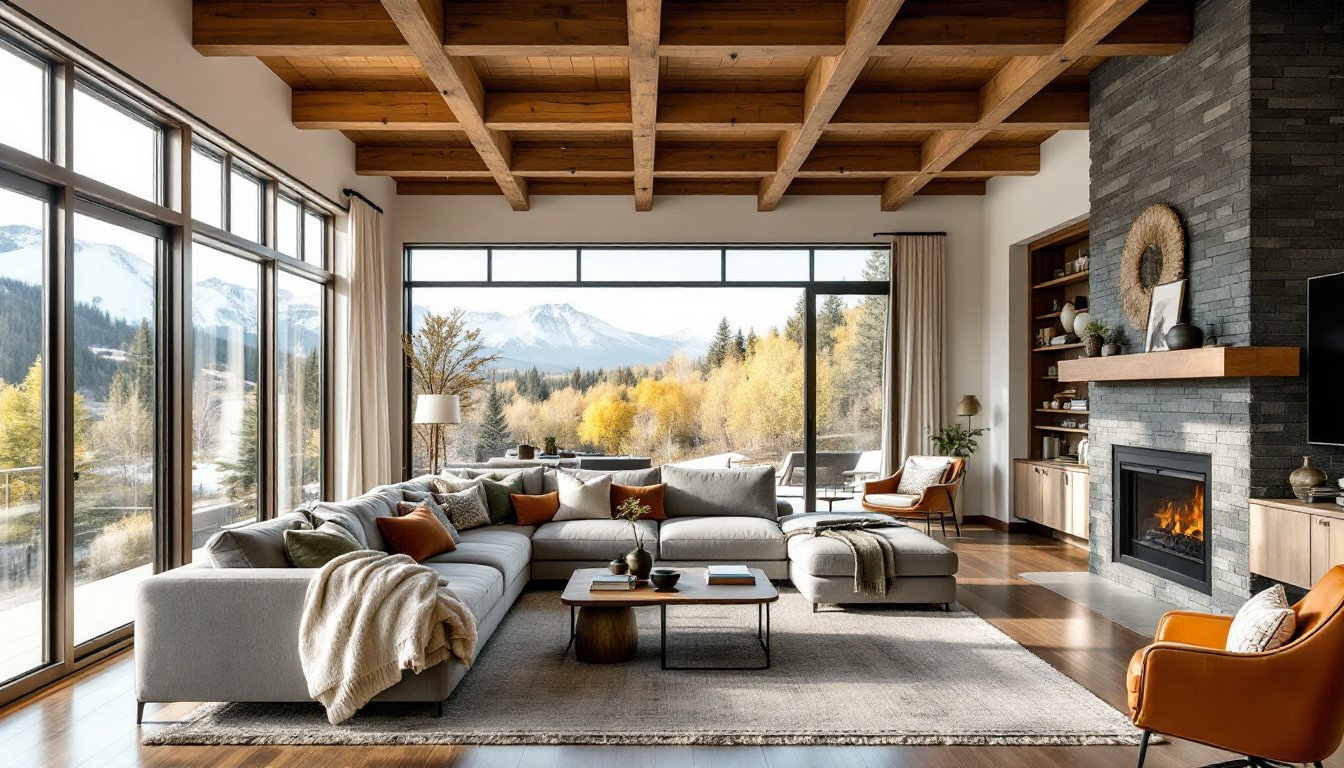
Bozeman’s interior design scene reflects the region’s unique character, where high-altitude wilderness meets contemporary living. Homeowners in and around this Montana mountain town face a distinct design challenge: honoring the rugged landscape and outdoor lifestyle while creating functional, aesthetically cohesive interiors. Whether you’re renovating an older property or designing a new mountain home, understanding how to blend Bozeman’s natural beauty with modern comfort is key. This guide walks you through the principles and practical decisions that make Bozeman interior design both authentic and livable.
Key Takeaways
- Bozeman interior design succeeds by balancing rugged mountain aesthetics with contemporary functionality, using honest materials like unfinished wood, stone, and brushed metals that reflect the surrounding landscape.
- A 70-20-10 color split—70% neutral foundation, 20% secondary accent color, and 10% pop accents—creates cohesive interiors that adapt to seasonal light shifts without requiring constant redecorating.
- Layer textures strategically by pairing rough stone with soft linens, raw wood with wool rugs, and leather furnishings to add visual interest while maintaining Bozeman’s restrained, authentic aesthetic.
- Furniture placement should accommodate the mountain lifestyle by anchoring zones without walls, prioritizing quality pieces scaled to high ceilings, and positioning seating to frame views rather than block them.
- Sustainable design choices like sourcing local materials, investing in durable timeless pieces, and prioritizing energy-efficient windows and passive solar design align with Bozeman’s environmental values and reduce long-term costs.
- Start your Bozeman interior design plan by auditing existing light and views, developing a mood board, sketching furniture zones with measurements, and phasing projects strategically for authentic, livable results.
Understanding Bozeman’s Design Aesthetic
Bozeman’s interior design identity draws from the surrounding landscape: forests, mountains, and seasonal weather that shapes how residents live. The aesthetic balances rustic warmth with clean, contemporary lines, not cabin kitsch, but grounded modernism informed by place.
The core elements include honest materials (unfinished wood, stone, metal), neutral color bases that let natural light and views dominate, and purposeful furnishings that work as hard as they look. Bozeman design avoids unnecessary ornamentation. Instead, it emphasizes quality craftsmanship, local artisan pieces when possible, and furnishings chosen for durability and function.
This approach stems partly from practical needs. Mountain winters are long and unforgiving: homes must retain heat efficiently. Spring brings mud and outdoor activity: interiors need surfaces and layouts that tolerate heavy use. Summer windows flood with light: design must manage glare and heat gain. Year-round, the landscape dominates views, so interior design serves as a supporting frame rather than competing focal point.
Color Palettes That Work for Mountain Homes
Start with a neutral foundation: whites, grays, warm beiges, and soft charcoals. These hues reflect Bozeman’s natural palette, granite, aspen bark, winter skies, and keep the focus on views and incoming natural light.
For accent colors, earth tones work reliably: terracotta, sage green, ochre, and deep blues inspired by the night sky or water features. These colors add warmth without visual clutter. Many Bozeman homes use a 70-20-10 split: 70% neutral walls and large furnishings, 20% secondary accent color (perhaps on a feature wall, cabinetry, or upholstered pieces), and 10% pop accents in textiles, art, or accessories.
Consider the season and light quality. Winter’s harsh, angled light makes cooler grays appear cold: warmer neutrals (greige, warm white) offset this. Summer’s abundant daylight can bleach pale colors, so slightly deeper neutrals hold visual interest. Test paint samples over several days and times of day before committing. The goal is a palette that feels cohesive as light and seasons shift, not one that requires seasonal redecorating.
Incorporating Natural Materials and Textures
Natural materials are non-negotiable in authentic Bozeman design. Raw wood, whether exposed beams, hardwood floors, or reclaimed barn siding, grounds the space and connects interiors to the surrounding landscape. Don’t shy away from wood grain variation or character marks: they’re proof of authenticity.
Stone accents (granite, slate, or river rock) add textural depth and anchor focal points like fireplaces, accent walls, or kitchen islands. Metal finishes work best in matte or brushed finishes rather than polished: think blackened steel, weathered copper, or bronze hardware. These materials age gracefully and resist the overly precious look that kills mountain authenticity.
Layering textures matters more than material purity. Pair rough stone with soft linens, combine raw wood with wool rugs, and add leather furnishings that weather and patina over time. Texture creates visual and tactile interest, which compensates for restrained color palettes. Sources like Homedit showcase architecture and furniture design ideas that demonstrate how layered textures anchor modern mountain interiors.
Furniture and Layout Tips for Rocky Mountain Spaces
Mountain homes often feature large windows, high ceilings, and open floor plans, beautiful but challenging to furnish. Resist the urge to fill every inch. Instead, anchor zones with strategic furniture placement. A substantial sectional, console table, or dining piece creates definition without walls.
Choose furniture scaled appropriately to your ceilings and room dimensions. Small, delicate pieces look lost in a vaulted, open living space: conversely, massive furnishings overwhelm smaller rooms. Aim for quality over quantity, a well-made sofa and a few carefully chosen chairs beat a showroom’s worth of impulse buys.
Layout should accommodate the Bozeman lifestyle. If you’re cooking, skiing, or hiking with family and friends, kitchens need generous counter space and seating for gathering. Living areas benefit from flexible zones: a work nook near a window, a reading corner with good light, and open sightlines to views. Don’t position furniture with its back to a window or mountain vista: let views work for you. Platforms like Dwell feature modern home design ideas and professional advice for open-plan layouts that maintain visual clarity and flow.
Creating Functional, Seasonal Decor
Bozeman’s four distinct seasons warrant thoughtful decor shifts. Rather than radical overhauls, plan flexible layers you can swap or adjust.
Winter calls for warmth: plush throws, deep-pile rugs, and heavier textiles migrate to seating. Lighting becomes crucial, layer ambient ceiling fixtures with table lamps and candles to combat early darkness. Spring lightens the load: put away heavy fabrics, open windows fully, and let natural light dominate. Summer demands consideration of glare and heat: lightweight linen curtains filter harsh midday sun while maintaining views.
Autumn brings peak color outside: interiors can shift to deeper accent tones and richer jewel-box textures before cycling back to winter cozy. Keep a curated collection of seasonal pieces, perhaps 3-4 interchangeable throw pillow covers, a couple of area rugs in different weights, and lighting fixtures that adjust ambiance, rather than storing an entire closet’s worth of decor. This approach keeps visual interest without clutter.
Sustainable Design Choices for Bozeman Homes
Bozeman’s outdoor culture and environmental values favor sustainable design choices. Source materials locally when possible, Montana wood, regional stone, and artisan furnishings reduce transportation impact and support community makers.
Prioritize durability and timeless aesthetics over trends. A solid wood table or wool rug costs more upfront but lasts decades, avoiding the waste cycle of disposable furniture. Choose certified sustainable materials (FSC wood, organic textiles) where budget allows. Reclaimed or salvaged wood and stone add character while reducing resource extraction.
Energy efficiency isn’t just environmentally sound: it’s practical for mountain climates. Invest in quality windows with low-emissivity coatings, proper insulation, and efficient HVAC systems. Design layouts that capture passive solar gain in winter and provide shading in summer. These choices reduce long-term utility costs and align with Bozeman values. Resources like HGTV offer home design inspiration and renovation guidance that explores both aesthetic and sustainable approaches to interior spaces.
Bringing It All Together: Your Bozeman Interior Design Plan
Start by auditing your existing space: note light quality at different times of day, identify your best views, and assess your lifestyle patterns. Do you cook heavily? Work from home? Entertain frequently? Design follows function, not the reverse.
Develop a mood board, collect paint samples, fabric swatches, photos of materials you love, and furniture inspiration. Live with these pieces for a week or two: your gut response matters. Sketch out zones and furniture placement, measuring existing pieces and doorways to ensure fit.
Prioritize projects in phases. If starting fresh, begin with flooring and wall treatments, then layer in larger furniture and lighting, finally adding textiles and accessories. If renovating an existing home, tackle structural or cosmetic work (painting, refinishing floors) before shopping for new pieces.
Remember: Bozeman interior design succeeds when it feels inevitable, like the home couldn’t exist anywhere else. That sense of place comes from respecting the landscape, choosing honest materials, and designing for how you actually live. Start with these principles, trust your instincts, and adjust as you inhabit the space.