
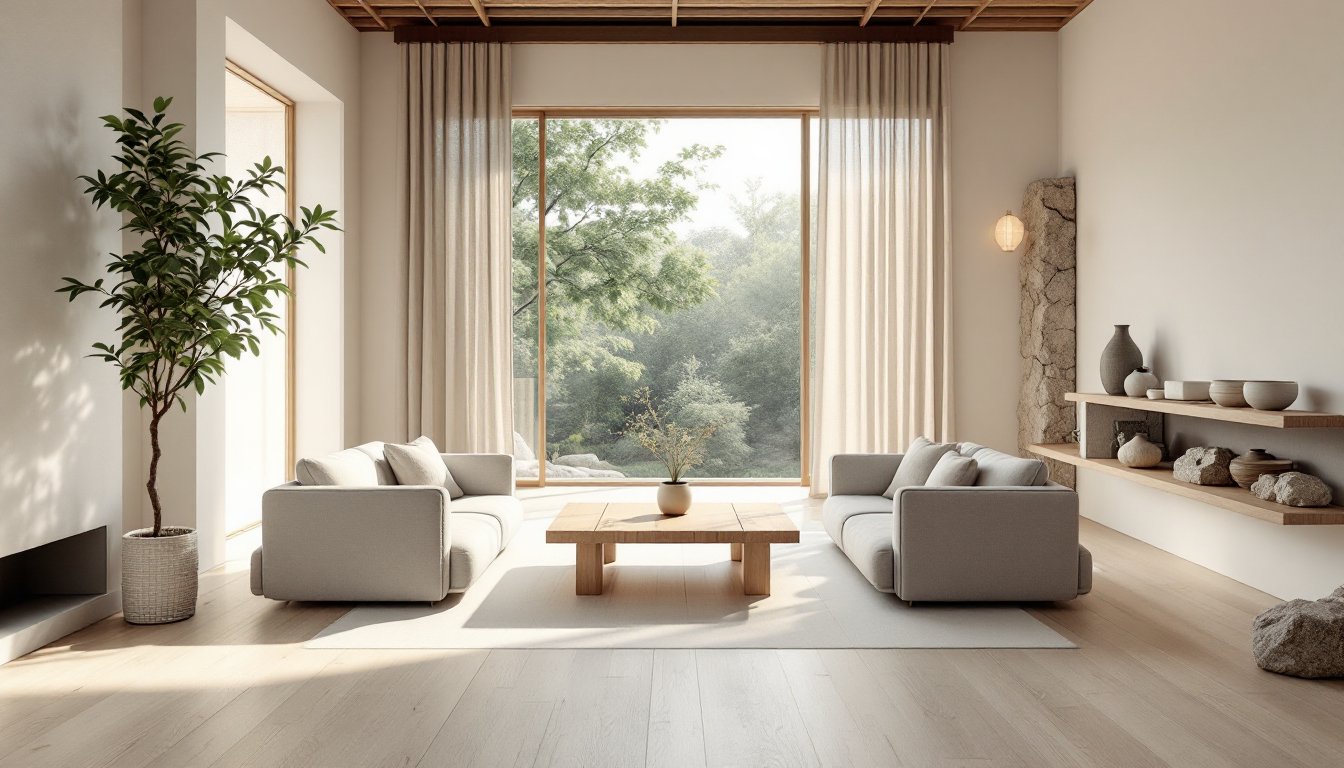
Zen Japanese interior design isn’t just a trend, it’s a philosophy translated into living space. For homeowners tired of clutter, excess, and visual noise, this approach offers a refreshing alternative that prioritizes calm, purpose, and natural beauty. Rather than filling rooms with trendy furniture or trendy decor that’ll feel dated in five years, zen design focuses on what truly matters: proportions, materials, light, and breathing room. Creating a zen home doesn’t require expensive renovations or a complete redesign. With intentional choices about color, layout, and furnishings, any homeowner can transform ordinary rooms into sanctuaries that reduce stress and invite contemplation. This guide walks through the principles, materials, and practical steps to bring zen Japanese interior design into your home.
Key Takeaways
- Zen Japanese interior design prioritizes intentional simplicity, natural materials, and negative space to create calming sanctuaries without expensive renovations.
- Core principles like ma (empty space), wabi-sabi (appreciating imperfection), and minimalism focus on clarity and purpose rather than decoration or trend-chasing.
- Natural materials such as light wood, stone, bamboo, and unbleached textiles combined with earth-tone color palettes create visually restful, timeless spaces.
- Asymmetrical balance and floating furniture arrangements maintain visual flow and breathing room while preserving clear pathways through your home.
- Zen spaces incorporate layered natural light through shoji screens and soft fixtures, intentional plants, and water elements to ground the design in nature.
- Start with one room and refine gradually, resisting the urge to fill empty space—true zen freedom comes from thoughtful subtraction rather than addition.
Understanding Zen Philosophy And Its Core Principles
Zen philosophy emerged from Buddhism and centers on simplicity, mindfulness, and the beauty found in imperfection. In interior design, this translates to intentional spaces free from unnecessary ornamentation. The goal isn’t asceticism, it’s clarity. Every object in a zen room should earn its place by either serving a function or supporting visual harmony.
Core principles include ma (negative space or emptiness), wabi-sabi (the appreciation of impermanence and imperfection), and shoji principles (light filtering through translucent screens). These concepts work together to create environments where the eye can rest and the mind can settle. A zen room feels spacious not because it’s large, but because it’s uncluttered. Think of it as the opposite of maximalism: where maximalism says “more is more,” zen says “less is enough.”
Understanding these principles means recognizing that zen design isn’t cold or sterile. A room with weathered wood, a single piece of art, and soft natural light can feel warmer and more inviting than one packed with decorative items. The philosophy respects human-scaled comfort while rejecting excess.
Minimalism And Simplicity In Japanese Spaces
Minimalism is the backbone of zen Japanese interiors, but it requires discipline. It means editing ruthlessly, keeping only what serves a purpose or brings genuine joy. This isn’t about stark emptiness: it’s about intentional selection.
Start by removing items that no longer fit your life. Furniture should have clean lines and modest proportions: avoid oversized sectionals or statement pieces that dominate a room. Horizontal furniture, low tables, platform beds, benches, anchors zen spaces and draws the eye across the room rather than up. Storage in zen homes is often hidden or integrated: open shelving displays only curated items, never crowded displays.
Color palettes stay restrained: neutrals like white, gray, beige, soft black, and warm taupes dominate. This doesn’t mean monochrome, varying textures and materials within this palette create visual interest. Walls are often plain, allowing architectural details and material textures to speak for themselves. A single accent color (muted greens, soft blues, warm terracotta) may appear in small quantities, a cushion, a small art piece, or a plant pot, but never overwhelms the space. Simplicity means every choice is visible: there’s nowhere for clutter or poor choices to hide.
Essential Elements: Color, Materials, And Textures
Natural Materials And Earth Tones
Zen design favors raw, natural materials that age gracefully and connect inhabitants to the natural world. Wood is foundational, typically lighter tones like ash, birch, or pale oak, though darker woods appear in smaller accents. Look for wood with visible grain: the imperfections are features, not flaws, reflecting wabi-sabi principles.
Stone, slate, granite, or simple concrete, works beautifully for flooring or accent walls. Bamboo appears in flooring, screens, or furniture: its grain and slight irregularities add warmth. Natural fibers like linen, cotton, hemp, and wool dominate textiles. Rough linen curtains filter light softly: wool area rugs (in neutral tones) ground seating areas. Avoid synthetic fabrics: they feel plastic and clash with zen’s earth-grounded aesthetic.
Earth tones, creams, warm grays, soft blacks, soft browns, and muted greens, create a palette that feels grounded and timeless. These colors reduce visual stimulation, allowing the eye to rest. Unlike trends that shift annually, earth-tone zen spaces feel relevant in 2026 and beyond. You can find inspiration in how contemporary design approaches natural materials to understand modern applications of these timeless elements.
Texture variation matters enormously. Rough stone, smooth wood, soft linen, and weathered ceramics create tactile interest without relying on color or pattern. Running your hand across a surface, textured plaster, wood grain, or a handwoven textile, becomes a small sensory experience that reinforces mindfulness.
Creating Flow And Balance With Negative Space
Negative space, the empty room around objects, is as important as the objects themselves. In zen design, blank wall space isn’t wasted: it’s essential. Grouping furniture in the center of a large room, leaving perimeter walls open, creates a sense of calm expansiveness. The eye travels through space without obstruction, and the mind perceives freedom.
Balance in zen rooms is often asymmetrical, reflecting natural landscapes. A single tall plant in one corner, a low bench against the opposite wall, and an accent piece on a high shelf create visual equilibrium without mirror-image matching. This asymmetry feels more organic than the perfect symmetry many Western designs favor.
Pathways matter too. Arrange furniture so movement through a room feels natural and unobstructed. A clear sight line from doorway to window, uncluttered by items, invites you deeper into the space. Group seating loosely rather than creating a tight cluster: this encourages conversation while maintaining personal space and visual breathing room. Floating furniture, pulled away from walls, often works better than pushing everything to perimeter, as it creates a more intimate zone while leaving surrounding space visible and open.
Furniture Selection And Arrangement For Zen Living
Furniture in zen spaces should be functional, beautifully proportioned, and restrained in number. A single well-made wooden table beats three decorative ones. A platform bed with natural wood frame and simple linen bedding replaces an ornate headboard and patterned comforter. Seating might consist of two low-slung chairs and a single bench, enough for gathering without overstuffing the room.
Look for pieces with simple joinery visible, mortise and tenon joints, exposed wood pegs, rather than hidden fasteners. Japanese-inspired furniture often features low profiles (closer to the ground) and clean lines. Mid-century modern and Scandinavian designs align naturally with zen principles because they share minimalist DNA. When shopping, ask: does this piece do something my home needs, or am I buying because it’s pretty? One excellent sofa in natural linen outlasts and outperforms five mediocre pieces.
Storage hides clutter while keeping daily items accessible. Built-in shelving with closed cabinet doors, or a low wooden chest that doubles as a side table, keeps surfaces clear. Japanese tansu chests, wooden storage boxes with drawers, combine function and beauty. Avoid open shelving displaying collections: instead, store items away and rotate what’s visible seasonally. Arrangement should encourage walking paths and visual flow: never block windows or create dead zones filled with furniture you don’t actually use. Home styling guides demonstrate how thoughtful furniture placement enhances both aesthetics and livability.
Bringing Nature Indoors: Plants, Water, And Light
Plants ground zen spaces in the living world, but select them intentionally rather than scattering them everywhere. A single tall plant in a corner, a few low potted specimens on a shelf, or a bonsai on a display stand create focal points without clutter. Stick to plants with simple forms, snake plants, bamboo, peace lilies, pothos, rather than bushy or highly patterned foliage. Containers matter: plain ceramic, unpainted wood, or simple glazed pots in neutral tones. Avoid decorative pots with patterns or bright colors.
Water elements introduce sound and movement. A small tabletop fountain, a birdbath visible through a window, or even a narrow indoor stream (in homes where plumbing allows) add sensory richness. The gentle sound of moving water masks exterior noise and promotes relaxation. If a fountain seems excessive, a large bowl of water with floating flowers provides similar visual calm.
Light is perhaps the most transformative element. Harsh overhead fixtures conflict with zen principles: instead, layer natural and soft ambient light. Shoji screens diffuse harsh sunlight into gentle, filtered illumination. Paper lanterns, soft-glow pendant lights, or low-level LED strips create warmth without glare. Consider blackout curtains in natural fabrics for bedrooms, and lightweight linen for living areas that allow light in while softening its intensity. Position seating where natural light reaches without glare, and leave window treatments minimal so views of outdoors remain visible. Homes that successfully blend these elements demonstrate how zen design creates contemplative spaces in real-world settings.
Building Your Zen Space: Practical Next Steps
Creating a zen Japanese interior doesn’t happen overnight, and it shouldn’t. Start with one room, a bedroom or home office, and apply these principles methodically. Remove items that don’t align with your vision, invest in one or two quality pieces, and let the space breathe. Resist the urge to fill emptiness: that quiet is the goal.
Carry out changes gradually, noticing how each adjustment affects how you feel in the space. Does that extra chair serve you, or does the room feel better without it? Is the color palette cohesive, or does that bright artwork pull focus? Zen design is responsive, it adapts to how you actually live.
As you refine your space, you’ll discover that zen Japanese interior design isn’t about restriction: it’s about freedom. A serene, uncluttered home becomes a refuge from external chaos, a place where your mind can rest and your creativity can flourish. That’s the true benefit of bringing zen principles indoors.