
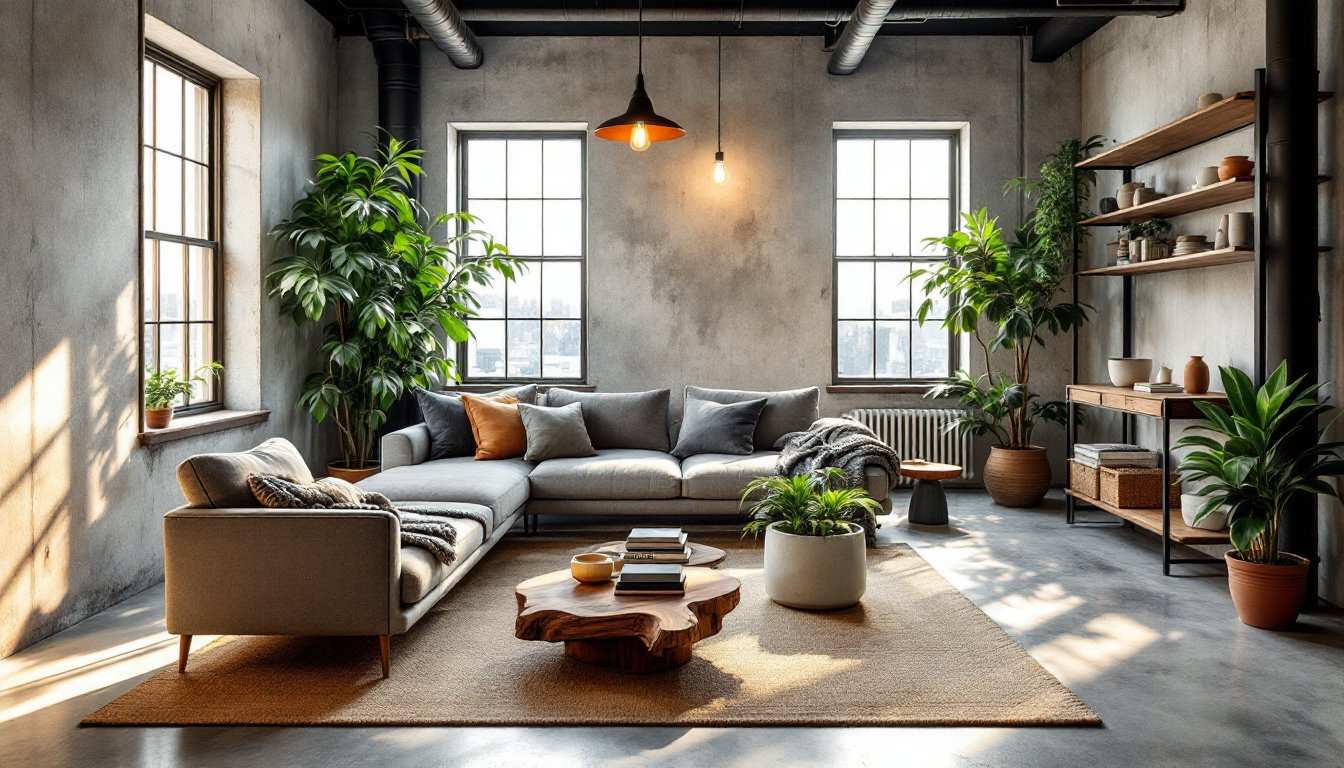
Organic brutalism is having a moment, and for good reason. This design approach strips away excess, embraces raw materials, and celebrates imperfection in a way that feels both grounded and deeply human. Unlike cold, purely industrial brutalism, the organic variant weaves natural textures, warm wood tones, and living plants into concrete, steel, and stone. It’s a movement that speaks to homeowners tired of sterile minimalism or over-designed spaces. If you’re ready to create a home that feels intentional, tactile, and genuinely alive, organic brutalism offers a blueprint that’s both achievable and endlessly rewarding. This guide walks you through the philosophy, materials, and practical steps to bring this striking aesthetic into your own rooms.
Key Takeaways
- Organic brutalism interior design blends raw, industrial materials like concrete and steel with natural textures, warm wood, and living plants to create intentional, human-centered spaces.
- Start implementing organic brutalism by assessing your home’s existing bones—exposed brick, concrete, beams, and original materials—before adding furniture or decor.
- Use deliberately muted, earthy color palettes of warm greys, taupes, and natural accent colors from nature, paired with warm-toned lighting at 2700K or warmer to maintain inviting warmth.
- Live plants are essential to organic brutalism; large specimens like Monstera and trailing pothos soften raw walls and echo the style’s commitment to natural authenticity.
- Raw finishes like limewash, mineral paint, and unsealed concrete develop patina over time, turning weathering and imperfections into celebrated design features rather than flaws.
- Organic brutalism works across all home areas by keeping materials and styling honest—natural fiber textiles, visible wood grain, and minimal decorative patterns let structure and texture tell the story.
What Is Organic Brutalism?
Organic brutalism blends two seemingly opposing aesthetics: the bold, unpolished geometry of brutalist architecture with the warmth and softness of natural materials. Think exposed concrete walls paired with thick wood beams, live-edge shelving, and abundant greenery. It’s brutalism with a pulse.
Traditional brutalism emerged in the 1960s and 70s as an architectural rebellion, massive, fortress-like structures of raw concrete that challenged notions of beauty. Organic brutalism takes that raw honesty but tempers it with natural elements: plant-based dyes, handmade ceramics, untreated wood, and stone.
The result is a space that feels intentional without being precious. It celebrates marks, grain, and weathering rather than hiding them. A concrete wall isn’t something to cover: it’s a backdrop. Rough-hewn wood isn’t a mistake: it’s a feature. This philosophy appeals to homeowners seeking authenticity, spaces that tell stories rather than follow trends. Designers at Architectural Digest have featured organic brutalism homes that prove the style works at any budget level, from urban lofts to countryside cottages.
Core Design Principles and Materials
Natural Textures and Raw Finishes
The foundation of organic brutalism is material authenticity. Homeowners should seek out raw, unfinished surfaces wherever possible. Exposed brick, untreated concrete (sealed for durability but not painted over), and bare wood joists are all workhorses of the style. When selecting wood, choose species with prominent grain and color variation, walnut, ash, or reclaimed barn wood show character in a way that perfectly-sanded oak simply doesn’t.
Concrete need not stay grey. A clear matte sealer protects while letting the material age naturally, developing patina over time. For walls, consider leaving plaster unpainted in soft, earthy tones, or opt for limewash (a breathable, matte finish that ages beautifully). Stone features, whether a full accent wall or a fireplace surround, add weight and timelessness.
Textile choices matter too. Linen, jute, and chunky wool introduce tactile warmth. Think unbleached canvas, undyed rope, and hand-loomed rugs with visible weave patterns. These materials feel honest next to industrial backdrops.
Color Palettes and Lighting
Organic brutalism thrives on a deliberately muted, earthy palette. Expect shades of warm grey, taupe, burnt sienna, deep charcoal, and warm blacks. Accent colors emerge from nature: sage green, terracotta, ochre, and deep forest tones. Bright, saturated colors feel out of place: instead, choose pigments that look like they came from soil or stone. Design Milk showcases contemporary furniture and spaces where subdued color creates calm without coldness.
Lighting is critical. Organic brutalism calls for layered, warm-toned fixtures. Industrial pendants with Edison-style bulbs work, but pair them with natural materials, wooden frames, brass details, or blackened steel. Floor and table lamps with linen shades soften ambient light. Large windows with minimal treatments let daylight flood raw surfaces, accentuating texture and shadow. Avoid cool white LEDs: aim for 2700K color temperature or warmer to keep the space feeling natural and inviting.
How to Implement Organic Brutalism in Your Home
Start with bones, not decor. Look at your walls, floors, and existing materials before adding furniture or plants. Do you have original brick? Leave it exposed. Concrete basement walls? Clean them and seal them, no drywall needed. Original wooden beams in the attic or garage? Relocate that aesthetic downstairs if possible, or use reclaimed beams as architectural features in key rooms.
For walls, your options include:
- Exposed brick or concrete: If hidden behind plaster, removal is straightforward (though dusty): hire help if structural concerns arise.
- Limewash or mineral paint: These breathable finishes highlight imperfections and age gracefully, perfect for organic brutalism.
- Concrete wallcovering: Commercial concrete cladding or DIY concrete overlay (poured and troweled) adds authenticity without structural work.
- Plaster finishes: Venetian plaster or tadelakt (polished lime plaster) provide subtle texture and patina potential.
Floors set the tone. Polished concrete, reclaimed wood, or large-format stone tiles all work. If budget is tight, stained concrete is cheaper than pouring fresh, and the variation becomes a feature rather than a flaw. Area rugs in natural fiber (jute, sisal, wool) warm concrete or tile without hiding it entirely.
Live plants are non-negotiable. They’re the “organic” in organic brutalism. Monstera, ZZ plants, and tall ficus trees fill vertical space against raw walls. Trailing pothos or string of hearts cascade from industrial metal shelving. Use concrete or terracotta planters to echo the raw material theme. A project homeowner might also study the 1990s Interior Design Trends page to understand how minimalist, raw approaches have evolved, that era helped pioneer the shift away from ornament toward material honesty.
Styling Tips for Different Rooms
Living Rooms and Open Spaces
Exposed ceilings with visible ductwork, beams, or joists become focal points rather than eyesores. Paint ductwork matte black to unify it. A concrete accent wall behind a low-slung sofa frames seating without overwhelming the room. Layer lighting: pendant fixtures over a coffee table, a floor lamp tucked into a corner, candlelight on shelves. Seating should combine comfort and materiality, think leather, chunky knit throws, and hardwood frames. Keep the color family tight: greys, blacks, warm taupes, and green accents only.
Kitchens and Dining
Exposed stone or concrete countertops make powerful statements. Stainless steel or blackened steel fixtures feel at home alongside raw materials. Open shelving (wood or metal brackets) displays ceramics, glassware, and cookbooks. A large wooden dining table with visible grain anchors the space. Avoid painted cabinetry: natural wood or open frame designs keep the style honest. Pendant lighting with industrial details (Edison bulbs, metal shades) hangs above island or table seating.
Bedrooms and Bathrooms
Organic brutalism in bedrooms emphasizes rest through calm materials. Concrete or plaster walls create a cocoon-like effect. Natural fiber bedding (linen, cotton, wool) layers warmth. A wood platform bed or reclaimed headboard grounds the room. In bathrooms, concrete or polished plaster walls paired with natural stone (slate, granite) create spa-like calm. Blackened metal fixtures and ceramic or wooden accessories echo the palette. Avoid fussy patterns: solid, natural textures do the work.
The Pirelli Building renovation in New Haven demonstrates how brutalist architecture can be renovated into inviting, livable spaces while respecting original design intent. That project shows residential application at scale.
Conclusion
Organic brutalism isn’t a quick decorating fix, it’s a commitment to authenticity and material honesty. Start by auditing what you already have: exposed structure, original materials, solid bones. Work with those rather than against them. Layer in natural textures, keep the palette earthy and restrained, and let plants breathe life into raw surfaces. The beauty of this approach is that it improves with age: patina becomes a feature, not a flaw. Your home becomes a living, breathing reflection of how you actually inhabit it.